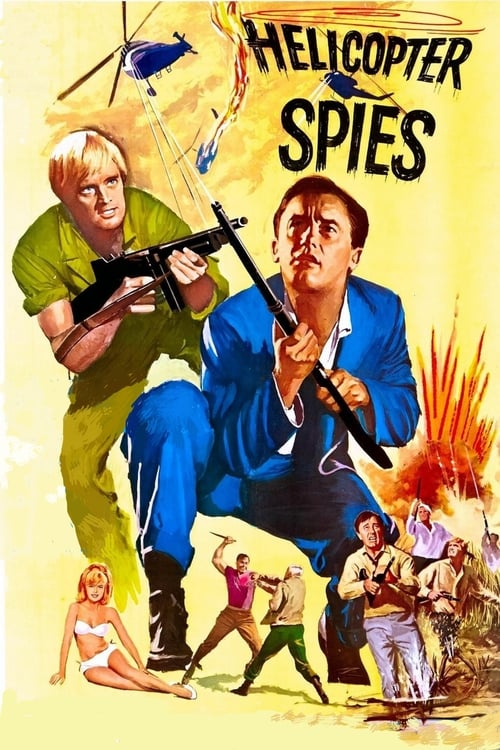
The Helicopter Spies
1968
No user ratings available yet
Representation score: 1.8 out of 10
Representation Score
Limited
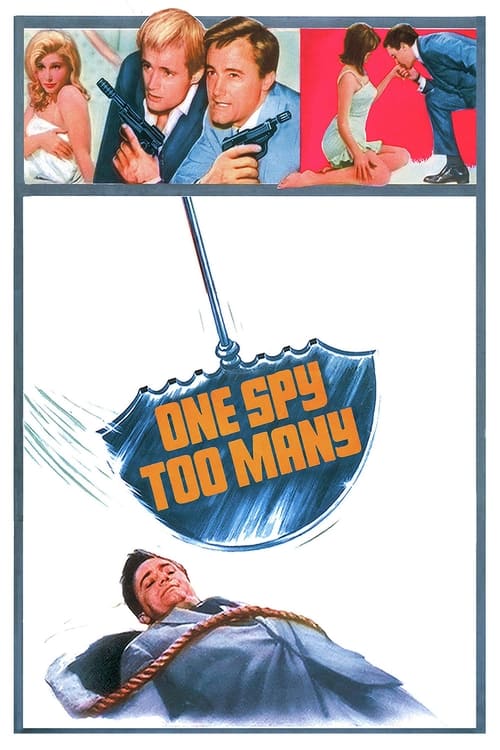
1966
NRDirector
Joseph Sargent
Runtime
102 minutes
Average Rating
No ratings yetNew Showbiz Analysis
One Spy Too Many is a quintessential product of mid-century studio filmmaking. It relies on established genre clichés and social hierarchies common to 1960s adventure cinema, prioritizing conventional character archetypes over social deconstruction. The film's structure reinforces traditional power dynamics by centering the plot on male protagonists and Western institutional competence, upholding the status quo and adhering to the era's standard social norms. Ultimately, the work lacks the breadth of representation expected in modern cinema, functioning as a standard espionage adventure that reflects the limited cultural perspectives of its time.
Category Breakdown
The film operates within a strictly straight-centered framework, focusing on traditional masculine camaraderie and excluding non-assuming gender matches what was assigned at birth identities or same-sex intimacy.
Narrative ability to act is almost exclusively reserved for the male leads, while women appear in supporting roles without driving the central geopolitical conflict.
The story maintains a Western-centric worldview typical of 1966 espionage films, lacking significant multi-layered depth or a diverse cast.
The plot reinforces the necessity of established Western institutions and authority, preserving the status quo without critiquing global power structures.
There is no discernible mention or depiction of characters with visible or invisible disabilities within the narrative.
Present on Screen
Limited or Absent
Official Synopsis
The men from U.N.C.L.E." are back! This time Robert Vaughn and David McCallum must stop the megalomaniac Alexander from committing the world's greatest crimes.
1968
1964
1974
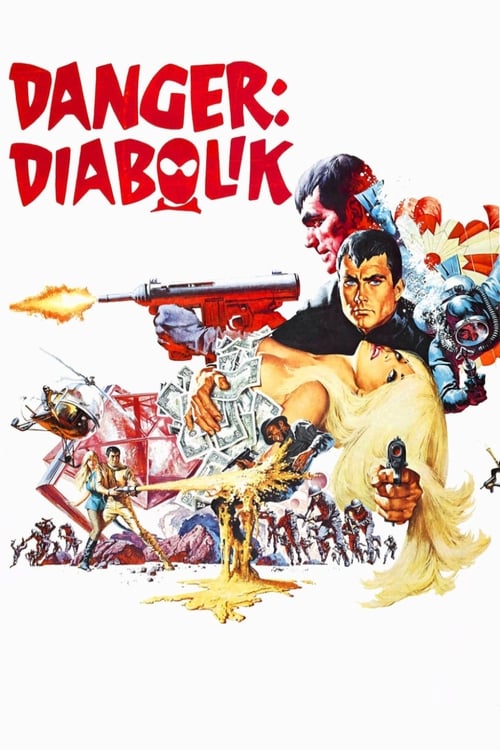
1968
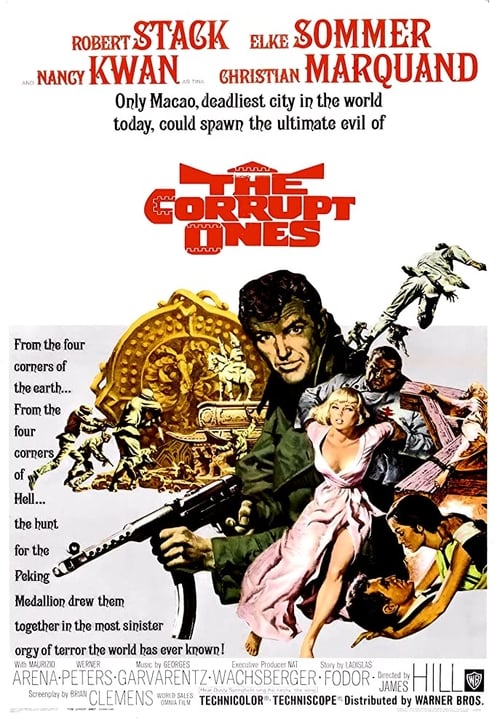
1967
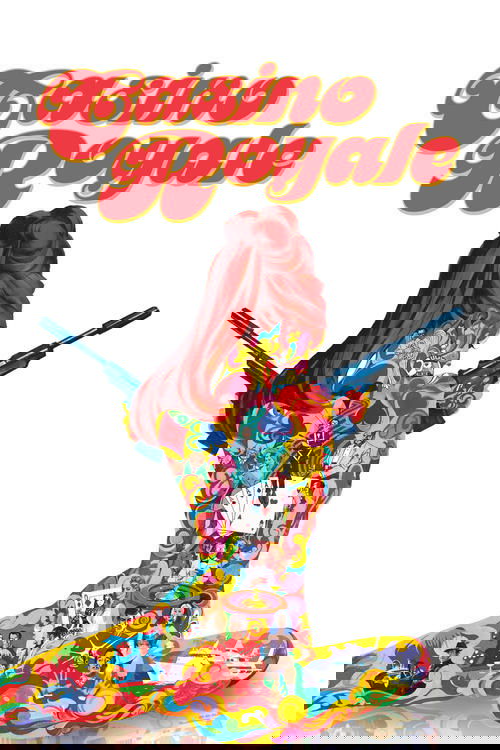
1967
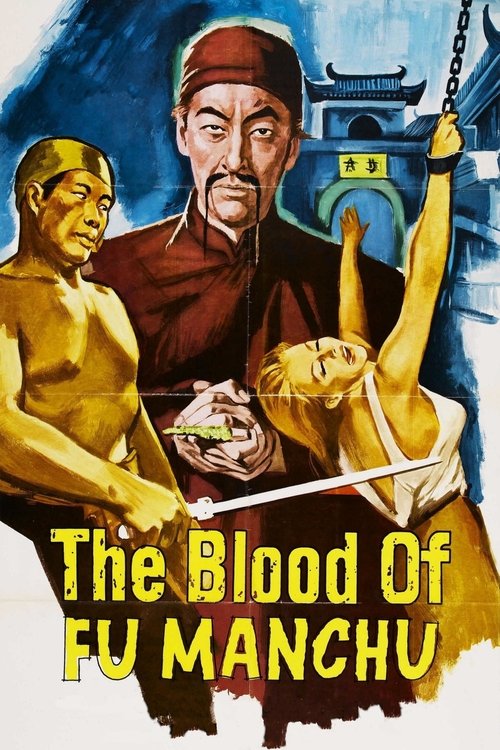
1968

1950
No reviews yet. Be the first to share your thoughts on this movie!
Use the rating form above to leave a star rating and optional review.