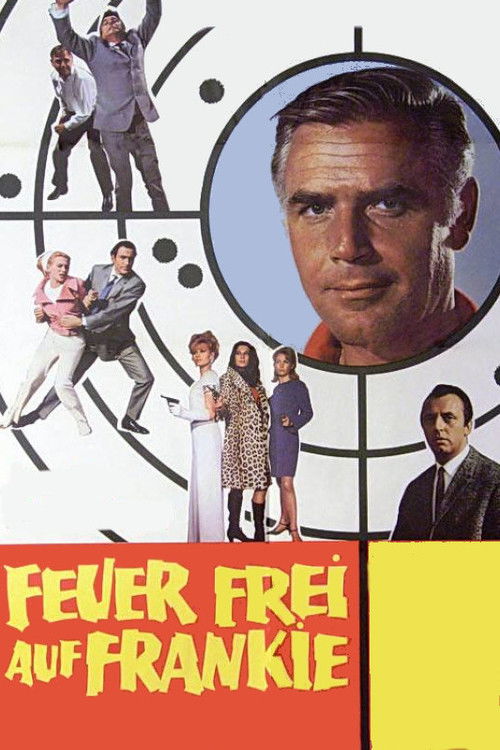
Target Frankie
1967
No user ratings available yet
Representation score: 1.9 out of 10
Representation Score
Limited
1967
NRDirector
Lindsay Shonteff
Runtime
80 minutes
Average Rating
No ratings yetNew Showbiz Analysis
The film presents a striking contrast between its racial homogeneity and its gendered subversion. While the cast remains strictly Eurocentric, the narrative structure actively challenges patriarchal leadership models by centering a female antagonist with global political influence. This subversion is framed through the lens of 1960s exploitation cinema. The film uses heightened archetypes to disrupt traditional power structures, even if it remains tied to the social limitations of its era. Ultimately, the work functions as a study in selective subversion, offering meaningful gendered ability to act while failing to engage with racial or LGBTQ+ the way different parts of someone's identity overlap.
Category Breakdown
The film does not include explicit LGBTQ+ identities or same-sex romantic relationships. It follows the straight-centered assumptions typical of 1960s spy films, focusing on traditional heterosexual relationships.
Sumuru challenges traditional hierarchies by commanding an all-female paramilitary force. While using femme fatale archetypes, the film centers female intellect and tactical dominance in its global conspiracy.
The cast is predominantly white and Eurocentric, reflecting the standards of 1960s European exploitation cinema. There is no intentional racial blending or inclusion of non-Anglo-Saxon perspectives.
The narrative operates through moral relativism and secular espionage. Sumuru’s goal to replace male-dominated structures offers a critique of global power, though it is framed as a criminal enterprise.
There are no discernible depictions of physical or neurodivergent disabilities. Characters are presented through the lens of idealized physical capability required by the action genre.
Present on Screen
Limited or Absent
Official Synopsis
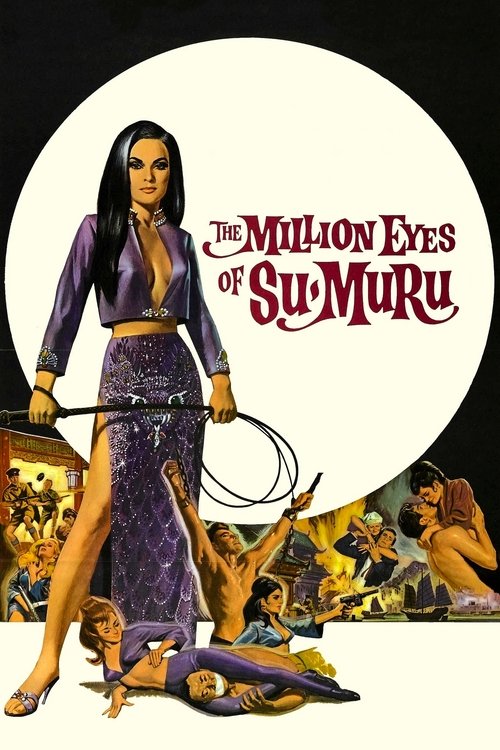
Sumuru is a beautiful but evil woman who plans world domination by having her sexy all-female army eliminate male leaders and replace them with her female agents.
1967
1969
1968

1984
1976

1977

1984
1952
No reviews yet. Be the first to share your thoughts on this movie!
Use the rating form above to leave a star rating and optional review.