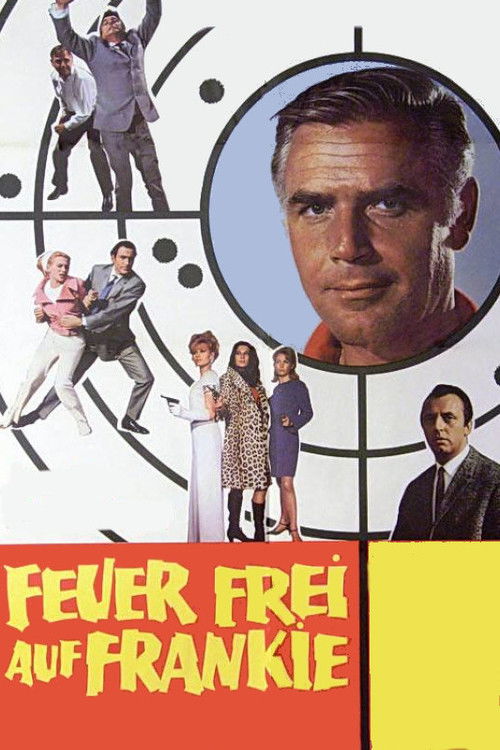
Target Frankie
1967
No user ratings available yet
Representation score: 1.9 out of 10
Representation Score
Limited
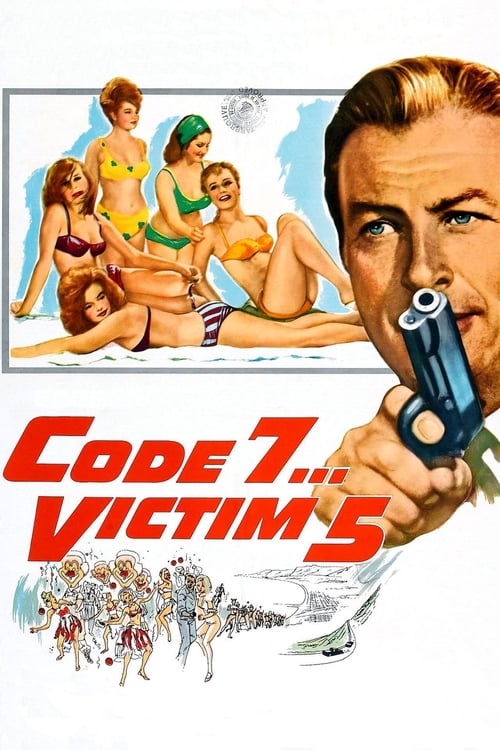
1964
Not RatedDirector
Robert Lynn
Runtime
88 minutes
Average Rating
No ratings yetNew Showbiz Analysis
Victim Five is a conventional mid-century crime thriller that adheres strictly to the genre clichés of its time. The narrative structure emphasizes patriarchal authority and traditional social structures, focusing on a male-led investigation within a wealthy estate. The film lacks intentionality in disrupting social norms. Instead, it reinforces the status quo through its character dynamics and focus on individualistic justice and property protection. While the South African setting provides a unique backdrop, the film does not appear to leverage this for significant racial or cultural subversion, remaining within the homogeneous casting patterns common to 1960s detective stories.
Category Breakdown
The film follows a traditional framework that assumes everyone is straight and cisgender. There is no indication of diverse gender identities or same-sex relationships.
The story centers around male leadership, particularly the private investigator and the head of the household. Female characters primarily occupy supporting roles within the domestic environment.
Set in Cape Town, the film uses a South African setting. However, it lacks characters of color who have significant influence or depth beyond their geographical location.
The narrative prioritizes traditional social structures and the protection of wealth. It adheres to conventional mid-century values regarding family stability and the status quo.
There is no apparent portrayal of physical or neurodivergent disabilities in this work.
Present on Screen
Limited or Absent
Official Synopsis
The first victim is the butler of South African millionaire Wexler, who hires hard-hitting private eye Steve Martin for protection. Once at Wexler’s palatial Cape Town estate, Martin meets the patriarch’s family, close associates – and possible suspects. When it’s discovered that the key to the killing may lie in an old war photograph, Martin sets out on a mission to unravel the identities of the men in the picture before they become target two through VICTIM 5.
1967
1946
1952
1975
1967
1947
1939
1948
No reviews yet. Be the first to share your thoughts on this movie!
Use the rating form above to leave a star rating and optional review.