
Unconfessions
2018
No user ratings available yet
Representation score: 4.7 out of 10
Representation Score
Good
2007
Director
Morgan Dews
Runtime
73 minutes
Average Rating
No ratings yetNew Showbiz Analysis
Morgan Dews' documentary is a nuanced critique of mid-century social norms. It excels in examining gendered power dynamics and dismantling traditional family structures through the use of personal, subversive archives. The film's strength lies in its deep exploration of feminism and mental health. By focusing on a woman's secret history, it provides a platform for reclaiming control against patriarchal constraints. However, the work lacks demographic diversity. The focus on a specific, likely homogeneous family lineage results in minimal racial and ethnic diversity, limiting its broader social impact.
Category Breakdown
The film hints at themes of nonconformity and challenges traditional expectations, though it doesn't explicitly show LGBTQ identities. It explores deviations from straight relationships and conventional gender roles.
The movie examines the power dynamics between men and women in the 1960s through a feminist perspective. It highlights a woman's journey to regain control over her life by secretly recording conversations to challenge traditional gender roles.
The story focuses on a particular family in Hartford, Connecticut. There is no indication of a diverse cast, suggesting a likely homogeneous setting.
The film questions the idealized portrayal of the nuclear family by focusing on trauma and systemic issues. It emphasizes individual experiences and personal freedom over traditional religious teachings.
Mental health and neurodivergence are key themes, involving psychiatric hospitals and patients. The film treats psychiatric history as a fundamental part of the family's identity.
Present on Screen
Limited or Absent
Official Synopsis
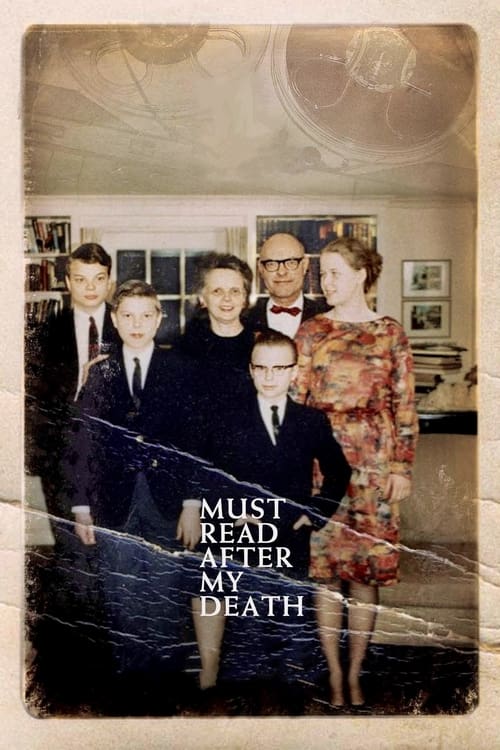
A grandmother dies and leaves behind hours of secret film and audio recordings as well as an envelope with the words “Must read after my death,” which reveal a dark history for her family to discover.
2018
1978
2021

2011
2019

2015

1998

2020
No reviews yet. Be the first to share your thoughts on this movie!
Use the rating form above to leave a star rating and optional review.