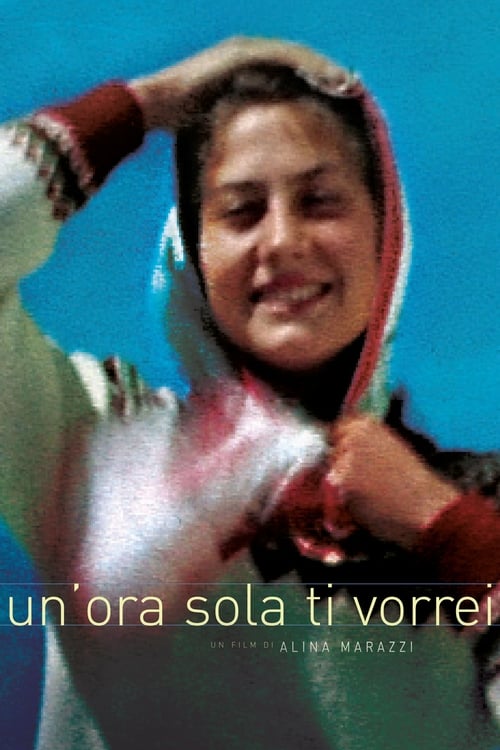
For One More Hour with You
2005
No user ratings available yet
Representation score: 8.4 out of 10

Representation Score
Good
2007
Director
Helena Třeštíková
Runtime
82 minutes
Average Rating
No ratings yetNew Showbiz Analysis
Marcela is a deep study of a single life, using observational cinema to explore the relationship between the individual and the institution. It focuses on a woman's psychological resilience and her navigation of grief and systemic control. While the film lacks diversity in racial and LGBTQ+ representation, its strong portrayal of disability and its critique of institutional authority offer significant progressive value. It avoids sensationalism, opting to document the everyday reality of state-managed care.
Category Breakdown
The film does not include explicit LGBTQ+ narratives or characters with non-cisgender identities. Instead, it focuses on mental health and personal freedom.
The story centers around a female protagonist's struggle for dignity, moving away from typical domestic clichés to show her experiences within a system that limits her autonomy.
The film features a predominantly homogeneous cast within a specific Czech context. It does not use diverse casting to critique Western or Anglo-centric norms.
The film examines institutional power by documenting life in state-run care facilities. It looks at how social structures affect and limit individual freedom.
The film offers a respectful portrayal of disability, avoiding inspirational stories. It highlights the personhood and lived reality of the subject, giving her a strong role in the narrative.
Present on Screen
Limited or Absent
Official Synopsis
The life of Marcela, an ordinary Czech woman is explored throughout several decades of her life. We are engaged to struggle and fight back with Marcela as her tragic life unfolds before our eyes especially when dealing with her daughter’s unexpected death, which almost drives her to suicide. The film was initially part of a series about the fate of six married couples, but the events that happened throughout Marcela’s life were the reason why the director decided to focus solely on a documentary about her.
2005
1978
2008
2023
2010

2011
2004
2015
No reviews yet. Be the first to share your thoughts on this movie!
Use the rating form above to leave a star rating and optional review.