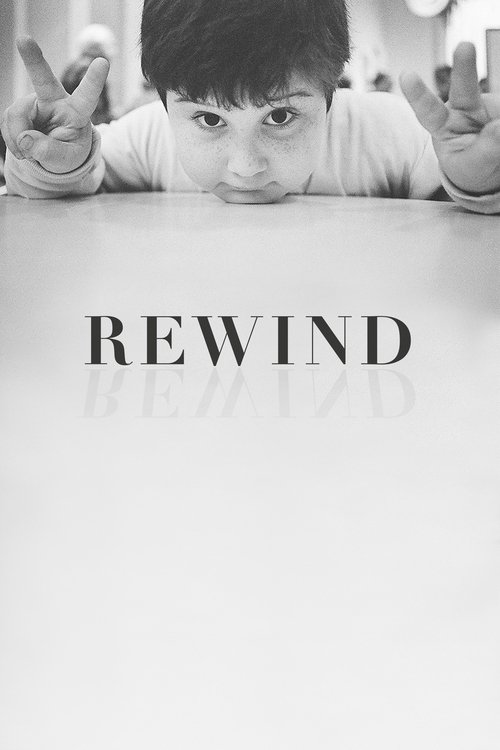
Rewind
2019
No user ratings available yet
Representation score: 6.5 out of 10

Representation Score
Good
2023
TV-MADirector
Amanda Mustard, Rachel Beth Anderson
Runtime
112 minutes
Average Rating
No ratings yetNew Showbiz Analysis
Great Photo, Lovely Life is a sophisticated deconstruction of the traditional family unit. Through the lens of photojournalism, the film shifts focus from the patriarchal provider to the systemic failures of community and familial structures. The documentary succeeds in challenging the idealized portrayal of the Western family. It replaces domestic sanctity with a nuanced, critical examination of power dynamics and historical secrecy. While the film excels in gender ability to act and cultural critique, it lacks specific information regarding racial diversity and explicit LGBTQ+ representation.
Category Breakdown
The film does not explicitly address LGBTQ+ identities or non-straight relationships. While the themes of dismantling family hierarchies can relate to queer theory, there are no confirmed representations of LGBTQ+ individuals.
The narrative centers around a female photojournalist who challenges patriarchal hierarchies through her work. Her intellectual role exposes the flaws of the male-dominated system, subverting traditional gender roles.
No specific details are given about the racial or ethnic makeup of the subjects. Without verifiable data, the diversity of the community cannot be assessed.
The film critiques traditional Western institutions by portraying the family unit as a source of trauma rather than moral stability. It emphasizes the breakdown of historical domestic norms.
The documentary explores invisible disabilities, particularly mental health issues and the psychological impact of intergenerational trauma. Subjects navigate these challenges with ability to act rather than being portrayed as objects of pity.
Present on Screen
Limited or Absent
Official Synopsis
A photojournalist turns her lens on the decades of sexual abuse her family and community experienced at the hands of her grandfather in this unflinching portrait of intergenerational trauma, family secrets, and redemption.
2019
2020
2024
2023

2021
2022

2010

2015
No reviews yet. Be the first to share your thoughts on this movie!
Use the rating form above to leave a star rating and optional review.