
I Shot Jesse James
1949
No user ratings available yet
Representation score: 0.9 out of 10
Representation Score
Minimal
1959
ApprovedDirector
Ted Post
Runtime
79 minutes
Average Rating
No ratings yetNew Showbiz Analysis
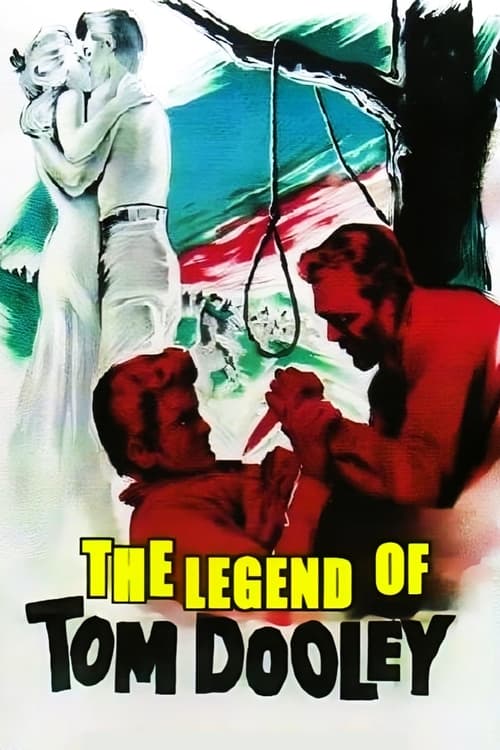
The film opens on sun-drenched North Carolina mountains, establishing a pastoral isolation that frames the ensuing tragedy as inevitable fate rather than social choice. Ted Post’s 1959 adaptation of the folk ballad sells a moral fable where traditional hierarchies—male honor, state law, and heterosexual marriage—are the unmarked, neutral forces that crush individual desire. Michael Landon’s Tom Dooley is the camera’s favorite: clean-cut, competent, and charming, his infidelity framed as a tragic necessity rather than a moral failing. Jo Morrow’s Laura Foster is the sympathetic prize, her death in Tom’s arms serving as the final proof of his virtue and the cost of his passion. The sold meaning is clear: the system works, but it is indifferent. Tom’s execution restores order, not because the law is just, but because it is inevitable. Charlie Grayson, the betrayed husband, is treated with respect, his violence framed as a logical reaction to Tom’s superior charm. The film’s internal logic pulls apart when it asks the audience to mourn Tom’s death while accepting the legal and social structures that caused it. The last image—Tom swinging from the noose—is not a critique of the state but a hymn to its power. The individual pays the price; the system remains intact. This is a traditionalist picture where love is a force stronger than duty, but duty ultimately wins.
Category Breakdown
Absent. The narrative relies entirely on heterosexual courtship and marriage as the primary drivers of conflict and resolution. No same-sex intimacy, queer characters, or non-heteronormative dynamics appear on screen.
Laura Foster is the passive prize whose romantic choices trigger the male violence, dying in the hero’s arms to seal his martyrdom. Tom Dooley is the competent, charming center, while Charlie Grayson is the reactive, possessive antagonist whose honor is wounded by infidelity. Women are objects of desire and victims of circumstance, never agents of the plot’s resolution.
Absent. The cast is entirely white, reflecting the 1959 rural American setting. No racial dynamics, tensions, or non-white characters are depicted or discussed.
The film treats the post-Civil War legal system and male honor codes as immutable forces that crush individual desire. Tom Dooley’s execution restores social order, validating state authority and traditional gender roles over personal passion. The rural community and its laws are presented as the neutral, inevitable backdrop against which tragedy unfolds.
Absent. No characters display physical, mental, or sensory impairments. Disability is not a plot element, thematic concern, or visual motif in this installment.
Present on Screen
Limited or Absent
Official Synopsis
Tom Dooley and Country Boy are on the run after killing an enemy soldier not knowing the war is over. The Command refuses to give them some slack for making this tragic but honest mistake and sends a lawman after them.
1949
1972

1955
1958
1958
1943
1932
1959
No reviews yet. Be the first to share your thoughts on this movie!
Use the rating form above to leave a star rating and optional review.