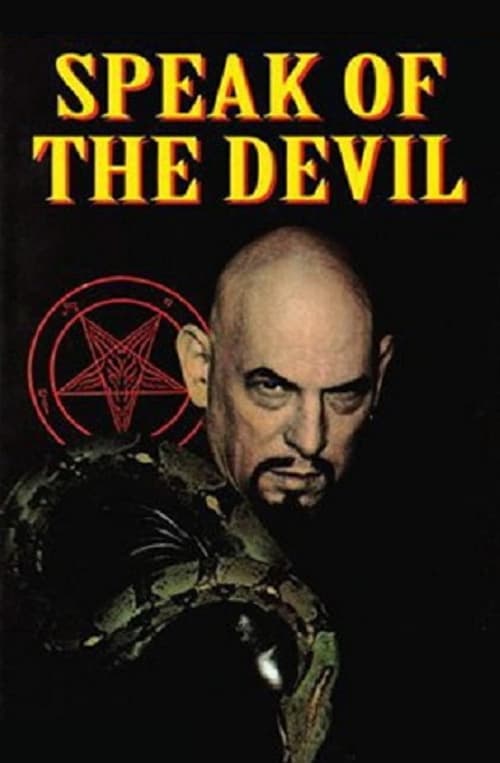
Speak of the Devil
1995
No user ratings available yet
Representation score: 4.7 out of 10
Representation Score
Limited
1988
TV-MADirector
James Robert
Runtime
90 minutes
Average Rating
No ratings yetNew Showbiz Analysis
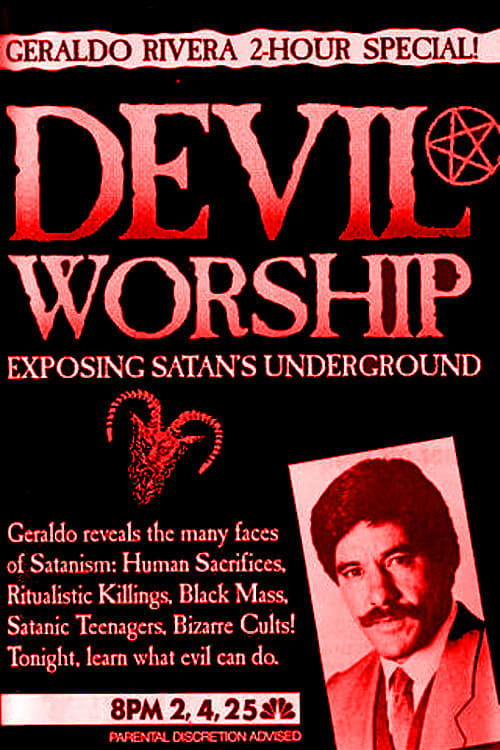
This documentary serves as a cultural artifact of the 1980s Satanic Panic, functioning primarily to uphold established social hierarchies. The narrative is built around preserving the status quo and reinforcing the authority of Judeo-Christian institutions. By framing any deviation from traditional norms as a systemic threat, the film excludes multi-layered complexity. It relies on a binary worldview that positions conventional domestic and religious structures as the only bastions of stability. Ultimately, the work lacks real power for underrepresented groups, instead using them as subtextual examples of deviance. It prioritizes the preservation of Western social contracts over diverse or nuanced human experiences.
Category Breakdown
The film lacks meaningful depictions of LGBTQ+ identities. Instead, it frames non-traditional lifestyles through a lens of moral absolutism, suggesting non-normative identities are synonymous with the underground threat.
Gender representation reinforces traditional hierarchies by centering the protection of the nuclear family. There is no evidence of challenging traditional gender roles or portraying masculinity and femininity in a nuanced light.
The documentary prioritizes a homogeneous perspective by focusing on institutional figures like law enforcement and religious leaders. It lacks significant diverse casting to challenge power dynamics.
The narrative acts as a defense of traditional Western institutions and Christian morality. It utilizes a binary framework of good versus evil, framing perceived cults as a criminal threat to society.
There is no discernible focus on disability representation. Psychological instability is framed strictly through the context of cult influence rather than as a nuanced exploration of neurodiversity.
Present on Screen
Limited or Absent
Official Synopsis
Geraldo Rivera investigates allegations of a widespread Satanic underground in the United States.
1995
2016
1970
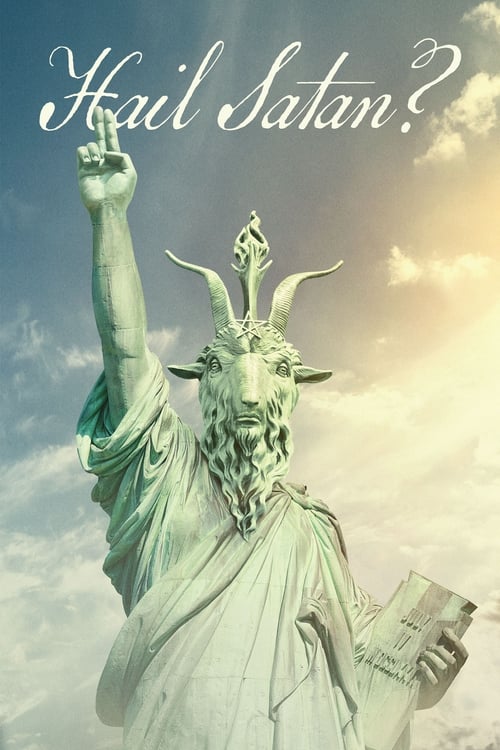
2019

2004
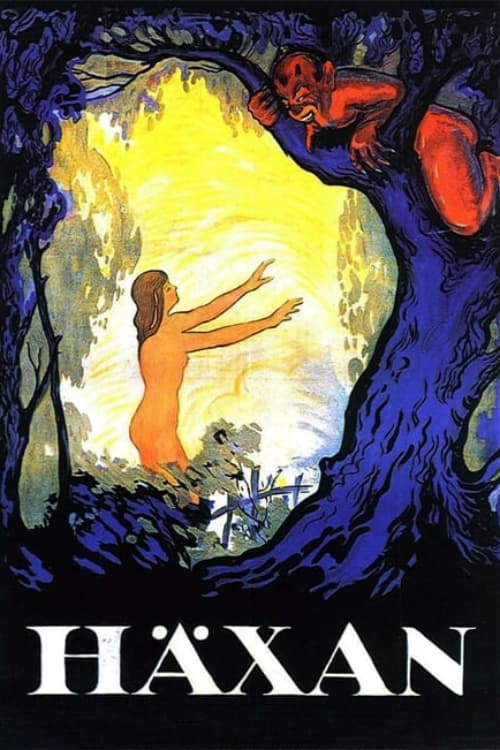
1922
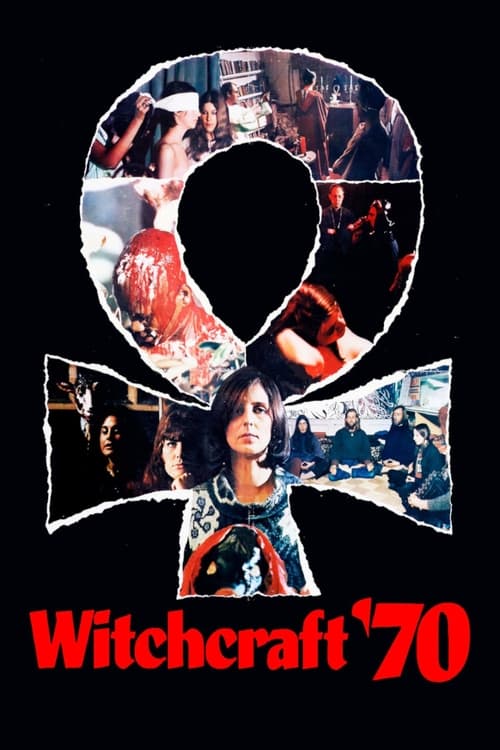
1969

2006
No reviews yet. Be the first to share your thoughts on this movie!
Use the rating form above to leave a star rating and optional review.