Elmer's Pet Rabbit
1941
No user ratings available yet
Representation score: 0.4 out of 10
Representation Score
Minimal
1947
NRDirector
Chuck Jones
Runtime
7 minutes
Average Rating
No ratings yetNew Showbiz Analysis
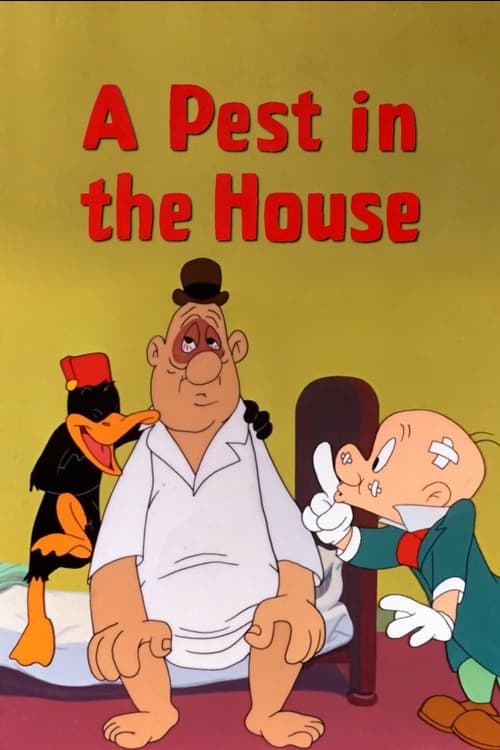
A Pest in the House is a straightforward comedic short that adheres to the social and narrative conventions of 1947. The plot centers on a tired businessman and a service-oriented hotel environment, using established cartoon archetypes rather than diverse character studies. The film lacks depth in representing multiple aspects of identity, such as LGBTQ+ identities, diverse racial backgrounds, or female empowerment. It primarily reflects the traditional social hierarchies of its time without challenging them.
Category Breakdown
The film does not include any characters with LGBTQ+ identities or critique the assumption that everyone is straight or cisgender.
The story revolves around a businessman and Elmer Fudd, both of whom embody traditional masculine roles. There is no depiction of female empowerment or challenges to gender hierarchies.
The setting includes a typical hotel environment with well-known cartoon characters. There is no indication of a predominantly non-white cast or diverse ethnic representation.
The narrative presents a traditional mid-century capitalist society. It adheres to conventional social structures without critiquing Western institutions.
No characters with visible or invisible disabilities are featured. There is no evidence of disability playing a central role in the narrative.
Present on Screen
Limited or Absent
Official Synopsis
A very tired businessman needs some sleep and checks into a hotel run by Elmer Fudd, where Daffy Duck is the bellhop.
1941
1954
1951
1940
1948

1949
1948

1940
No reviews yet. Be the first to share your thoughts on this movie!
Use the rating form above to leave a star rating and optional review.