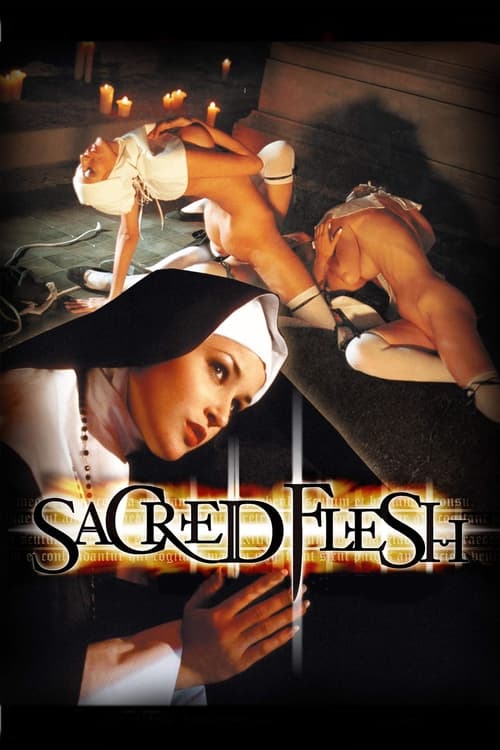
Sacred Flesh
2000
No user ratings available yet
Representation score: 6.8 out of 10
Representation Score
Fair
1989
Director
Nigel Wingrove
Runtime
20 minutes
Average Rating
No ratings yetNew Showbiz Analysis
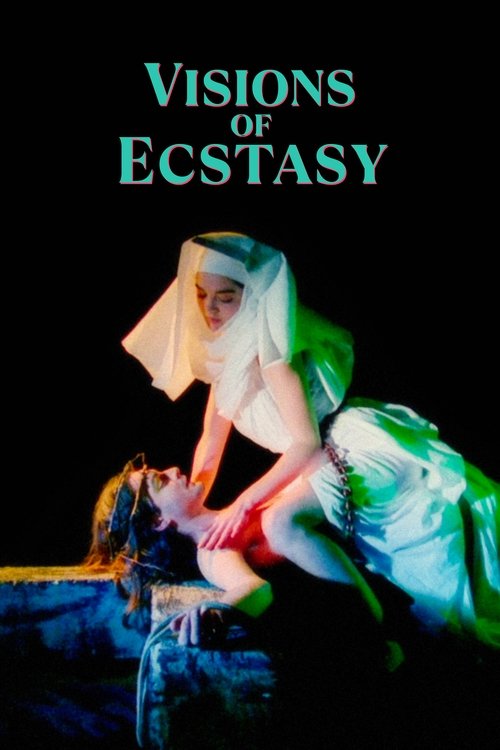
Visions of Ecstasy is a psychological thriller that uses religious imagery to explore the intersection of spirituality and eroticism. It challenges traditional boundaries between sacred devotion and carnal desire, disrupting conventional morality. The film centers a complex female protagonist whose internal desires drive the narrative. This shifts the focus away from traditional submissive religious roles towards a more nuanced, internal portrayal of womanhood. However, the historical setting limits the ability to evaluate racial or disability representation. While it critiques religious orthodoxy, its scope of social diversity is confined to its specific theological themes.
Category Breakdown
The film explores intimate connections between individuals of diverse sexual orientations by framing spiritual bonds through erotic fantasies. This approach challenges traditional views on desire and highlights the interplay between the divine and the physical.
St. Teresa is portrayed as a complex female character whose internal thoughts and desires significantly influence the plot. The film challenges traditional depictions of female piety by highlighting her transgressive desires rather than her submission to religious norms.
The 16th-century setting and specific historical focus provide insufficient information to assess the racial composition or ethnic diversity of the cast.
The film deconstructs Western religious institutions by depicting devotion as a site of psychological struggle intertwined with eroticism. It emphasizes subjective experiences over rigid institutional rules.
There is no evidence within the provided context to suggest the inclusion of characters with physical or neurodivergent disabilities.
Present on Screen
Limited or Absent
Official Synopsis
The 16th century Carmelite nun St. Teresa, surrounded by candles and crosses, fantasizes about making love to a crucified Christ and her own psyche.
2000
1967
1978
1980
2004
1971

1981
1999
No reviews yet. Be the first to share your thoughts on this movie!
Use the rating form above to leave a star rating and optional review.