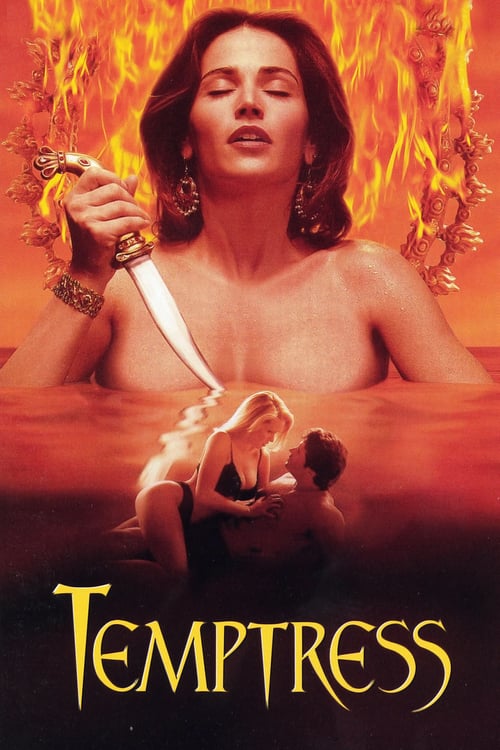
Temptress
1995
No user ratings available yet
Representation score: 2.2 out of 10
Representation Score
Limited
2016
RDirector
Marcel Walz
Runtime
96 minutes
Average Rating
No ratings yetNew Showbiz Analysis
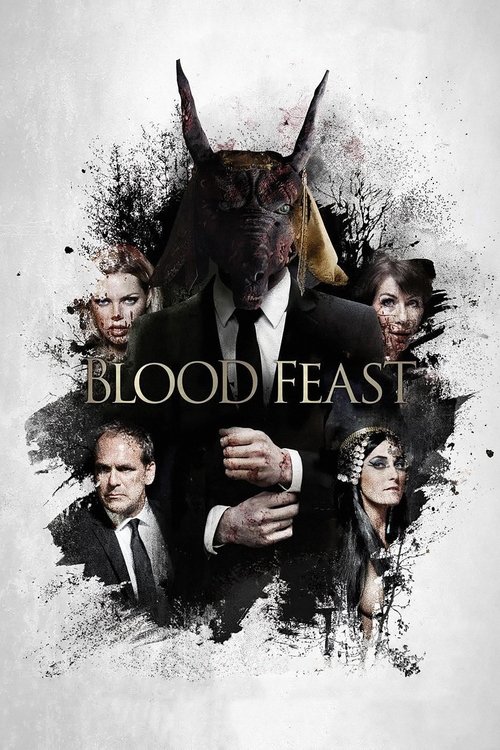
Blood Feast primarily functions as a genre-driven horror film. It deviates from typical Western slasher conventions by featuring a Middle Eastern protagonist and incorporating non-Western mythological themes. However, the film adheres to conventional storylines. It leans on archetypal power structures and mythological exoticism rather than intentional social commentary or layered diversity. Ultimately, the narrative emphasizes atmospheric fear and psychological obsession over disrupting traditional social hierarchies or representing underrepresented identities.
Category Breakdown
The film does not feature any identifiable LGBTQ+ characters or stories. Relationships follow traditional storylines without highlighting queer experiences.
Women in the film often appear as objects of desire or targets of danger. The goddess Ishtar embodies destructive power but serves as a mythological figure rather than a challenge to gender norms.
The story centers around a character of Middle Eastern heritage and includes elements of Egyptian mythology. This offers a non-Western perspective, but it does not deeply explore multiple layers of diversity.
The narrative uses ancient myths to create chaos. It steers away from a single Christian morality by focusing on pagan fatalism but does not critically examine cultural or religious systems.
The film does not depict any characters with visible or invisible disabilities. It does not address neurodivergence or physical disabilities as part of its main themes.
Present on Screen
Limited or Absent
Official Synopsis
Fuad Ramses and his family have moved from the United States to France, where they run a American diner. Since business is not going too well, Fuad also works night shifts in a museum of Egyptian culture. During these long lonely nights he is repeatedly drawn to a statue representing the seductive ancient goddess ISHTAR. He becomes more and more allured by the goddess as she speaks to him in visions. Eventually he succumbs to her deadly charms.
1995
1999
1970
2003

1997
2014
2010

1989
No reviews yet. Be the first to share your thoughts on this movie!
Use the rating form above to leave a star rating and optional review.