Anatomy
2000
No user ratings available yet
Representation score: 7.0 out of 10
Representation Score
Good
1996
RDirector
Alejandro Amenábar
Runtime
125 minutes
Average Rating
No ratings yetNew Showbiz Analysis
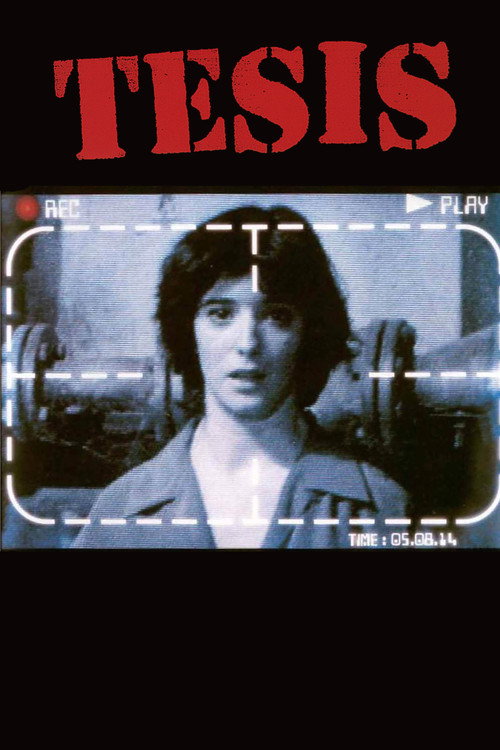
Tesis is a sophisticated psychological thriller that critiques the voyeuristic relationship between spectators and media violence. While the demographic profile remains largely traditional, the film's progressive value lies in its intellectual depth and its subversion of gendered clichés. The film stands out by positioning a female protagonist as an active investigator who dismantles a conspiracy through academic insight. This provides a nuanced alternative to the typical male-led detective archetype found in horror. However, the film lacks meaningful representation for LGBTQ+ individuals and people with disabilities. Its cultural impact is driven more by its systemic critique of media consumption than by its diverse casting.
Category Breakdown
The film doesn't prominently feature LGBTQ+ characters or stories focused on non-straight identities. It explores the psychological depth of the main characters without delving into same-sex relationships.
Ángela challenges horror clichés by being the primary intellectual force rather than a passive victim. The film uses a media studies perspective to critique the objectification of women.
The casting reflects a homogeneous demographic consistent with its Spanish academic setting. It avoids overt racial stereotypes, focusing on socioeconomic and intellectual distinctions.
The narrative critiques the commodification of human suffering within capitalist structures. It uses postmodern skepticism to deconstruct traditional morality through digital violence.
The film does not significantly represent visible or invisible disabilities. Character struggles are primarily psychological and intellectual, not centered on neurodivergence or physical disabilities.
Present on Screen
Limited or Absent
Official Synopsis
While working on a thesis about audiovisual violence, film student Ángela finds a snuff video where a girl is tortured until death. Soon she discovers that she was a former student in her university, and that the authors of the video are not very far either.
2000
1994
2005

2001
2016

2018
2000
2015
No reviews yet. Be the first to share your thoughts on this movie!
Use the rating form above to leave a star rating and optional review.