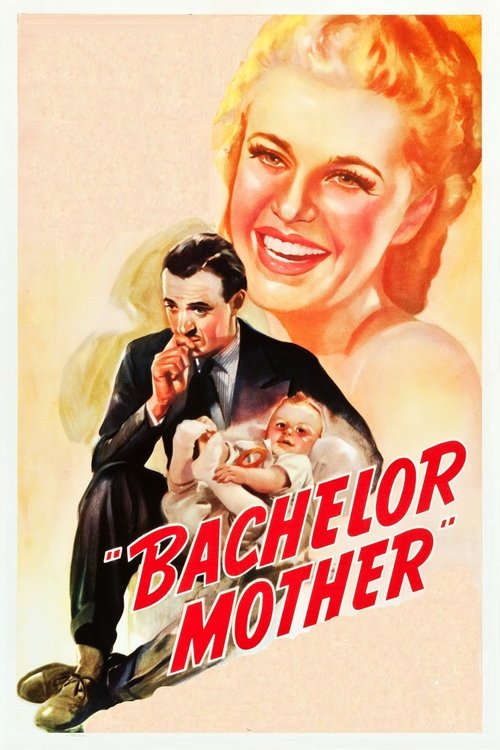
Bachelor Mother
1939
No user ratings available yet
Representation score: 2.5 out of 10
Representation Score
Minimal
1948
NRDirector
Norman Taurog
Runtime
98 minutes
Average Rating
No ratings yetNew Showbiz Analysis
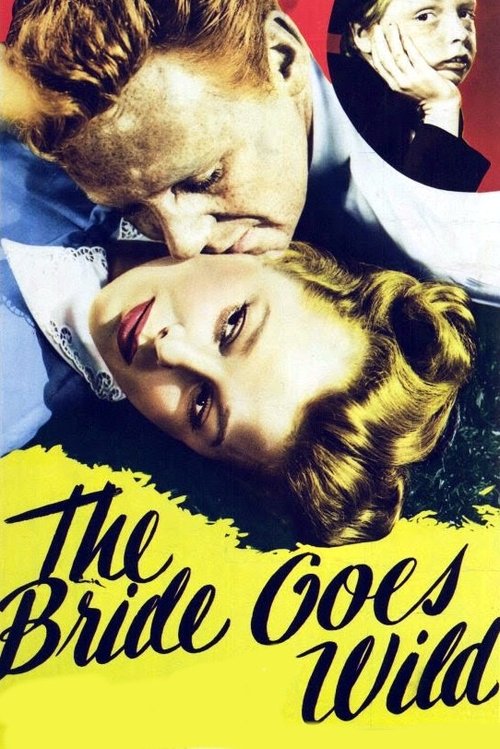
The Bride Goes Wild is a classic example of 1948 Hollywood entertainment, designed for light-hearted amusement. It upholds the social and cultural norms of its time without challenging them. Though the film introduces a female character who deviates slightly from the typical mid-century bride stereotype, it fails to provide deeper exploration of gender roles. The story lacks representation of racial, LGBTQ+, or disability issues. Overall, the film adheres to the era's predominantly white and traditional social norms, offering a conventional romantic comedy experience.
Category Breakdown
The film doesn't include any LGBTQ+ identities or hints at queer relationships. It focuses solely on traditional heterosexual relationships and marriage.
The female lead stands out slightly from typical mid-century stereotypes by showing social non-conformity. However, her role in the story is often limited to comedic situations within a romantic context.
The cast is predominantly white and lacks diversity. There are no characters of different races or ethnicities featured in the film.
The story follows traditional 1940s Western values, using marriage and social manners as a backdrop for humor without questioning them.
The film doesn't depict any visible or invisible disabilities. All characters are shown through the lens of able-bodied social comedy.
Present on Screen
Limited or Absent
Official Synopsis
McGrath publishes books for children and Uncle Bump is one of the best sellers. Unfortunately, Greg, who is Uncle Bump, tends to drink too much and has not started his next book. Martha won a contest to illustrate the book and the first thing that happens is that Greg gets her soused. To keep her there to illustrate, John gets a juvenile delinquent named Danny to play his son and show how much pressure he is under. The ploy works at first, but Greg's heart was broken by Tillie, and Martha may be the girl who makes him forget all about her.
1939
1948
1941
1958
1948
1944
1936
1940
No reviews yet. Be the first to share your thoughts on this movie!
Use the rating form above to leave a star rating and optional review.