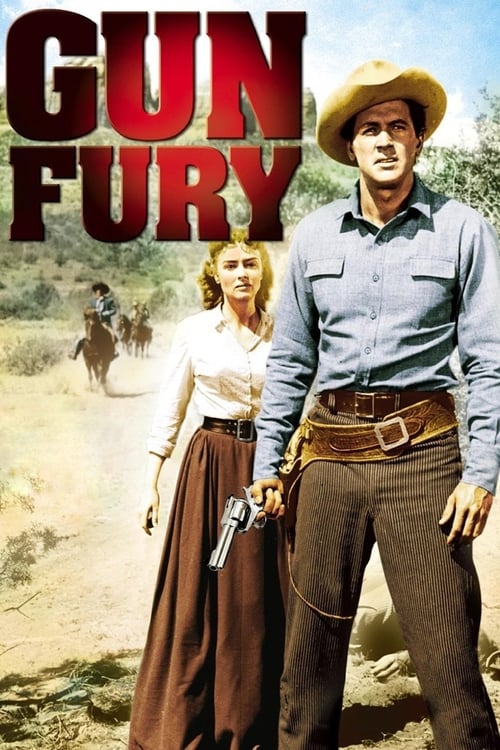
Gun Fury
1953
No user ratings available yet
Representation score: 0.5 out of 10

Representation Score
Minimal
1955
PG-13Director
Sidney Salkow
Runtime
83 minutes
Average Rating
No ratings yetNew Showbiz Analysis
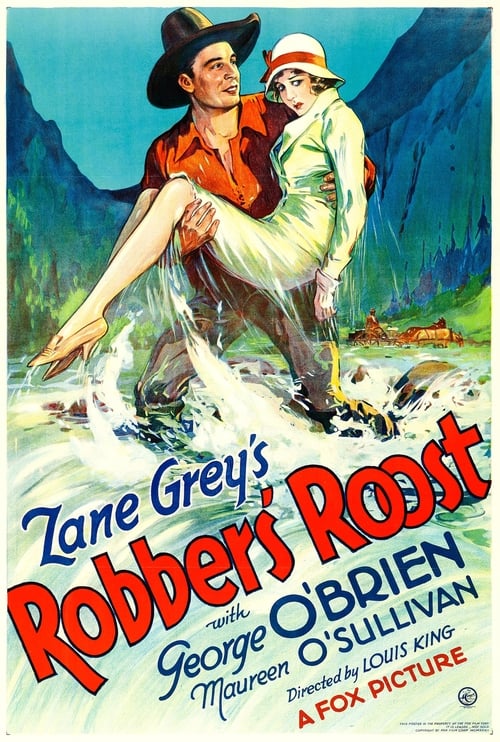
Robbers' Roost is a classic Western film that upholds the social norms of its time. The narrative centers on male-driven themes of revenge and cattle rustling, relegating women to secondary roles. The film maintains a homogeneous demographic, focusing on white settler narratives without significant racial diversity. Despite Bull Herrick's physical limitations, he plays a pivotal role in advancing the plot. Overall, the film adheres to traditional genre conventions without challenging multi-layered complexities.
Category Breakdown
The film does not include any LGBTQ+ identities or subtext. Relationships and rivalries are centered around traditional heterosexual dynamics.
Gender roles remain traditional, with women mostly taking reactive roles. Helen shows emotional strength, but the plot is driven by male motivations like revenge and territorial disputes.
The story focuses on a homogeneous Anglo-Saxon population. There is no significant racial diversity or representation of non-white individuals.
The story operates within traditional Western values emphasizing individualism and property rights. Conflicts are presented as local struggles rather than critiques of broader societal structures.
Bull Herrick, a key strategist, has a physical disability but still plays a crucial role in driving the plot forward.
Present on Screen
Limited or Absent
Official Synopsis
Jim "Tex" Wall, searching for the last of the three men who raped and killed his wife, joins a gang of cattle rustlers led by Hank Hays. Both Hays' outlaws and a rival gang headed by Heesman, have been hired as ranch hands by "Bull" Herrick, a cripple who owns a large cattle ranch and wants to get his large herd to market. He theorizes that the two gangs will be kept busy watching each other and neither will rustle his cattle. Helen has little faith in her brother's contrived plan, and hates and distrusts both groups. She begins to soften toward Jim, but abruptly changes when she sees a reward poster which says he has killed two men.
1953

1954
1956
1946
1932

1939
1952

1959
No reviews yet. Be the first to share your thoughts on this movie!
Use the rating form above to leave a star rating and optional review.