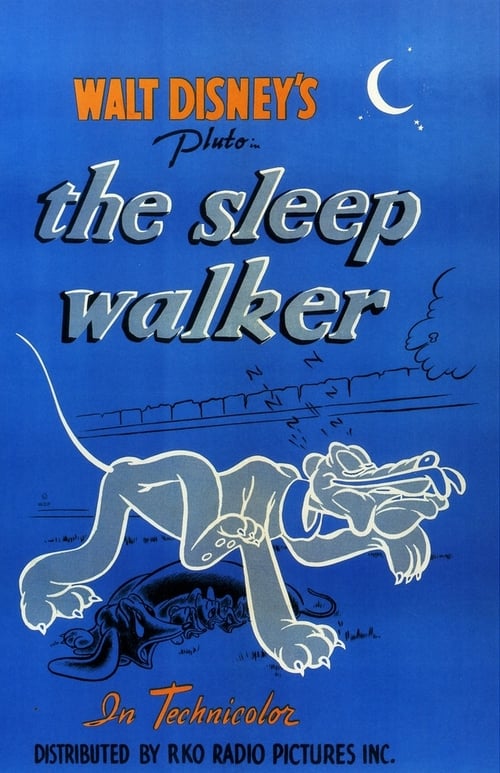
The Sleepwalker
1942
No user ratings available yet
Diversity score: 1.8 out of 10

1954
Director
Ivan Ivanov-Vano
Runtime
18 minutes
Average Rating
No ratings yetSynopsis
The story of a boy-pig, which does not like to wash, so all the things run away from him.
Overall Score
Limited
Category Breakdown
LGBTQ+ Representation
The film focuses on a moral fable regarding personal hygiene. There is no evidence of non-heteronormative identities or queer subtext within the narrative.
Gender Representation
The story centers on a young boy as the primary agent of the moral lesson. It adheres to mid-century tropes without subverting traditional gender roles.
Racial & Ethnic Diversity
The narrative reflects the homogeneous social environment of 1954 Soviet animation. It functions as a localized cultural fable rather than an intersectional story.
Religious & Cultural Diversity
The film promotes discipline and adherence to societal expectations of proper conduct. It reinforces traditional social structures and foundational civic virtues.
Disability Representation
The protagonist's hygiene struggles are treated as moral failings rather than functional differences. The characters serve to enforce behavioral compliance.
Strengths
Areas for Improvement
AI Analysis
Wash-'em-Clean is a traditionalist pedagogical work designed to uphold established social norms. Its primary purpose is to teach hygiene and social responsibility through a didactic moral lens. The film reflects the demographic and cultural norms of its 1954 Soviet production context. It lacks the diversity or subversion found in contemporary animation, focusing instead on a singular, localized cultural message. While the film avoids harmful hierarchies, it remains a conservative piece of storytelling. It prioritizes social cohesion and the reinforcement of civic virtues over representation or identity exploration.
1942
1969
1935
1933
1975
1953
1942
1945
1934
1947
1934
1945
No reviews yet. Be the first to share your thoughts on this movie!
Use the rating form above to leave a star rating and optional review.