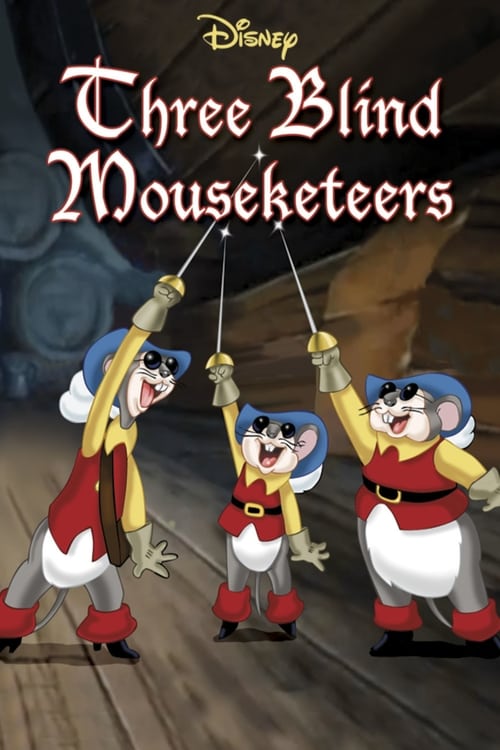
Three Blind Mouseketeers
1936
No user ratings available yet
Representation score: 1.4 out of 10
No Poster Available
Representation Score
Minimal
1935
ApprovedDirector
Walter Lantz, Victor McLeod
Runtime
9 minutes
Average Rating
No ratings yetNew Showbiz Analysis
Three Lazy Mice is a product of the 1935 animation era, prioritizing slapstick comedy and vaudevillian clichés over social commentary. The narrative relies on traditional archetypes, such as the 'trickster' and the 'king,' to drive its comedic pacing. The film's approach to diversity is minimal, focusing on a homogeneous group of animal characters. It lacks intentional characters who reflect more than one aspect of diversity or any attempt to deconstruct systemic social structures. Most notably, the film uses physical disability as a tool for deception. This reliance on disability as a punchline highlights the era's tendency to use impairment for simple comedic effect rather than meaningful characterization.
Category Breakdown
The film does not include any characters with LGBTQ+ identities or non-conforming gender roles. It follows a traditional anthropomorphic fable structure typical of the time.
The story focuses on three male mice who use deception to avoid work. There is a lack of diverse gender expressions or subversion of traditional masculine roles.
The narrative centers on a homogeneous group of anthropomorphic mice. There is no evidence of diverse casting or intentional ethnic metaphors.
The plot features a traditional hierarchy with a Mouse King. The themes revolve around laziness and deception rather than sophisticated cultural critique.
Disability is used as a comedic plot device when the mice pretend to be blind. This portrayal lacks nuance and meaningful characterization for characters with impairments.
Present on Screen
Limited or Absent
Official Synopsis
Three little mice don't want to work, so they go to the mouse king and pretend that they're three blind mice.
1936
1937
1978
1952
1939
1936

1935
1953
No reviews yet. Be the first to share your thoughts on this movie!
Use the rating form above to leave a star rating and optional review.