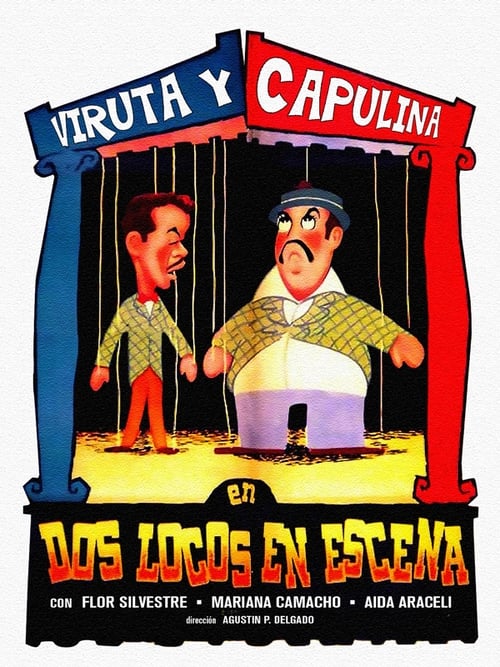
Dos locos en escena
1960
No user ratings available yet
Representation score: 1.9 out of 10
Representation Score
Limited
1967
Director
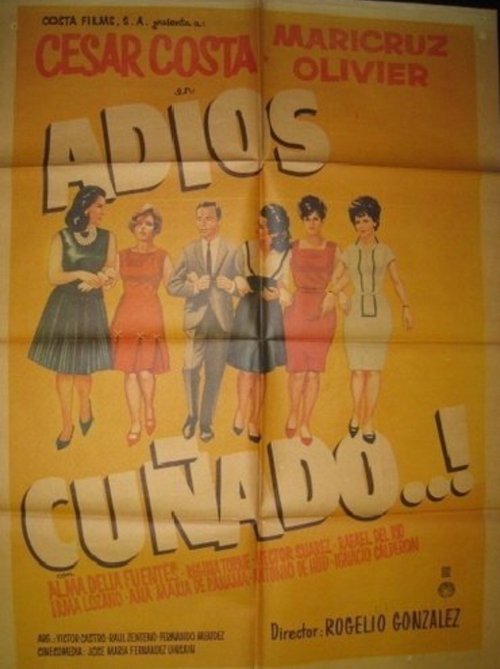
Rogelio A. González
Runtime
90 minutes
Average Rating
No ratings yetNew Showbiz Analysis
Adios cuñado is a quintessential product of its era, functioning as a traditional domestic comedy. It excels in providing cultural authenticity by centering Mexican lived experiences and social customs, making it a representative piece of mid-century national cinema. However, the film lacks narrative depth regarding social disruption. It reinforces existing patriarchal and familial structures rather than challenging them, which limits its score in gender and LGBTQ+ categories. Ultimately, the film serves as a standard representation of mid-century social dynamics, prioritizing cultural familiarity over progressive representation or the subversion of traditional norms.
Category Breakdown
The film adheres to traditional romantic and familial structures of 1960s Mexican comedy. It does not include any narratives or identities that question the assumption that everyone is straight or cisgender.
The story revolves around a patriarchal family structure and male-centric rivalry. Although several sisters are present, the primary roles remain with the brothers, offering limited subversion of gender hierarchies.
As a Mexican production, the film offers high ethnic authenticity. It centers Mexican identity and social customs, featuring a predominantly non-Anglo-Saxon cast.
The narrative upholds established social hierarchies and traditional family values. It celebrates the complexities of domestic life without critiquing institutional or social norms.
There is no specific evidence regarding the portrayal of visible or invisible disabilities within the film's narrative.
Present on Screen
Limited or Absent
Official Synopsis
The classic family with more sisters and one brother who has to deal with all the naughty words about being the brother in law of many.
1960
1961

1942
1962
1975

1962

1961
1970
No reviews yet. Be the first to share your thoughts on this movie!
Use the rating form above to leave a star rating and optional review.