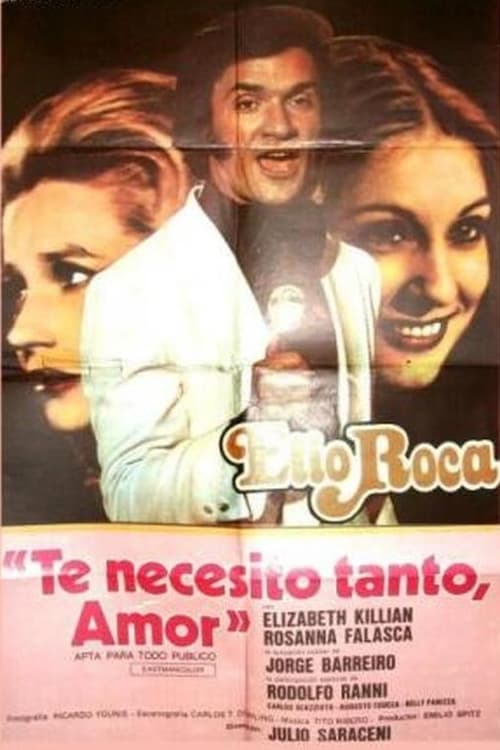
Te necesito tanto, amor
1976
No user ratings available yet
Representation score: 3.6 out of 10
Representation Score
Limited
1975
Director
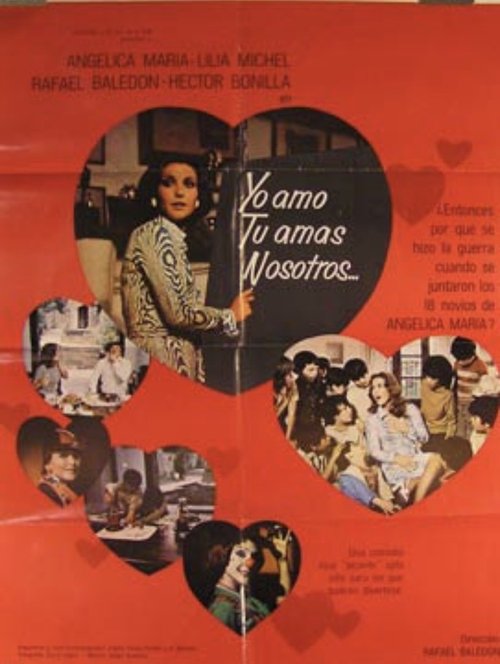
Rafael Baledón
Runtime
89 minutes
Average Rating
No ratings yetNew Showbiz Analysis
Yo Amo, Tu Amas, Nosotros... is a traditional romantic comedy that emphasizes expanding the nuclear family. While it provides a non-Western cultural perspective, the story structure follows the conventional social hierarchies and romantic clichés of 1975. The film centers on restoring family ties and fulfilling social duties through marriage. This focus reinforces established norms rather than challenging them. Ultimately, the work serves as a genre-driven piece that does not aim to disrupt systemic social structures.
Category Breakdown
The film focuses on traditional heterosexual relationships and forming a conventional family unit. It does not include any non-straight or non-cisgender identities or challenge the idea that everyone is straight and cisgender.
María shows independence through her various romantic relationships, but the story concludes with marriage and taking care of the home. Power shifts between her mother's influence and her romantic partner.
As a Mexican production, the film presents a non-Anglo-Saxon perspective. However, there is no specific evidence of diverse casting or challenging regional ethnic hierarchies.
The story emphasizes traditional Latin American values, such as the importance of family and inheritance. It reinforces these social institutions without questioning them.
The film does not include any characters with visible or invisible disabilities.
Present on Screen
Limited or Absent
Official Synopsis
A young girl, María, has 17 “boyfriends” and a fiancé approved by her mother. On his deathbed, Don Eustaquio sends Arturo, a lawyer, in search of his wife Victoria and his daughter Maria, whom he abandoned under pressure from her family. Arturo finds them working in a toy store. Arturo inherits the house of his ancestors during his lifetime, but ten children live there and Maria decides not to take them out because she has cleaned it. However, Eustaquio recovers and marries Victoria, as well as María marries Arturo, on the condition of adopting the children.
1976
1958
1959
1968
1967
1959
1985
1974
No reviews yet. Be the first to share your thoughts on this movie!
Use the rating form above to leave a star rating and optional review.