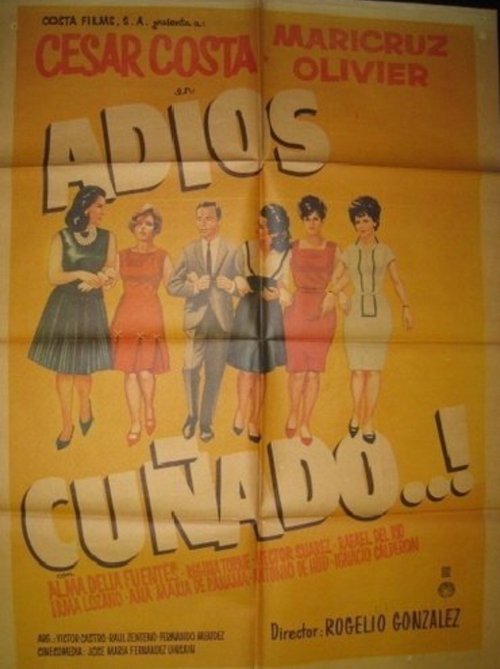
Adios cuñado
1967
No user ratings available yet
Representation score: 3.4 out of 10
Representation Score
Minimal
1960
Director
Agustín P. Delgado
Runtime
94 minutes
Average Rating
No ratings yetNew Showbiz Analysis
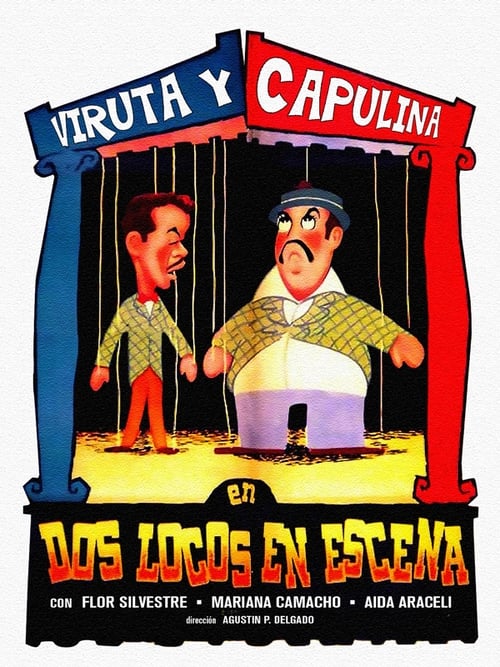
Dos locos en escena is a product of its time, relying heavily on mid-century slapstick and musical comedy styles. The story structure centers around the male duo, limiting the development of character dynamics. While the film provides a non-Western perspective through its Mexican origins, it does not challenge social hierarchies or incorporate complex layers of diversity. Female characters primarily serve as catalysts for the male characters' comedic antics. Overall, the film adheres to the social and romantic norms of 1960s cinema without subverting them.
Category Breakdown
The film focuses on heterosexual relationships between the main characters and their girlfriends, following the typical gender roles and orientations common in its time period.
The story revolves around the male comedic duo, Viruta and Capulina, where female characters mainly appear as showgirls or romantic interests, rather than active participants in the plot.
Being a Mexican production, the film features a predominantly non-Anglo-Saxon cast, reflecting the demographics of 1960s Mexico without aiming for a diverse multicultural representation.
The storyline follows traditional comedic styles and social norms of the 1960s. It does not critically examine or deconstruct traditional Western institutions.
The film does not include any characters with visible or invisible disabilities. There is no indication of neurodivergence or physical disabilities among the characters.
Present on Screen
Limited or Absent
Official Synopsis
Viruta and Capulina, magicians working in a theater where the actors delegate dishonest ratchets, is assassinated by two stagehands to remove payroll and left her body in the clubhouse Cristas singer Virutas girlfriend. He and Capulina move the body in a trunk to utility room but the trunk is base off and the body is in the Viruta's room. A lush Chasing Coquis showgirl girlfriend Capulina, stains of red paint and falls asleep, believing him dead detectives accuse Capulina and Viruta of murder.
1967
1950

1967
1960
1943
1962
1951

1964
No reviews yet. Be the first to share your thoughts on this movie!
Use the rating form above to leave a star rating and optional review.