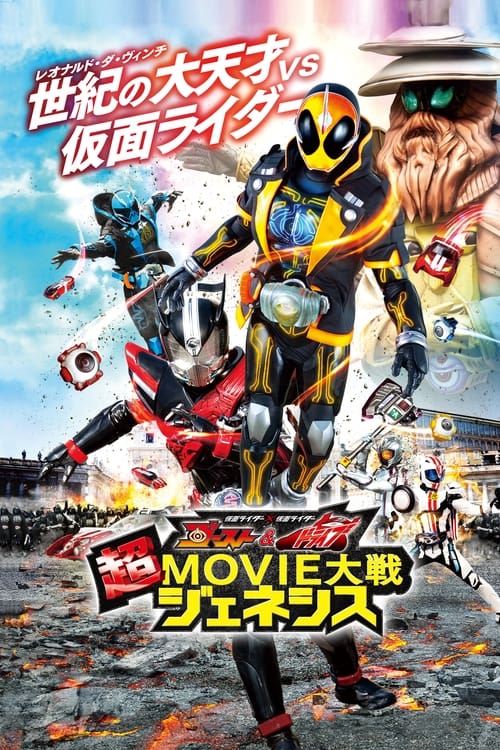
Kamen Rider × Kamen Rider Ghost & Drive: Super Movie Wars Genesis
2015
No user ratings available yet
Representation score: 3.2 out of 10
Representation Score
Fair
2012
Director
Koichi Sakamoto
Runtime
94 minutes
Average Rating
No ratings yetNew Showbiz Analysis
The film follows typical Tokusatsu conventions, focusing on established genre formulas rather than challenging social norms. It emphasizes traditional moral binaries and clear-cut hero-villain dynamics, limiting its complexity in representation. Narrative ability to act is centered around male characters, while female characters play supporting roles. The absence of diverse identities or multi-layered themes narrows the film's social scope. Supernatural abilities are used as plot devices rather than authentic depictions of disability or neurodivergence.
Category Breakdown
The film follows traditional storytelling that assumes everyone is straight or cisgender. There are no non-binary or LGBTQ+ identities or same-sex relationships among the characters.
Male characters take the lead in driving the story and fighting roles. Female characters like Yu Kamimura have magical abilities but mostly support the male leads.
The cast is mainly made up of characters from a similar cultural background, reflecting the Japanese setting. The story does not explore diverse racial backgrounds or use race-blind casting.
The story relies on a traditional moral contrast between heroes and villains. It avoids complex moral ambiguity and focuses on clear-cut heroic figures.
There is no meaningful depiction of visible or invisible disabilities. Psychic abilities in the Monster League are portrayed as supernatural powers rather than representing neurodivergence.
Present on Screen
Limited or Absent
Official Synopsis
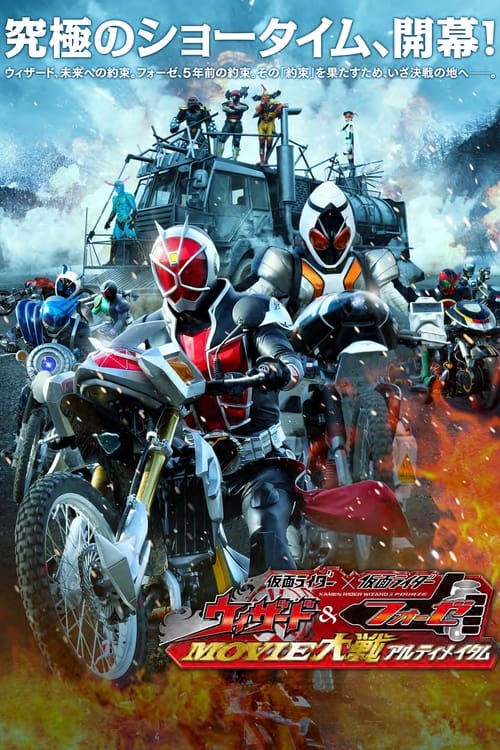
The first part is the Kamen Rider Fourze’s place five years after the events of the series. Gentaro is now a teacher at Amanogawa High as well as the Space Kamen Rider Club’s new academic advisor. However, a new school club called the Monster League, comprised by a group of psychic children led by Saburo Kazeta, which is supported by a mysterious man named Kageto Banba. The second part is Kamen Rider Wizard’s portion, where Haruto enters the Underworld of an unknown Gate to investigate the mysterious occurrings of monster appearances. He then runs into a young woman named Yu Kamimura who can become Belle Mask Poitrine and can use magic like him. The third and final part of the film is Movie War Ultimatum. The three Akumaizer from the Underworld to plan to invade the land of the living. Kamen Riders Wizard and Fourze must fight to stop the Akumaizer and their Monster Army.
2015
1995
2016
2010
2011
2015
2013
2014
No reviews yet. Be the first to share your thoughts on this movie!
Use the rating form above to leave a star rating and optional review.