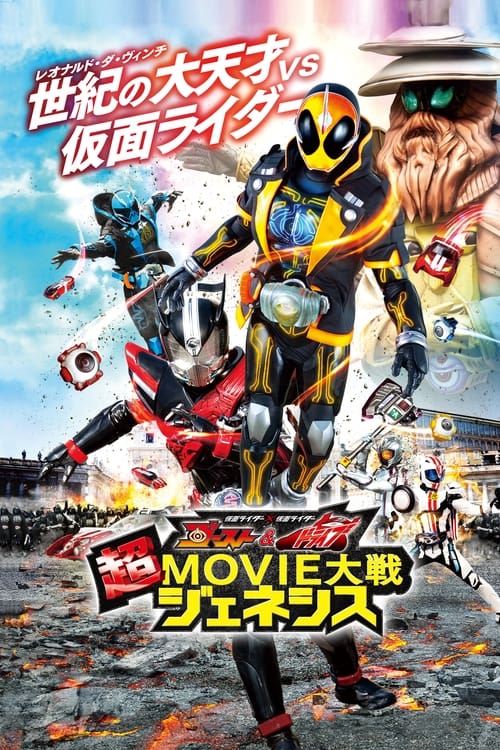
Kamen Rider × Kamen Rider Ghost & Drive: Super Movie Wars Genesis
2015
No user ratings available yet
Representation score: 3.2 out of 10
Representation Score
Fair
2016
Director
Satoshi Morota
Runtime
55 minutes
Average Rating
No ratings yetNew Showbiz Analysis
The film is a traditional genre piece that prioritizes high-concept fantasy and action over diverse representation. It expands on established franchise lore using conventional hero clichés. While the Eyecon mechanic allows for a broad collection of global historical figures, the narrative remains rooted in conventional hero clichés. It lacks significant engagement with gender subversion or systemic critiques. Ultimately, the work adheres to established Tokusatsu conventions, focusing on moral clarity and the preservation of the individual soul rather than complex social or identity-based issues.
Category Breakdown
The film doesn't include any explicit LGBTQ+ characters or non-cisgender identities. The story focuses on the protagonist's spiritual journey without addressing queer-coded subtext or critiques of the assumption that everyone is straight or cisgender.
Female characters like Akari Tsukimura mainly provide technical support or emotional grounding. The story relies on traditional Tokusatsu clichés where the male hero holds most of the ability to act.
The Eyecon system includes a wide range of historical figures from around the world, creating a multicultural tapestry. However, the narrative doesn't deeply explore individual identities.
The story centers on the metaphysical struggle between life and death, reinforcing traditional values about legacy and the soul without challenging religious or social institutions.
The concept of 'ghosthood' serves as a fantasy plot device. It doesn't offer a detailed exploration of physical impairments or neurodivergence.
Present on Screen
Limited or Absent
Official Synopsis
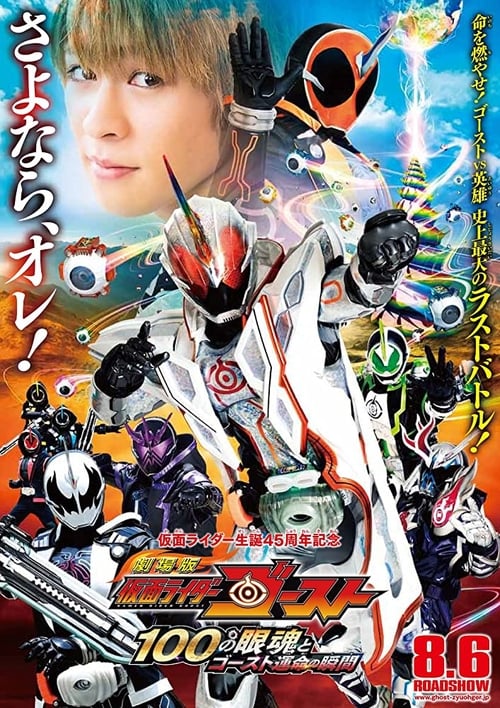
After chasing the mysterious Kamen Rider Dark Ghost, who had suddenly appeared, Takeru Tenkuji arrives at a strange village full of historical figures. Attempting to gather 100 Eyecons, Alain’s dead brother Argos - Kamen Rider Dark Ghost - wishes to create the Ultimate Eyecon and turn everyone on Earth into ghosts. Meanwhile, Makoto’s father Daigo Fukami is seen in the village. Transforming into Kamen Rider Zero Specter, is Daigo an ally or an enemy?
2015
2020
2014
2017
2008
2010
2021
2019
No reviews yet. Be the first to share your thoughts on this movie!
Use the rating form above to leave a star rating and optional review.