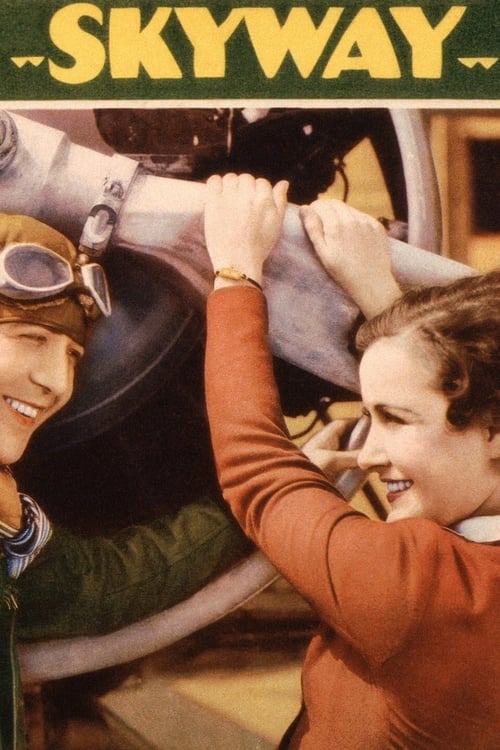
Skyway
1933
No user ratings available yet
Representation score: 0.9 out of 10
Representation Score
Minimal
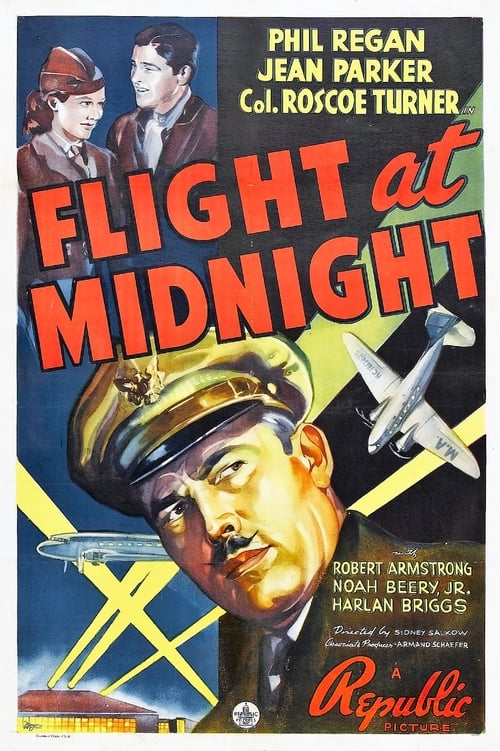
1939
ApprovedDirector
Sidney Salkow
Runtime
65 minutes
Average Rating
No ratings yetNew Showbiz Analysis
Flight at Midnight is a conventional hero-driven adventure that adheres to the social and narrative structures of the late 1930s. The story centers on a male protagonist's physical labor and heroism to resolve a community crisis. Because the film follows the standard studio system structures of its era, it lacks the intentionality needed to challenge established cultural norms. It functions as a traditional period piece that reinforces existing demographic and gendered conventions. Ultimately, the film presents a narrow view of heroism and community, focusing on a localized, likely homogeneous setting that lacks structural complexity or diverse representation.
Category Breakdown
The film adheres to the strict heterosexual norms of 1939, with no representation of LGBTQ+ identities or narratives.
The male lead, Spinner McGee, drives the plot with his courage and skill, reinforcing traditional ideas of masculine leadership.
The film likely reflects the homogeneous casting standards of the 1930s, focusing on a localized community without diverse racial or cultural backgrounds.
The narrative emphasizes conventional morality and community preservation, centering on local interests and traditions.
There is no documented evidence of characters with visible or invisible disabilities in this production.
Present on Screen
Limited or Absent
Official Synopsis
Spinner McGee, devil-may-care mail pilot volunteers his courage and skill for the task of raising $100,000 to save the small airport owned by Pop Hussey from being condemned.
1933
1939
1934
1943
1937
1939
1940
1933
No reviews yet. Be the first to share your thoughts on this movie!
Use the rating form above to leave a star rating and optional review.