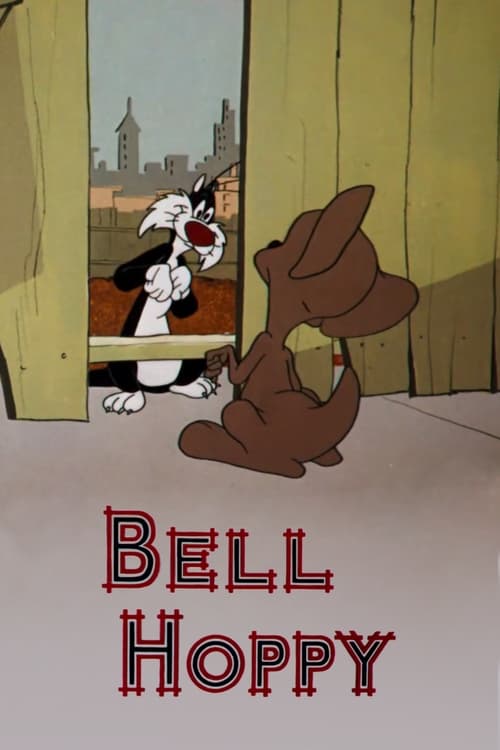
Bell Hoppy
1954
No user ratings available yet
Representation score: 0.3 out of 10
Representation Score
Minimal
1957
ApprovedDirector
Robert McKimson
Runtime
7 minutes
Average Rating
No ratings yetNew Showbiz Analysis
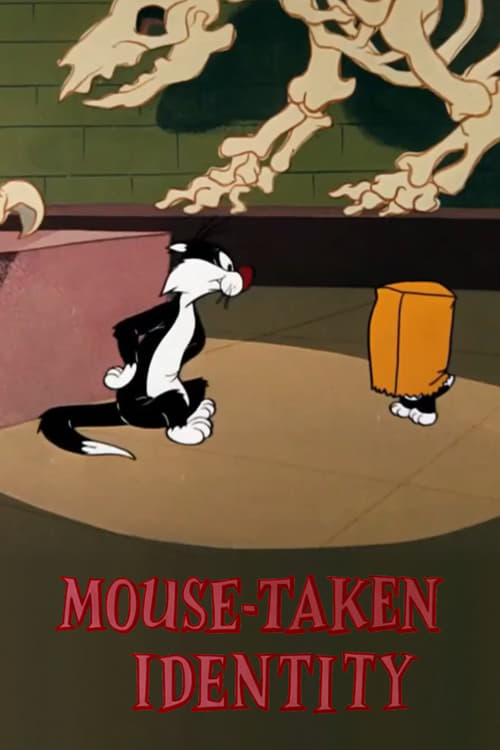
Mouse-Taken Identity is a product of its historical era, focusing on fast-paced physical comedy rather than social complexity. The narrative revolves around a mistaken identity between Sylvester Cat and a baby kangaroo. The film does not aim to challenge social hierarchies, relying instead on established character archetypes. Since the characters are animals, it avoids human social issues entirely. Overall, the film serves as a typical example of mid-century slapstick humor without developing multi-layered characters or diverse representation.
Category Breakdown
The film centers on a paternal relationship and predator-prey dynamics without depicting non-straight or non-cisgender identities. It does not critique the assumption that everyone is straight or cisgender.
The story is driven by male characters, Sylvester and Junior, who embody traditional masculine roles such as the hunter and apprentice. These roles reinforce gender hierarchies without challenging them.
As an anthropomorphic animation, the film does not show human racial or ethnic diversity. Animal characters follow standard Western cartoon clichés from the mid-20th century.
The narrative follows traditional mid-century comedic values and commercial entertainment. It does not engage with anti-Western, secularist, or anti-capitalist themes.
The film does not depict neurodivergence or physical disabilities. Physical struggles are shown as typical cartoon slapstick humor rather than meaningful explorations of individual control.
Present on Screen
Limited or Absent
Official Synopsis
Sylvester Cat checks in to work at a museum with his son, Junior. He is bragging about his mouse-catching prowess when the baby kangaroo, Hippety Hopper, having escaped from the zoo, turns up in the museum. Sylvester and Junior, as usual, mistake Hippety for a giant mouse and chase him around the exhibits.
1954
1948
1952
1956
1949
1956
1956
1953
No reviews yet. Be the first to share your thoughts on this movie!
Use the rating form above to leave a star rating and optional review.