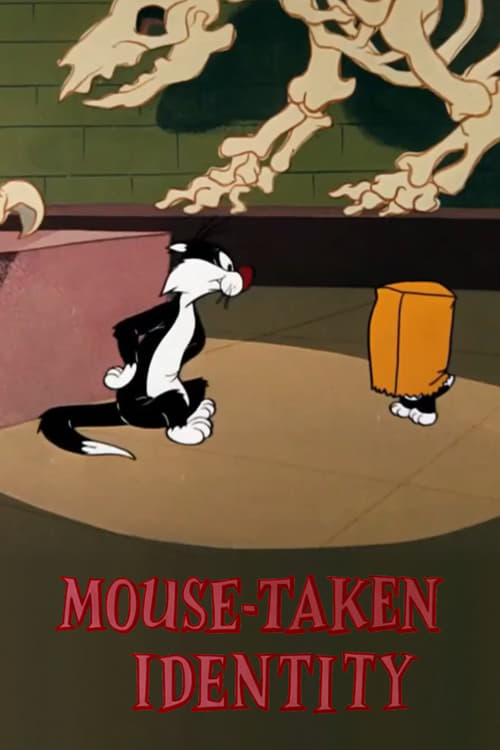
Mouse-Taken Identity
1957
No user ratings available yet
Representation score: 0.5 out of 10
Representation Score
Minimal
1948
Director
Robert McKimson
Runtime
7 minutes
Average Rating
No ratings yetNew Showbiz Analysis
Robert McKimson’s short is a quintessential example of mid-century slapstick, prioritizing rhythmic timing and physical gags over social depth. The narrative centers on the predator-prey dynamic between Sylvester Cat and a young kangaroo, operating within a vacuum of biological archetypes. Since the characters are anthropomorphic animals, the film avoids human social dynamics entirely. This absence of human representation means the narrative does not engage with identity, race, or gendered social constructs. Ultimately, the film functions as a consequence-free comedy. It follows the established Looney Tunes paradigm of the late 1940s, focusing on character-driven conflict rather than the deconstruction of social hierarchies.
Category Breakdown
The film does not depict any non-cisgender identities or queer relationships. The story focuses solely on the biological instincts of the characters.
The narrative features anthropomorphic animals rather than humans. While it avoids explicit gender hierarchies, it does not challenge traditional gender roles.
The setting is a generic urban environment. The cast of anthropomorphic animals does not address human racial dynamics, reflecting the homogeneous approach of the time.
The film follows traditional comedic structures without addressing systemic critiques or religious themes. It adheres to a linear, consequence-free slapstick model.
There are no characters with visible or invisible disabilities. The physical comedy relies on standard cartoon physics rather than depicting lived experiences of impairment.
Present on Screen
Limited or Absent
Official Synopsis
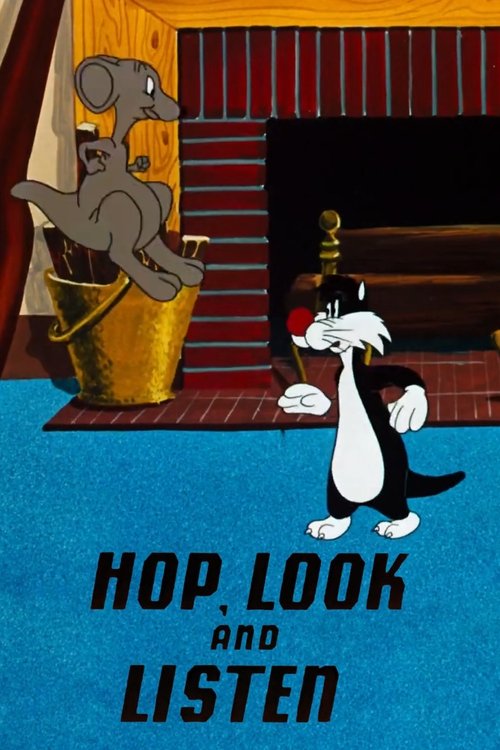
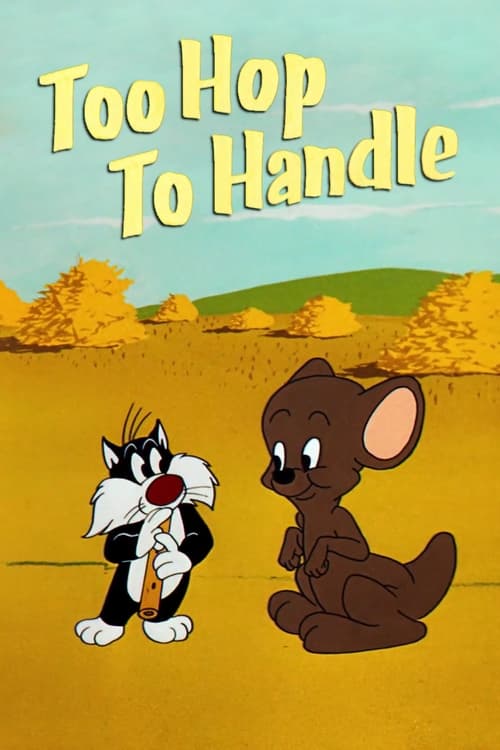
A baby kangaroo hops out of his zoo cage and roams into the surrounding city. The kangaroo stops at Sylvester Cat's home while Sylvester is hunting for mice with a fishing rod. When Sylvester "reels in" the kangaroo, he thinks he has caught a giant mouse and makes a humiliatingly unsuccessful attempt to catch him.
1957
1954
1956
1952
1949
1956
1953
1956
No reviews yet. Be the first to share your thoughts on this movie!
Use the rating form above to leave a star rating and optional review.