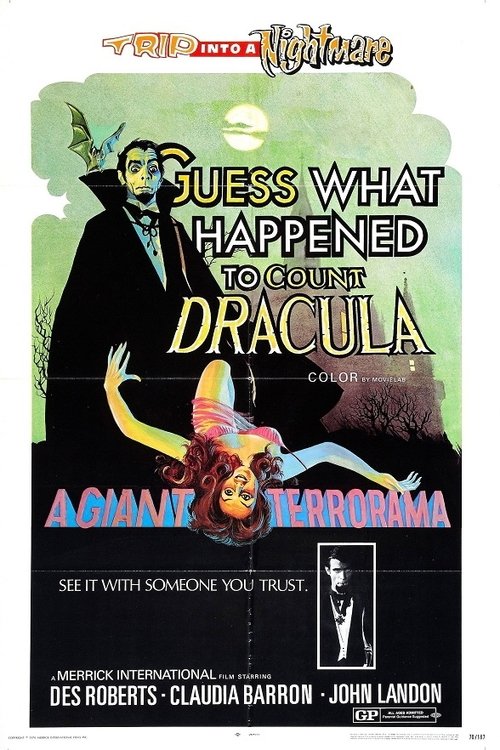
Guess What Happened to Count Dracula?
1971
No user ratings available yet
Representation score: 3.8 out of 10
Representation Score
Limited
1932
Director
Albert DeMond
Runtime
10 minutes
Average Rating
No ratings yetNew Showbiz Analysis
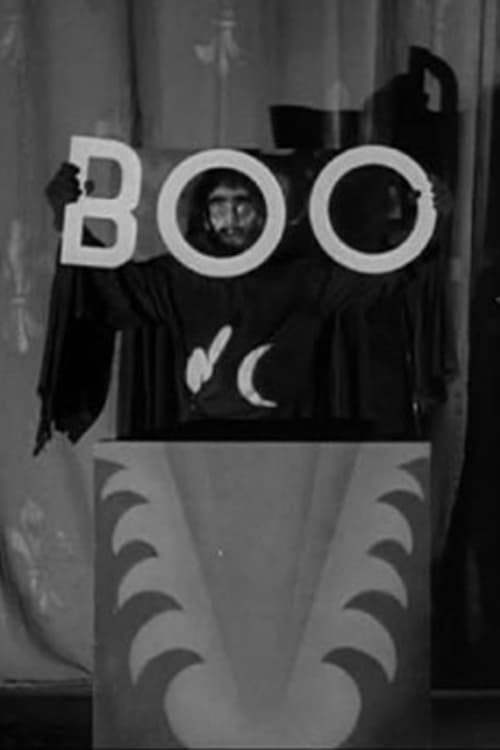
Boo (1932) is a period-specific comedic compilation that reinforces the traditional cinematic hierarchies of the early 1930s. It functions primarily as a parody of established horror archetypes rather than a vehicle for social commentary. The film lacks the narrative complexity or intentionality required to challenge the standard clichés of its era. Instead, it operates within conventional entertainment structures, focusing on mockery and genre clichés. Ultimately, the work remains a product of its time, prioritizing comedic relief through the lens of homogeneous, Eurocentric horror icons.
Category Breakdown
The film relies on established horror archetypes like Dracula and Frankenstein's monster. It lacks any representation of non-binary or transgender identities and does not critique the assumption that everyone is straight or cisgender.
The narrative focuses on traditional masculine archetypes of terror and comedy. There are no female characters who play a significant role in driving the story or challenge gender hierarchies.
The film centers on Eurocentric gothic clichés common to the era. It lacks a non-white majority cast or any use of race-bent casting to disrupt historical norms.
This work functions as a meta-commentary on horror clichés rather than a critique of Western institutions. It prioritizes comedic relief over the deconstruction of social hierarchies.
The film uses monster clichés as objects of mockery or comedic spectacle. It fails to provide a portrayal of ability to act or neurodivergent lived experience.
Present on Screen
Limited or Absent
Official Synopsis
A wisecracking narrator mocks footage featuring Frankenstein's monster and Count Dracula.
1971
1948
1961
1966

1979
1964

1942
1967
No reviews yet. Be the first to share your thoughts on this movie!
Use the rating form above to leave a star rating and optional review.