
Dracula: Dead and Loving It
1995
No user ratings available yet
Representation score: 3.0 out of 10
Representation Score
Limited
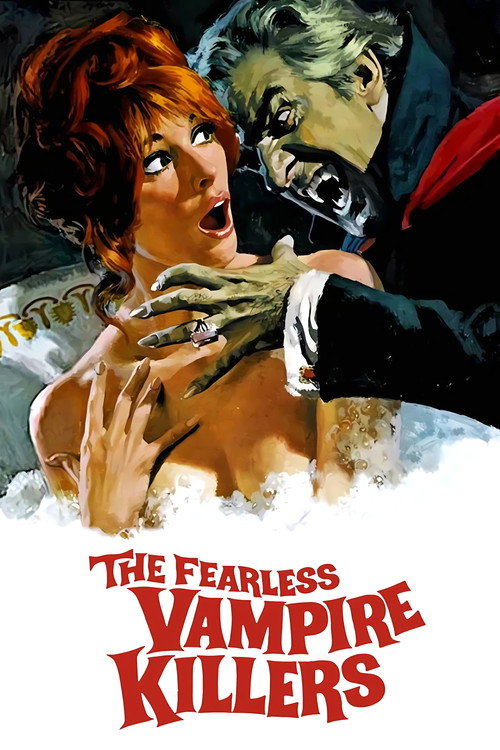
1967
ApprovedDirector
Roman Polanski
Runtime
108 minutes
Average Rating
No ratings yetNew Showbiz Analysis
The film operates as a genre parody, which inherently limits its capacity for deep systemic critique. Its primary strength lies in its subversion of the 'competent hero' cliché, replacing traditional masculine authority with bumbling, ineffective protagonists. This creates a unique power dynamic where female characters often hold more ability to act. While the film avoids the total homogeneity of many 1960s Western productions, it remains tethered to certain period archetypes, particularly regarding ethnic representation. The use of a Romani character follows established genre clichés rather than offering a transformative portrayal. Ultimately, the work succeeds in deconstructing social and institutional stability through a postmodernist lens. It uses humor to undermine the perceived certainty of religious and scientific institutions, even if it lacks explicit characters who reflect more than one aspect of diversity.
Category Breakdown
The film does not include any LGBTQ+ characters or situations that go beyond traditional heterosexual relationships. The romantic and social interactions are limited to conventional heterosexual dynamics.
The film challenges traditional gender roles by showing male characters as bumbling and ineffective. Female characters and supernatural beings take charge and drive the story forward.
The film includes a Romani fortune teller, adding ethnic representation within a fictional Eastern European setting. However, the portrayal relies on mystical clichés typical of the horror genre of the time.
The film uses humor to question religious and scientific authorities. By presenting these institutions as absurd, the film adopts a stance of moral relativism.
There are no prominent depictions of physical or neurodivergent disabilities used as central character arcs or plot devices.
Present on Screen
Limited or Absent
Official Synopsis
A noted professor and his dim-witted apprentice fall prey to their inquiring vampires, while on the trail of the ominous damsel in distress.
1995
1948
1995
1972
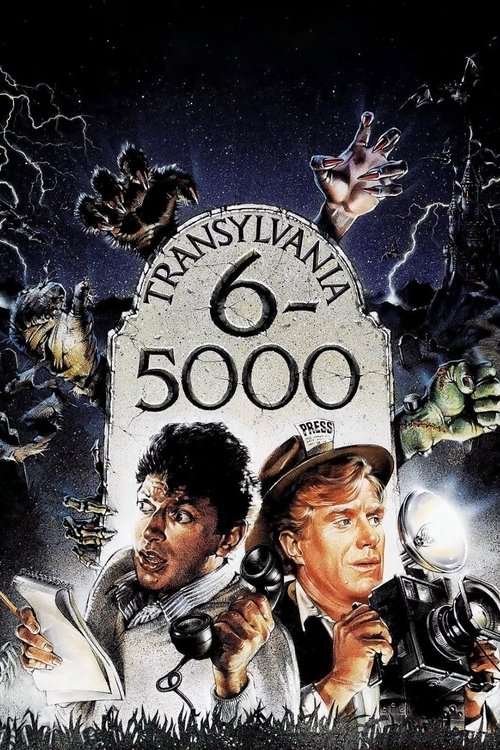
1985
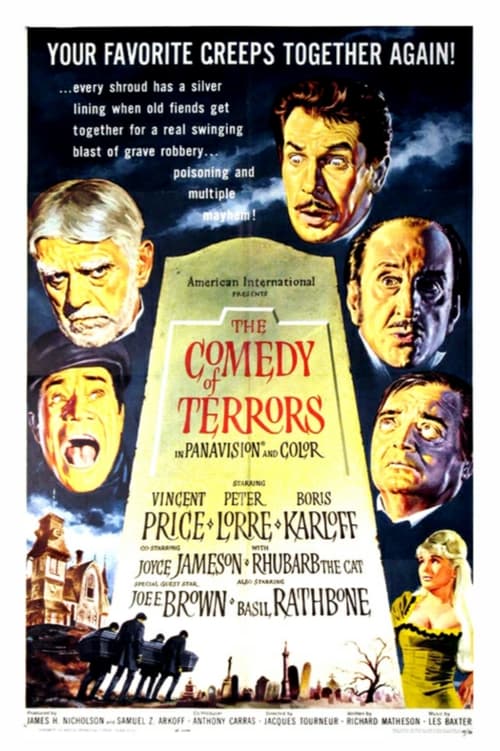
1964
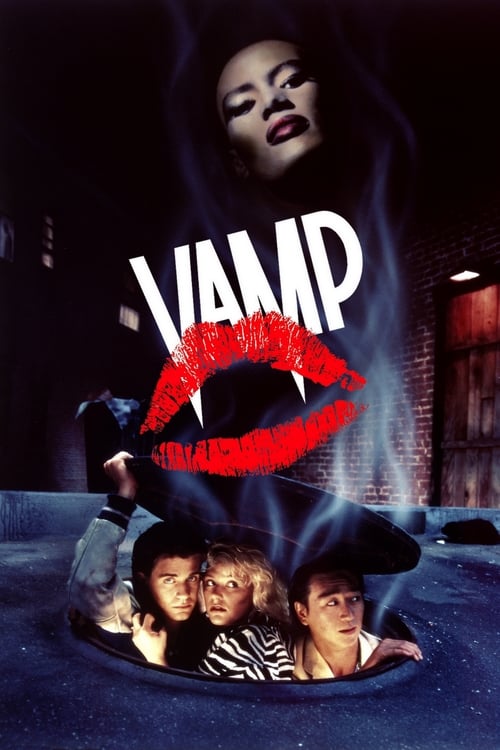
1986
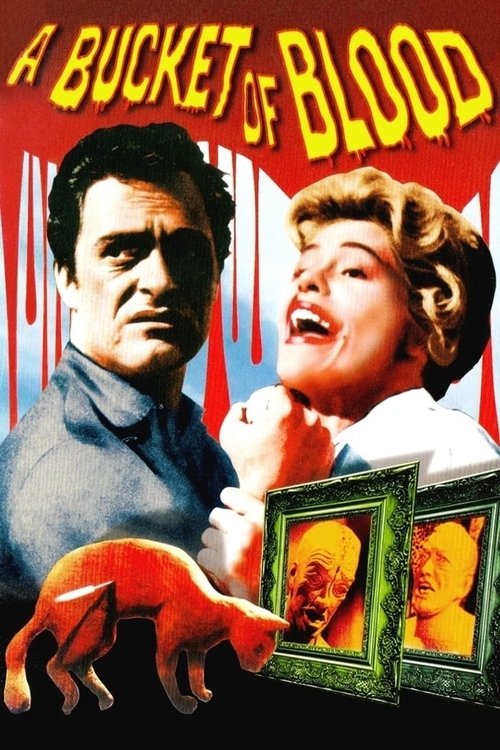
1959
No reviews yet. Be the first to share your thoughts on this movie!
Use the rating form above to leave a star rating and optional review.