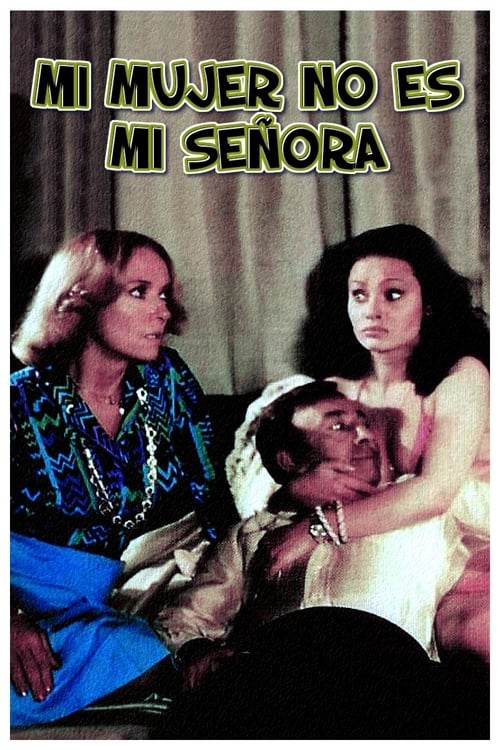
Mi Mujer no es mi señora
1978
No user ratings available yet
Representation score: 2.0 out of 10

Representation Score
Limited
1977
Director
Hugo Moser
Runtime
91 minutes
Average Rating
No ratings yetNew Showbiz Analysis
Basta de mujeres is a product of the 1970s Argentine 'picaresca' genre, emphasizing established social archetypes over narrative innovation. The film operates within a conventional framework centered on heterosexual relationship dynamics and traditional comedic structures. The narrative structure relies heavily on mid-century social norms, focusing on workplace dynamics and marital infidelity. This approach limits the representation of diverse identities, favoring a homogeneous cast and predictable gender roles. Ultimately, the film serves as a commercial comedy of its era, offering little disruption to the established social or gender hierarchies of the time.
Category Breakdown
The film does not include characters with non-binary gender identities. The storyline revolves around traditional marriage conflicts, which suggests a focus on heterosexual relationships.
The title and plot suggest a reliance on traditional gender roles. Women might serve as objects of desire or catalysts for male-driven action rather than independent actors.
The casting reflects the demographic uniformity typical of 1970s Argentine mainstream cinema. There is no indication of significant racial diversity among the main characters.
The film adheres to traditional mid-century comedic values and social norms. It focuses on marital infidelity and conventional domestic life without challenging systemic issues.
There is no mention of characters with visible or invisible disabilities in the story.
Present on Screen
Limited or Absent
Official Synopsis
Alberto, who has been married to Laura for twenty years, meets Monica in his office, a serious and formal employee with whom he strikes up a friendship.
1978
1976

1974

1977

1981

1980
1970

1990
No reviews yet. Be the first to share your thoughts on this movie!
Use the rating form above to leave a star rating and optional review.