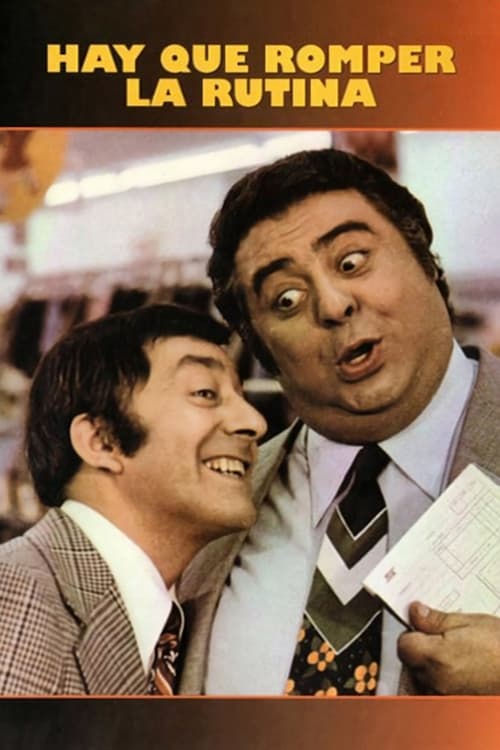
Hay que romper la rutina
1974
No user ratings available yet
Representation score: 1.9 out of 10
Representation Score
Minimal
1975
Director
Enrique Cahen Salaberry
Runtime
83 minutes
Average Rating
No ratings yetNew Showbiz Analysis
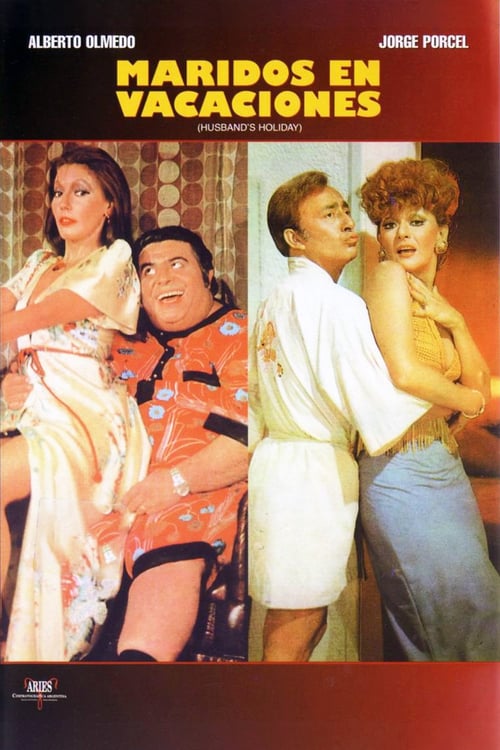
Maridos en vacaciones is a period-typical commercial comedy that prioritizes situational humor over exploring diverse identities. The plot relies on traditional clichés of mistaken identity and the tension between domestic responsibilities and escapism. The film operates within the social hierarchies of the mid-1970s, offering a window into the leisure culture of the era but lacking an effort to disrupt conventional clichés or provide depth on multiple aspects of identity. Ultimately, the work reinforces the status quo of its time, focusing on middle-class stability and traditional gender roles.
Category Breakdown
The film focuses on traditional heterosexual marriages and lifestyles. It does not include any characters with non-conforming gender identities or critique the assumption that everyone is straight or cisgender.
Male characters drive the plot through their professional lives and leisure activities. Female characters, such as wives and aspiring performers, mainly serve as catalysts for male motivations or contribute to comedic misunderstandings.
The cast appears to be predominantly homogeneous, reflecting the demographic norms typical of mid-1970s regional commercial cinema.
The story highlights middle-class stability, professional hierarchies, and the nuclear family. It celebrates conventional social mobility without critiquing institutional or capitalist structures.
The narrative does not include any characters with visible or invisible disabilities.
Present on Screen
Limited or Absent
Official Synopsis
Friends Alberto and Jorge, who work together in an insurance company and live in the same building, are married to two sisters (Elsa and Alicia). When they go on vacation to Mar del Plata, Alberto and Jorge decide to enjoy their "single life". In addition to this, they have to fulfill a duty entrusted by their boss: to find the revue theater entrepreneur Félix Sagastume, to sign an insurance contract. It is in a canteen where they go to look for him, and there they meet two aspiring vedettes (Zuzú and Bibí), who confuse them with important businessmen and see in them a possibility of achieving fame.
1974

2015

1977

1984
1976
1981

1978
1985
No reviews yet. Be the first to share your thoughts on this movie!
Use the rating form above to leave a star rating and optional review.