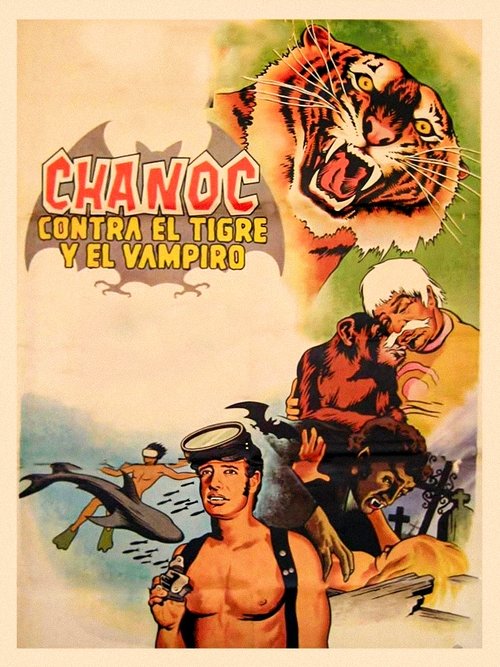
Chanoc vs. the Tiger and the Vampire
1972
No user ratings available yet
Representation score: 3.7 out of 10
Representation Score
Fair
1974
Director
Miguel M. Delgado
Runtime
95 minutes
Average Rating
No ratings yetNew Showbiz Analysis
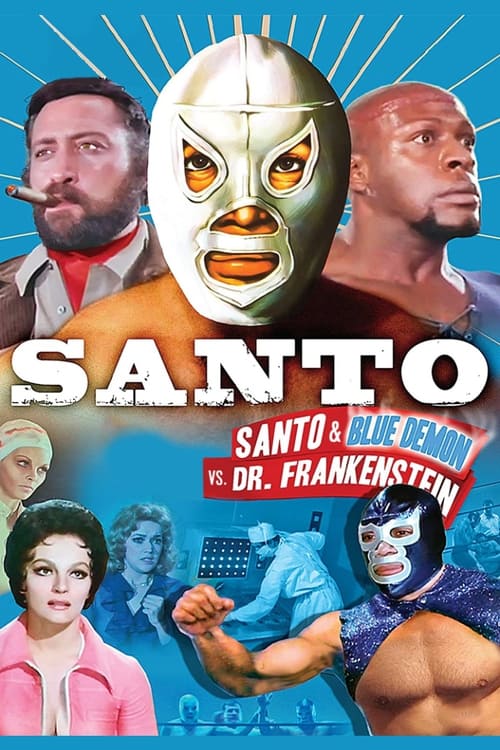
Santo and Blue Demon vs. Dr. Frankenstein is a genre piece that excels in cultural specificity while remaining tethered to traditional clichés. By centering Mexican luchadores, the film offers a powerful counter-narrative to the Hollywood-centric horror of the 1970s. However, the film's social complexity is limited by its reliance on outdated archetypes. The narrative structure prioritizes male heroism and uses female characters as damsels in distress to drive the plot forward. Ultimately, while the film provides significant non-Western ability to act, it lacks depth in reflecting multiple aspects of identity and favors a binary moral world and conventional gender hierarchies.
Category Breakdown
The film follows a strictly straight-centered structure. There are no queer narratives or non-cisgender identities present in the story.
Male protagonists Santo and Blue Demon play a significant role in driving the story. Female characters like Alicia serve primarily as victims or plot catalysts.
The film centers Mexican cultural icons as the primary agents of justice. This provides a non-Western heroic archetype that resists Anglo-centric dominance.
The story operates within a traditional moral framework of good versus evil. It focuses on individual heroism rather than systemic critiques.
Bodily alterations and undead entities are used as horror clichés. These characters function as obstacles rather than individuals with lived experiences.
Present on Screen
Limited or Absent
Official Synopsis
Innocent women are being kidnapped and used as guinea pigs for a brain transplant experiment. The diabolical Dr. Frankenstein continues his quest to perfect his brain transplant operation to bring back his deceased wife at any cost - even if it means playing with the lives of others. El Santo and Blue Demon are called in to help when their friend Alicia becomes Dr. Frankenstein's next target. It'll take both heroes to go up against the dastardly doctor and go mano a mano with his super strong zombie Golem.
1972
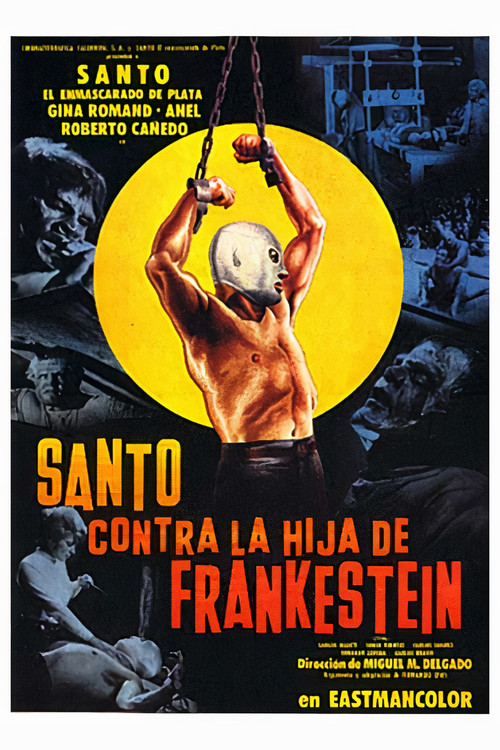
1972
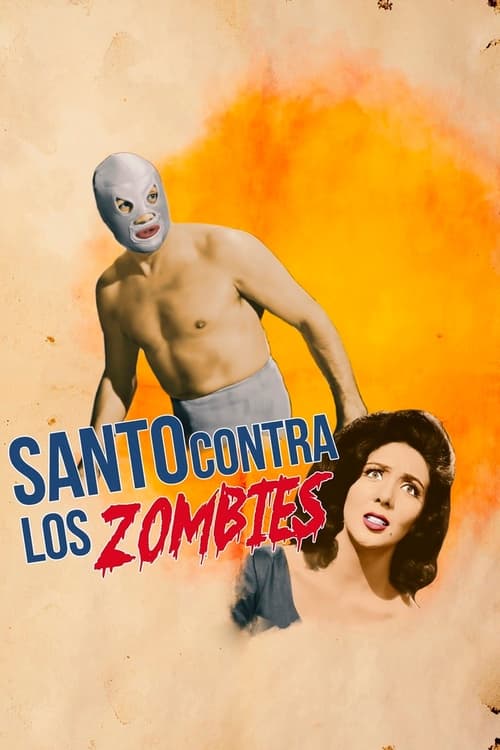
1962
1973
1967
1973

1974
1976
No reviews yet. Be the first to share your thoughts on this movie!
Use the rating form above to leave a star rating and optional review.