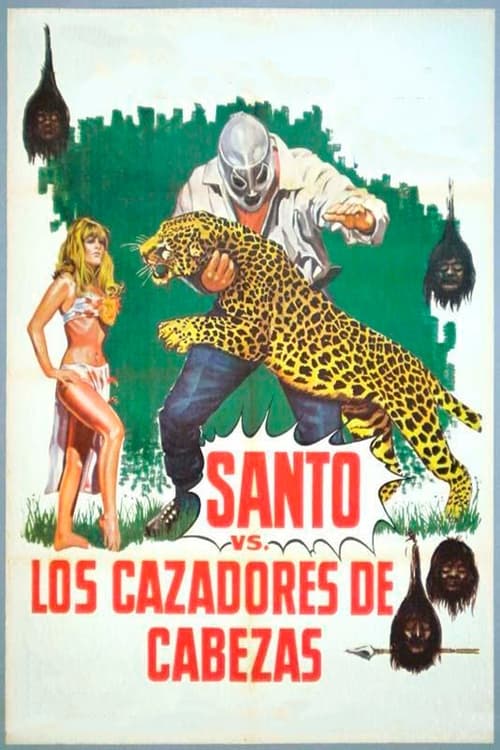
Santo vs. the Head Hunters
1971
No user ratings available yet
Representation score: 1.1 out of 10
Representation Score
Minimal
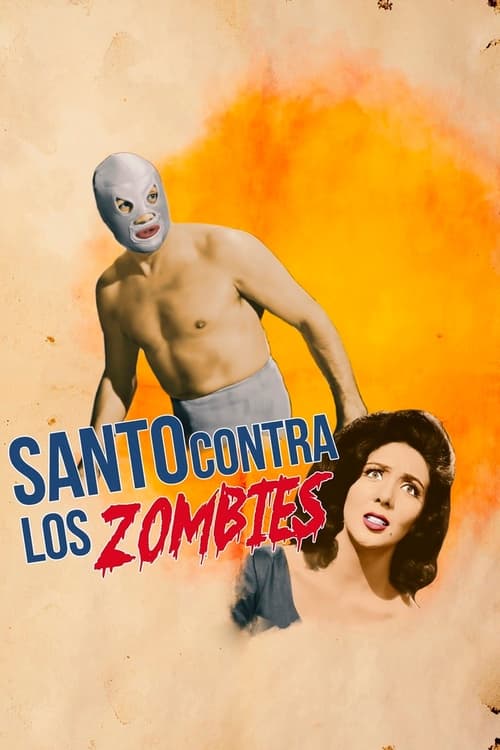
1962
Not RatedDirector
Benito Alazraki
Runtime
85 minutes
Average Rating
No ratings yetNew Showbiz Analysis
Santo vs. the Zombies is a significant piece of Mexican genre cinema that successfully centers ethnic identity. By featuring a Mexican luchador at the heart of a sci-fi horror tale, it avoids the white savior clichés common in 1960s international cinema. However, the film is constrained by the social hierarchies of its era. The narrative relies on rigid gender roles and a binary moral framework that prioritize traditional authority and social order over any subversion of norms. While culturally authentic in its casting, the film lacks depth in its representation of gender, LGBTQ+ identities, or disability, treating these elements through narrow, conventional lenses.
Category Breakdown
The film adheres to a traditional framework that assumes everyone is straight and cisgender. There are no representations of LGBTQ+ identities or same-sex relationships.
Female characters mainly fit the 'damsel in distress' stereotype. The story emphasizes a patriarchal structure where male strength and dominance drive the plot.
The film centers around a Mexican protagonist and cast, breaking away from Anglo-centric hero narratives. It offers a culturally specific model of heroism through the luchador icon.
The narrative upholds traditional values of law and order. Santo serves as a stabilizing force against chaos, promoting social stability.
Zombies are used as horror clichés rather than nuanced depictions of disability. They represent existential dread rather than lived experiences.
Present on Screen
Limited or Absent
Official Synopsis
Masked luchador "Santo" fights against an evil doctor and his zombie army.
1971
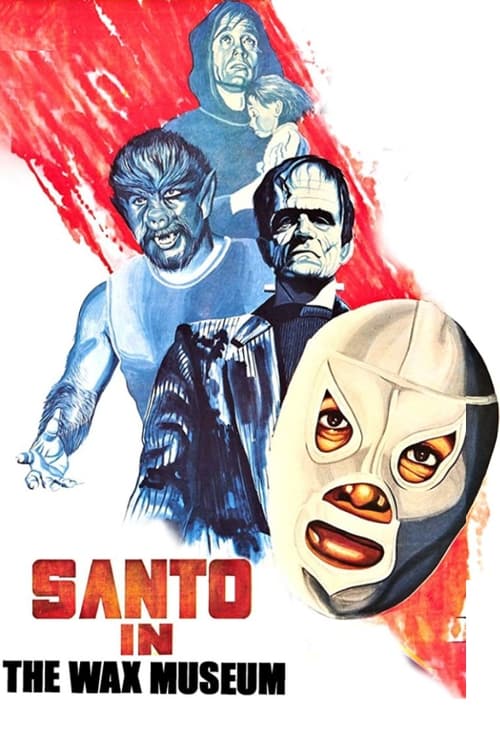
1963

1965
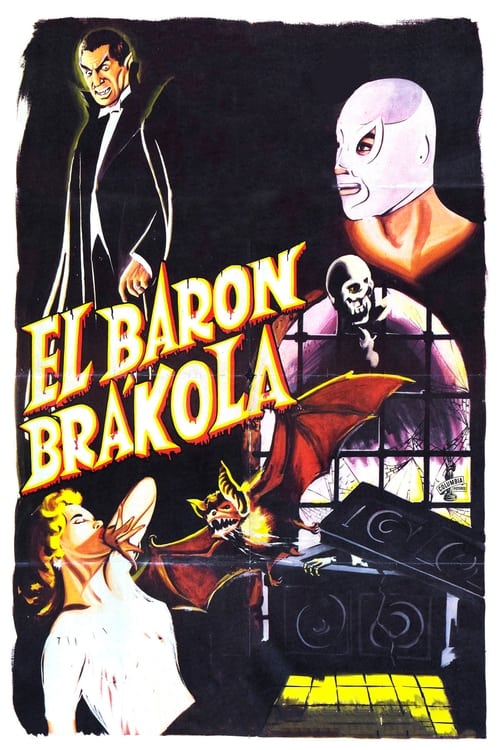
1967
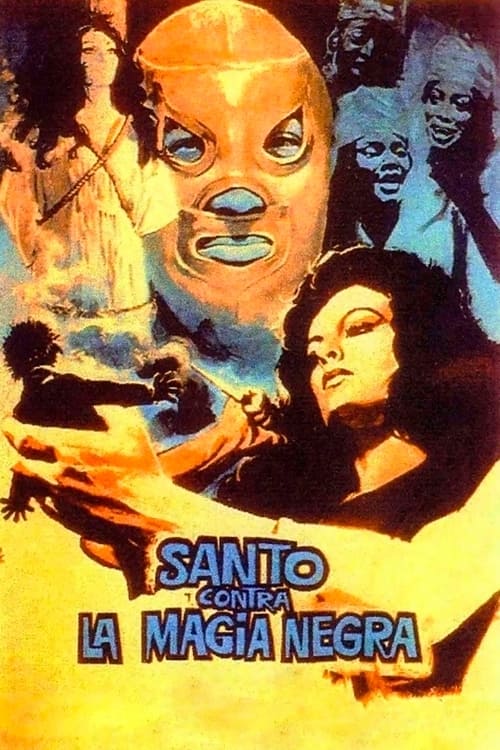
1973
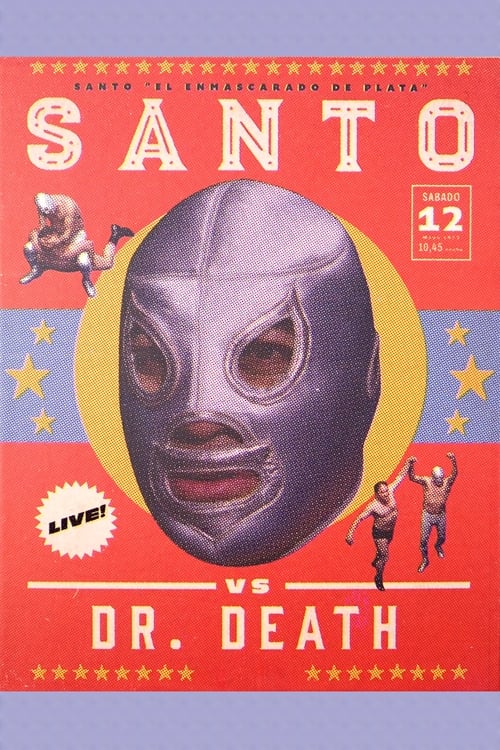
1973
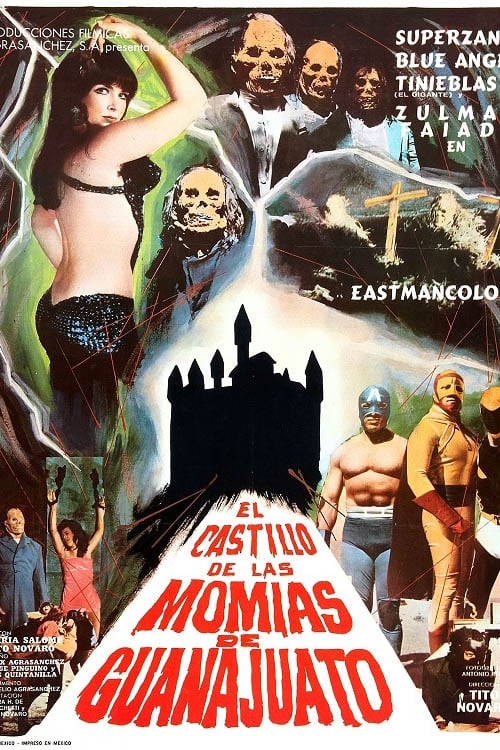
1973
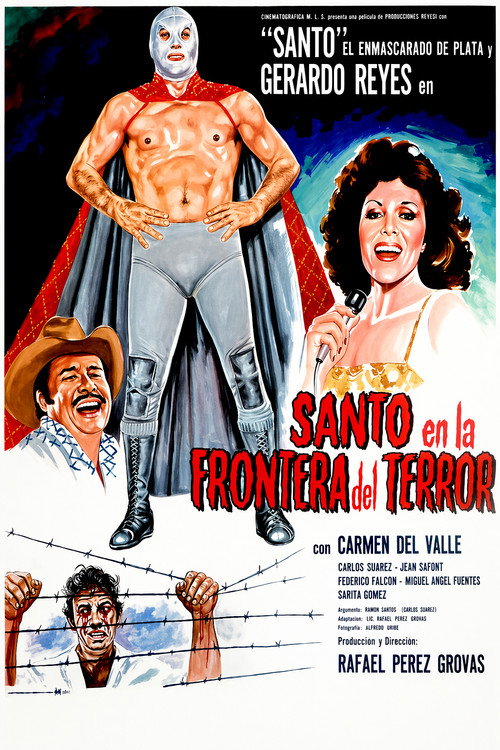
1981
No reviews yet. Be the first to share your thoughts on this movie!
Use the rating form above to leave a star rating and optional review.