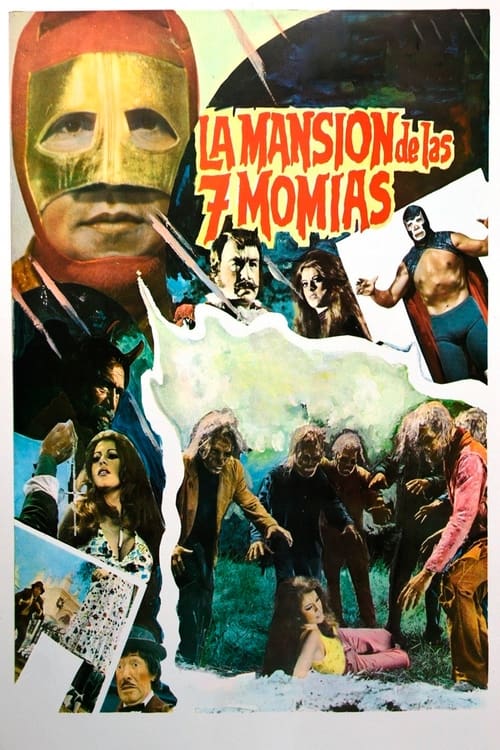
The Mansion of The 7 Mummies
1977
No user ratings available yet
Representation score: 2.4 out of 10

Representation Score
Limited
1974
Director
Arturo Martínez
Runtime
80 minutes
Average Rating
No ratings yetNew Showbiz Analysis
Leyenda Macabras de La Colonia is a culturally specific genre piece rooted in Mexican identity. By blending luchador culture with Aztec and colonial history, it avoids the standard Western-centric adventure clichés found in global cinema. However, the film adheres to traditional gender hierarchies. Male wrestlers drive the action, while female characters play more decorative or secondary roles. This limits the film's progressive impact despite its rich mythological setting. Ultimately, the film's value lies in its strong ethnic representation and its refusal to center a purely Eurocentric worldview, even though it remains limited in its portrayal of gender and sexuality.
Category Breakdown
The film does not include any visible LGBTQ+ characters or narratives addressing non-straight relationships. The plot revolves around traditional horror themes with male protagonists and female companions.
The story is primarily driven by male wrestlers, known as luchadores, such as Tinieblas and Mil Máscaras. Two women appear in the film, but they mainly serve as secondary or decorative elements within the genre framework.
The film stands out by focusing on Mexican cultural icons and the historical conflict between Aztec warriors and Spanish conquistadors. This incorporation of indigenous mythology challenges typical Eurocentric hero narratives.
The story emphasizes indigenous folklore and colonial-era mysticism rather than traditional Christian morality. It portrays the colonial period through a lens of supernatural tension and cultural struggle.
There are no characters with visible or invisible disabilities mentioned in the narrative.
Present on Screen
Limited or Absent
Official Synopsis
The Mexican luchador Tinieblas buys an ancient painting of a dead woman ignoring the warning that it is haunted. Later, after a fight his partners El Fantasma Blanco and Mil Máscaras joins him in a party at his apartment with two beautiful ladies, but when the clock reaches midnight the painting transports them all to colonial times. In order to return home they must face Spanish Conquistadores, Aztec Warriors and an evil witch whose mother, an unstoppable living dead hungry for human sacrifices, is the woman in the painting.
1977
1972
1974
1976
1969
1970
1975
1970
No reviews yet. Be the first to share your thoughts on this movie!
Use the rating form above to leave a star rating and optional review.