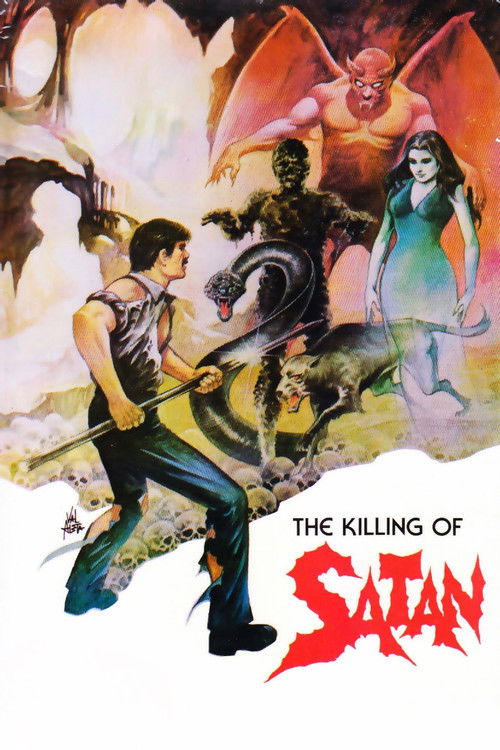
The Killing of Satan
1983
No user ratings available yet
Representation score: 2.0 out of 10
Representation Score
Limited
1976
PGDirector
Rubén Galindo, Jaime Jiménez Pons
Runtime
85 minutes
Average Rating
No ratings yetNew Showbiz Analysis
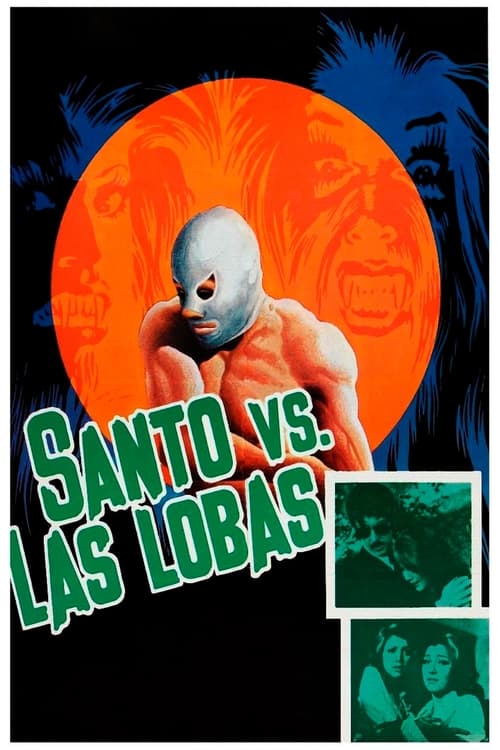
Santo vs. the She-Wolves functions primarily as a celebration of Mexican pop-culture iconography. It leans heavily into established genre clichés, specifically the superheroic defender and the monster movie, which tend to reinforce conventional social hierarchies. While the film provides visibility for non-Western identities through its cultural centering and cast, it lacks progressive narrative depth. The representation of women is largely confined to antagonistic, supernatural roles common in the horror genre. Ultimately, the film serves as a traditional genre piece. It prioritizes spectacle and the preservation of a national icon over the deconstruction of institutional or social norms.
Category Breakdown
The film does not include any LGBTQ+ characters or narratives. It follows a traditional 1970s Mexican action-horror framework that aligns with conventional social structures.
Female characters play central roles as the 'She-Wolves' antagonists. However, their influence is tied to supernatural horror themes rather than challenging gender hierarchies.
The film centers on Mexican identity and the lucha libre tradition, providing significant non-Western representation through a predominantly non-Anglo-Saxon cast.
The story emphasizes Mexican folklore and the mythos of the luchador. The protagonist acts as a traditional moral authority defending the social order.
There is no documented evidence regarding the portrayal of visible or invisible disabilities within the film.
Present on Screen
Limited or Absent
Official Synopsis
Also known as Santo vs. the She-Wolves
1983
1962
1983
1972
2011
1977

2018
1966
No reviews yet. Be the first to share your thoughts on this movie!
Use the rating form above to leave a star rating and optional review.