
Das Wunder von Berlin
2008
No user ratings available yet
Diversity score: 5.0 out of 10
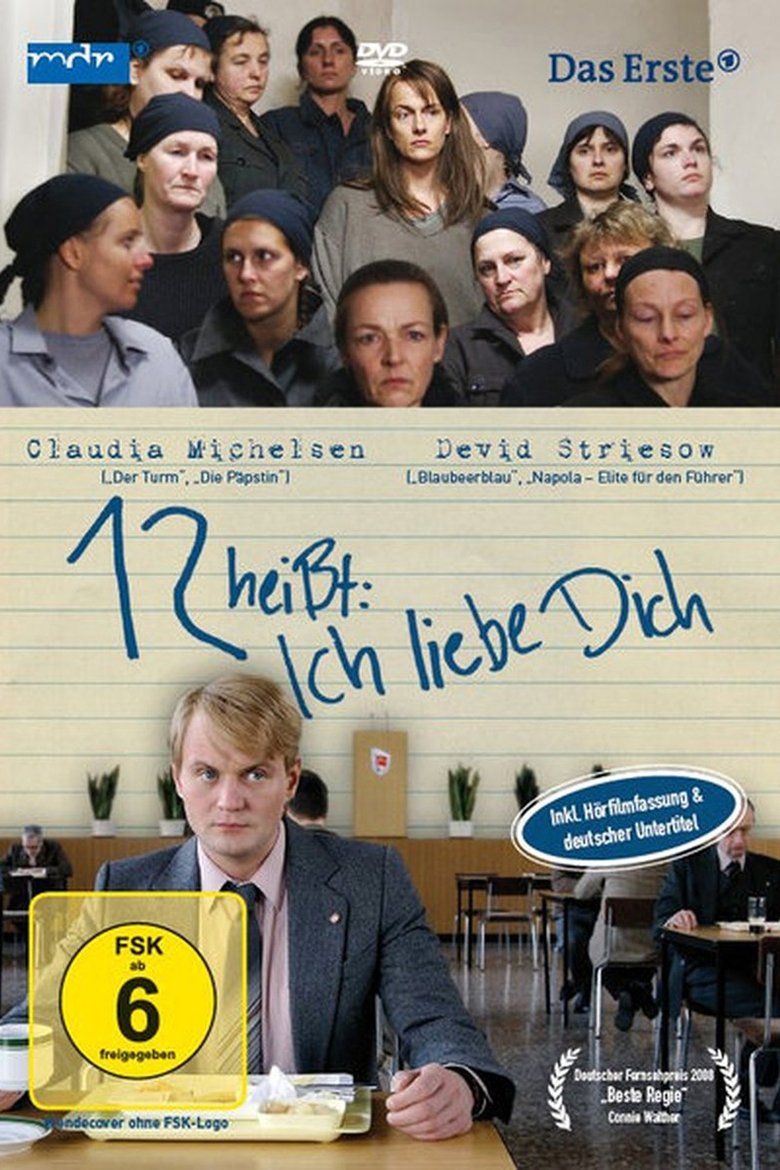
2008
Director
Connie Walther
Runtime
90 minutes
Average Rating
No ratings yetSynopsis
Due to alleged West contacts Bettina is arrested in 1984. Jan is a Stasi officer and expert in interrogation. For half a year, the officer and the dissident sit face to face almost daily, and the unbelievable happens: they fall in love with each other. In a few words and gestures and by means of a numerical code, they communicate. '11 means 'you are beautiful', '12 means 'I love you'. Jan and Bettina are always at risk of their love being discovered.
Overall Score
Fair
Category Breakdown
LGBTQ+ Representation
The story centers on a heterosexual romance between a Stasi officer and a dissident. No queer romantic arcs or non-cisnormative identities are present in the narrative.
Gender Representation
Bettina provides a strong counterpoint to traditional power hierarchies. Her role as a dissident grants her significant moral and intellectual agency despite her interrogation.
Racial & Ethnic Diversity
Set in 1984 East Germany, the film adheres to the demographic realities of the Cold War era. The cast appears ethnically homogeneous due to the historical setting.
Religious & Cultural Diversity
The film critiques state institutions by framing the Stasi as an oppressive force. It prioritizes individual emotional truth over institutional loyalty and systemic control.
Disability Representation
The narrative contains no mention of characters navigating physical, neurodivergent, or mental health disabilities.
Strengths
Areas for Improvement
AI Analysis
The film is a focused psychological drama that prioritizes political subversion over demographic variety. It succeeds in portraying individual agency against a monolithic state structure, specifically through the resilience of its female lead. However, the work lacks intersectional breadth. The historical setting limits racial and LGBTQ+ representation, resulting in a narrative that follows a standard heteronormative and ethnically homogeneous framework. Ultimately, the film's strength lies in its critique of oppressive institutions rather than its diversity of identity.
2008
1973

1988
1981

1989

2002

2002

2022

2010

1989

2001

2008
No reviews yet. Be the first to share your thoughts on this movie!
Use the rating form above to leave a star rating and optional review.