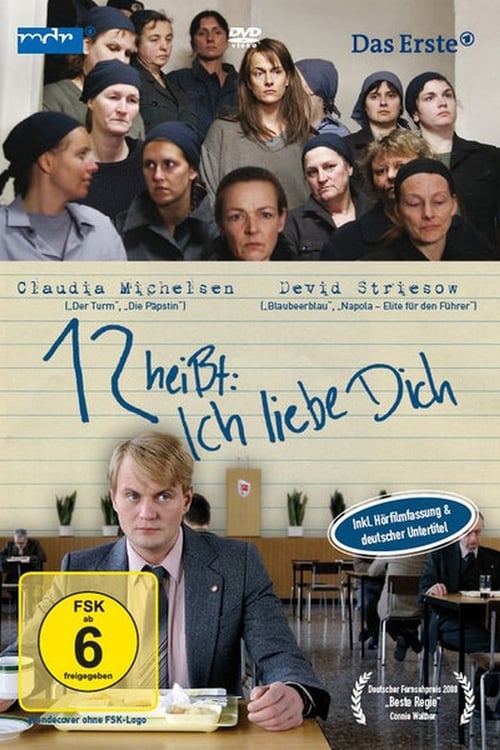
12 heißt: Ich liebe Dich
2008
No user ratings available yet
Diversity score: 5.2 out of 10
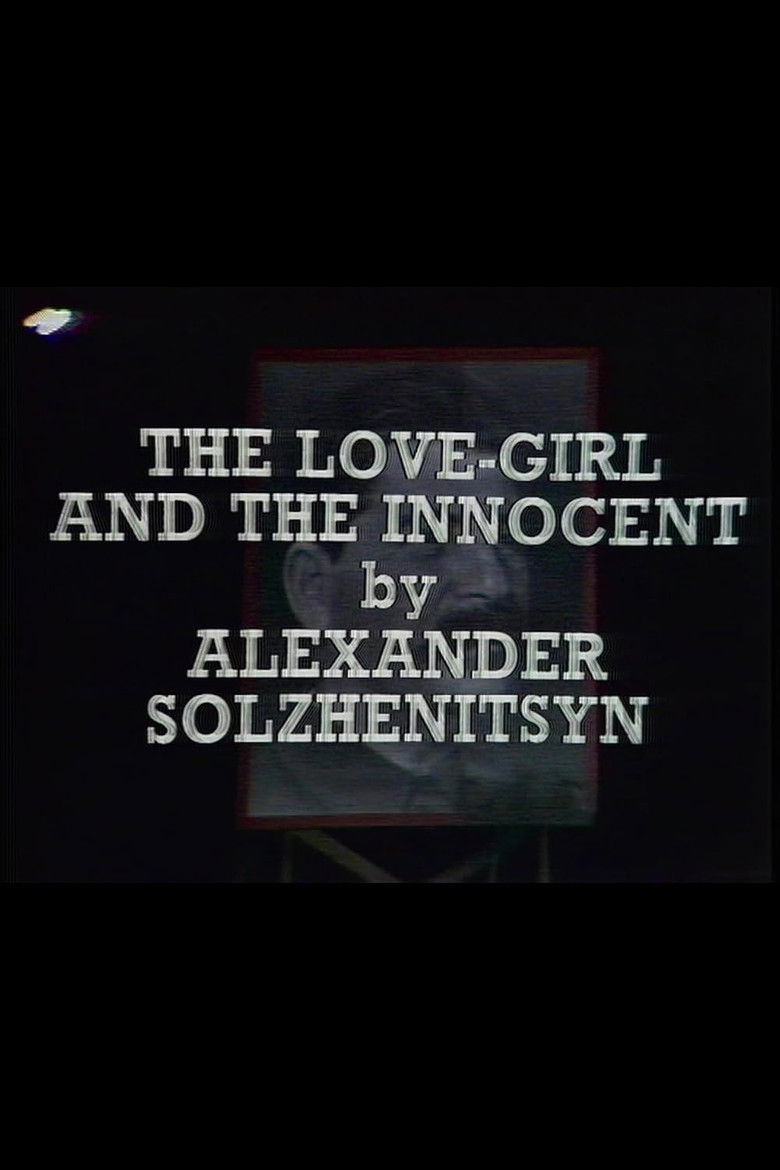
1973
Director
Alan Clarke
Runtime
127 minutes
Average Rating
No ratings yetSynopsis
The prisoner Nemov is an honest man serving ten years for violations of Article 58. Nemov falls in love with Lyuba, who is having sex with the camp doctor Mereshchun, in exchange for better food and living conditions.
Overall Score
Good
Category Breakdown
LGBTQ+ Representation
The narrative focuses on heteronormative transactional dynamics. There is no explicit evidence of non-cisnormative identities or same-sex intimacy within the story.
Gender Representation
Lyuba utilizes sexual agency as a tool for survival, disrupting tropes of submissive femininity. However, the relationships remain anchored in conventional gendered power exchanges.
Racial & Ethnic Diversity
The setting is tied to a specific Eastern European context. The score reflects an ethnic homogeneity consistent with the Soviet-era source material.
Religious & Cultural Diversity
The film offers a strong critique of systemic corruption and state-driven dehumanization. It prioritizes situational ethics over traditional moral or patriotic ideals.
Disability Representation
There is no discernible evidence regarding the portrayal of physical or neurodivergent disabilities in this adaptation.
Strengths
Areas for Improvement
AI Analysis
The film serves as a gritty study of institutional friction and survival. It succeeds by interrogating how individuals navigate systemic oppression through morally complex agency. The narrative avoids simple moral binaries, focusing instead on the dehumanizing effects of the penal system. While the film excels at cultural critique, it lacks breadth in other areas of representation. The focus remains tightly bound to the specific ethnic and heteronormative context of the original novel. Ultimately, the work is a nuanced exploration of power. It uses the setting of a Soviet labor camp to deconstruct traditional social hierarchies and the morality of state institutions.
2008
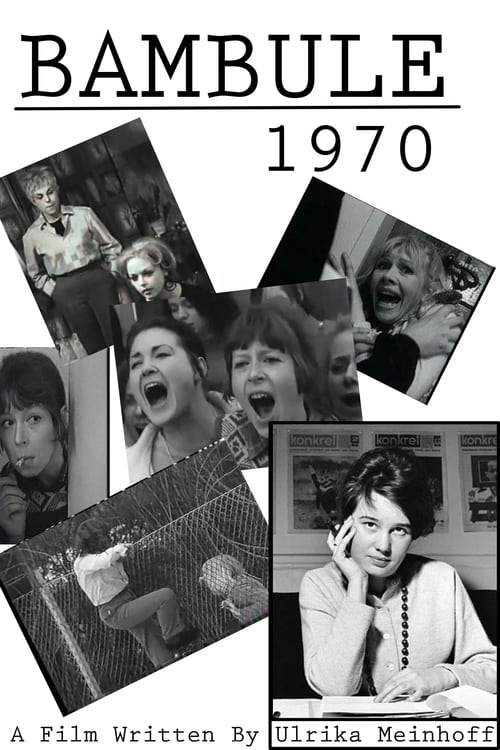
1970

1990

1981
No reviews yet. Be the first to share your thoughts on this movie!
Use the rating form above to leave a star rating and optional review.