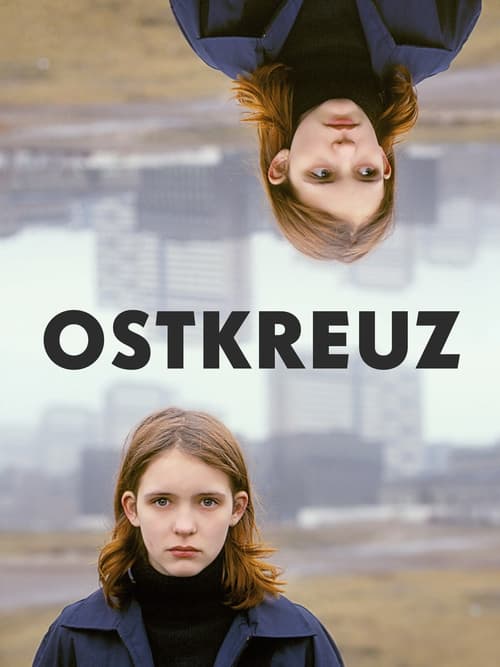
Eastern Cross
1991
No user ratings available yet
Diversity score: 4.9 out of 10
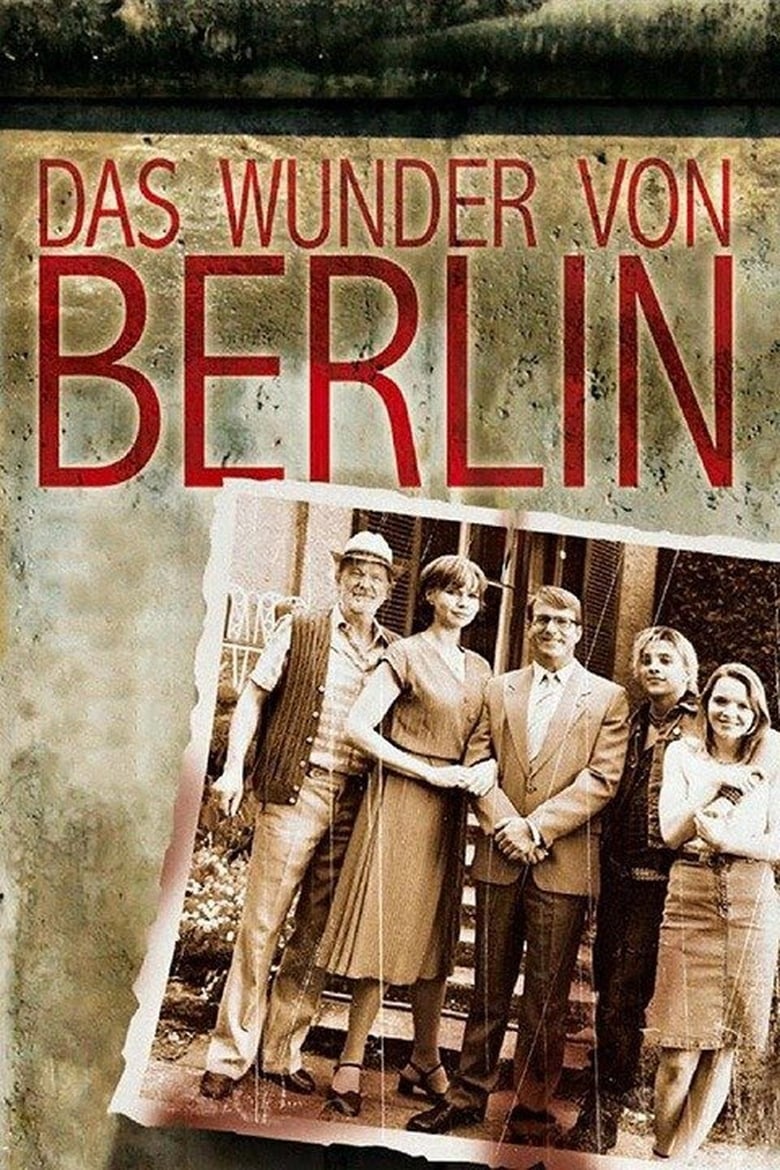
2008
Director
Roland Suso Richter
Average Rating
No ratings yetSynopsis
East Germany, 1988: working as a state security service agent, Jürgen Kaiser is loyal to the party line, but worried about his son Marco, a punk. As he is arrested after a concert, Marco is forced to join the army, where he surprisingly identifies with socialism and believes he has to defend his country against the capitalist enemy. While Jürgen is astonished, his wife Hanna and Marco's girlfriend Anja, supporting the civil rights movement, don't like his new attitude...
Overall Score
Fair
Category Breakdown
LGBTQ+ Representation
The story centers on the friction between state security and punk subcultures. While these subcultures represent social rebellion, there is no explicit documentation of LGBTQ+ characters or same-sex intimacy.
Gender Representation
Female characters Hanna and Anja serve as the ideological vanguard. They act as active participants in the civil rights movement rather than passive domestic anchors, challenging state-aligned masculinity.
Racial & Ethnic Diversity
The cast reflects the demographic homogeneity of 1988 East Germany. The lack of racial diversity is a reflection of the historical setting's social reality rather than a narrative choice.
Religious & Cultural Diversity
The film critiques institutional power by centering on the tension between state security and civil rights. It portrays the punk identity and individual liberty as sites of resistance against authority.
Disability Representation
There is no specific evidence regarding the depiction of physical or neurodivergent disabilities in the available data.
Strengths
Areas for Improvement
AI Analysis
Das Wunder von Berlin is a period drama that prioritizes ideological conflict over demographic breadth. It succeeds in subverting traditional gender roles by placing women at the forefront of political activism. However, the film remains limited by its historical setting, resulting in low scores for racial and LGBTQ+ representation. The narrative adheres to the demographic homogeneity of the late-era GDR. Ultimately, the film's strength lies in its cultural critique. It uses subcultures and civil rights movements to challenge centralized authority and the stability of the established political order.
1991
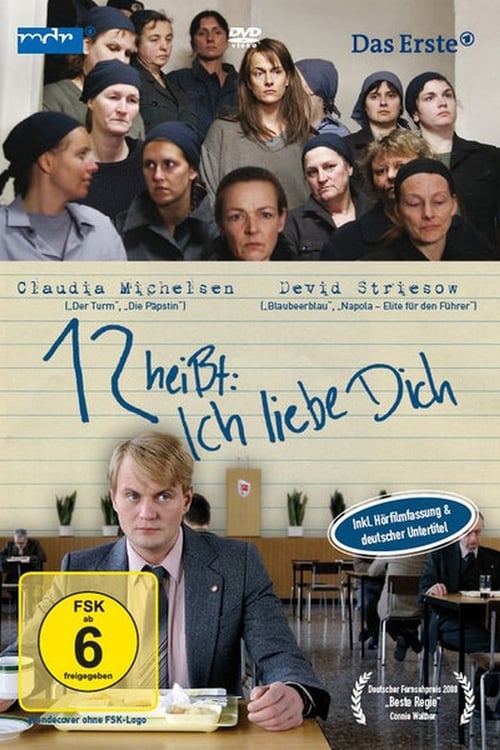
2008

2013
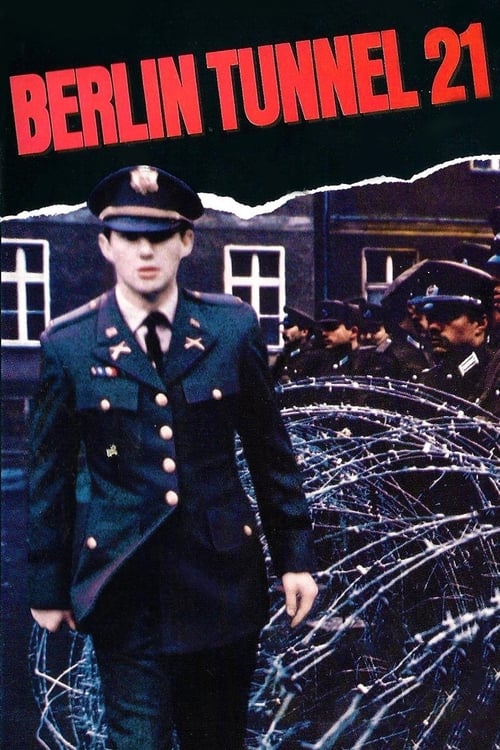
1981

1988
2022

2010
No reviews yet. Be the first to share your thoughts on this movie!
Use the rating form above to leave a star rating and optional review.