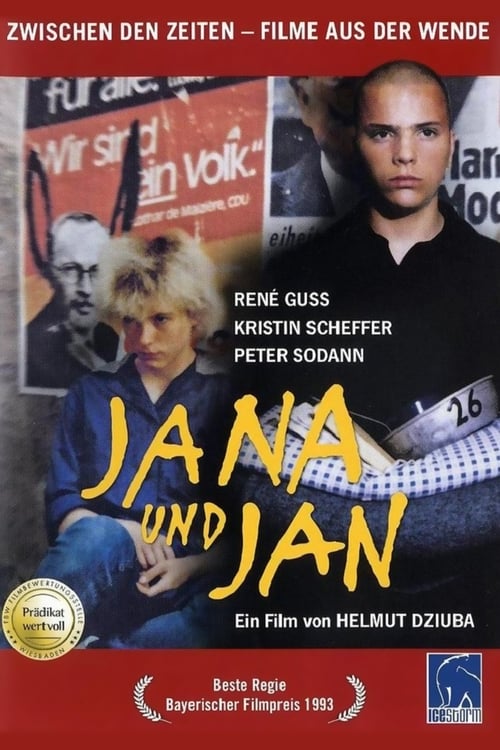
Jana and Jan
1992
No user ratings available yet
Representation score: 4.4 out of 10
Representation Score
Fair
1992
Director
Heiner Carow
Runtime
104 minutes
Average Rating
No ratings yetNew Showbiz Analysis
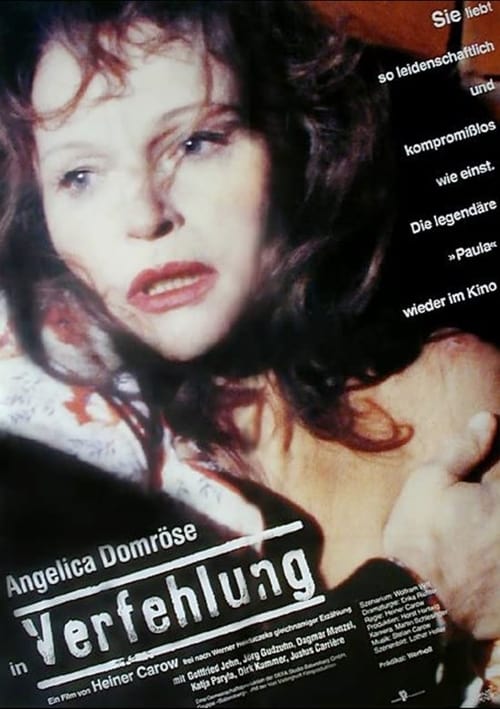
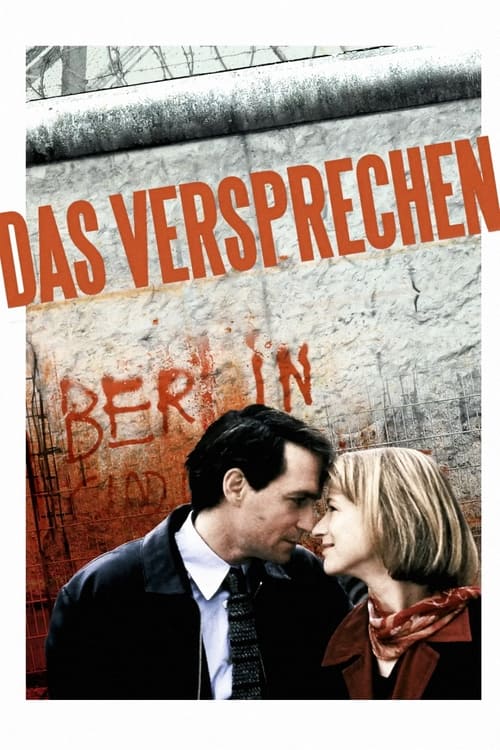
The Mistake is a specialized drama that prioritizes political and gendered themes over broader demographic diversity. It succeeds as a critique of systemic intrusion, using a cross-border romance to highlight the artificiality of geopolitical borders. While the film lacks LGBTQ+ or racial diversity, it provides a progressive look at female empowerment. Elisabeth’s decisive response to state oppression moves her beyond the role of a passive victim. Ultimately, the film's value lies in its skepticism toward centralized authority and its focus on individual ability to act within a surveillance-heavy landscape.
Category Breakdown
The film focuses on the romantic tension between Jacob and Elisabeth. There is no evidence of LGBTQ+ identities or queer-coded subtext in the story.
Elisabeth is a strong, proactive character who seeks revenge against those who interfere with her life. She challenges traditional damsel-in-distress clichés.
The film reflects the demographic homogeneity of late 1980s East German cinema. It emphasizes the ideological divide between East and West without highlighting racial or ethnic diversity.
The film offers a critical look at institutional power and the Stasi. It explores the conflict between personal truth and the rigid authority of the state.
There is no evidence of characters with visible or invisible disabilities being used as central plot devices or portrayed with specific ability to act.
Present on Screen
Limited or Absent
Official Synopsis
It is 1988. Jacob, from Hamburg in West Germany, falls in love with Elisabeth in East Germany. When they secretly meet in East Berlin, it seems the Stasi (secret police) knows about it. When Jacob visits her village, someone informs on him and he is deported. Elisabeth knows who begrudges her this love and takes her revenge. Critics note that in this film, director Heiner Carow revisits the themes of his 1972 smash hit, The Legend of Paul and Paula, which became a cult film throughout Germany.
1992

2007
1985

1975

2008
2000
1995
2001
No reviews yet. Be the first to share your thoughts on this movie!
Use the rating form above to leave a star rating and optional review.