The House I Live In
2012
No user ratings available yet
Representation score: 7.5 out of 10
Representation Score
Good
2013
Director
Paul Feine
Runtime
67 minutes
Average Rating
No ratings yetNew Showbiz Analysis
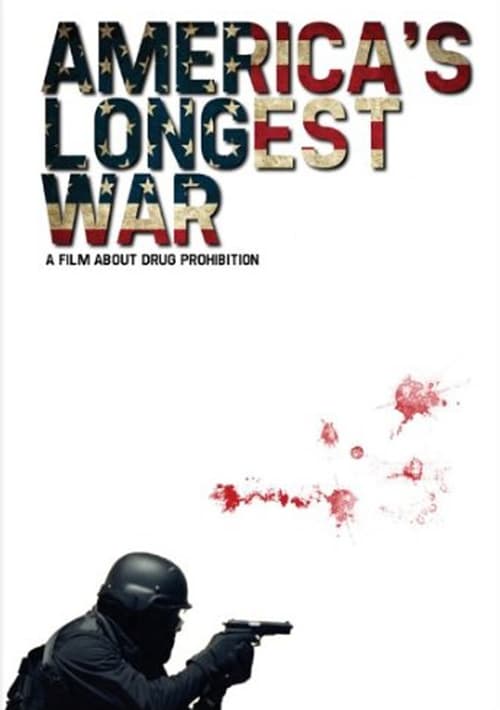
America's Longest War serves as a critical examination of institutional power and state-led enforcement. It shifts the focus away from traditional national security narratives toward the systemic harm to underrepresented groups. The documentary's strength lies in its broad international perspective and its challenge to Western hegemony. By highlighting the human costs in Mexico and the economic waste of the drug war, it offers a necessary counter-narrative to mainstream policy perspectives. However, the film's emphasis on systemic critiques means it lacks specific character-driven data regarding LGBTQ+ or disability representation. The narrative is driven more by policy critique than by individual identity-based storytelling.
Category Breakdown
The film focuses on the impact of drug policies rather than specific LGBTQ+ stories. There are no explicit character arcs related to LGBTQ+ identities.
The narrative emphasizes systemic critiques rather than traditional gender roles. It challenges the 'heroic officer' cliché by focusing on the human cost of policies rather than masculine law-enforcement archetypes.
The documentary highlights the disproportionate impact of drug prohibition on non-Anglo-Saxon populations. It showcases violence in Mexico and the incarceration of non-violent offenders to challenge Western-centric security views.
The film deconstructs traditional Western institutions by presenting US drug policy as flawed. It portrays law enforcement institutions as drivers of violence, challenging the idea that they are inherently virtuous.
There is no specific evidence regarding the portrayal of neurodivergence or physical disabilities in this work.
Present on Screen
Limited or Absent
Official Synopsis
AMERICA'S LONGEST WAR is a documentary about the extraordinary costs of the US government's 40-year war on drugs. Drug prohibition has failed. Drug usage rates have not declined, and illegal drugs are more available-and cheaper-than ever before. At the same time, the costs of the drug war are staggering. More than $1 trillion taxpayer dollars have been spent. More than 50,000 SWAT raids occur each year. Hundreds of thousands of non-violent drug offenders are wasting their lives away in prison at our expense. And more than 60,000 people have been murdered in Mexico over the past six years. AMERICA'S LONGEST WAR tells the stories of some of the victims of the drug war and, more importantly, points to a viable alternative approach to drug policy.
2012
2012
2011

2022

2014

2021
2014
2002
No reviews yet. Be the first to share your thoughts on this movie!
Use the rating form above to leave a star rating and optional review.