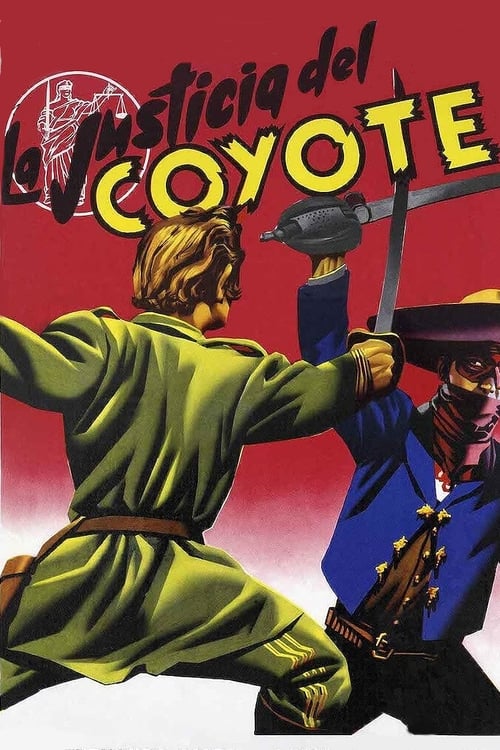
The Coyote's Justice
1956
No user ratings available yet
Diversity score: 4.8 out of 10
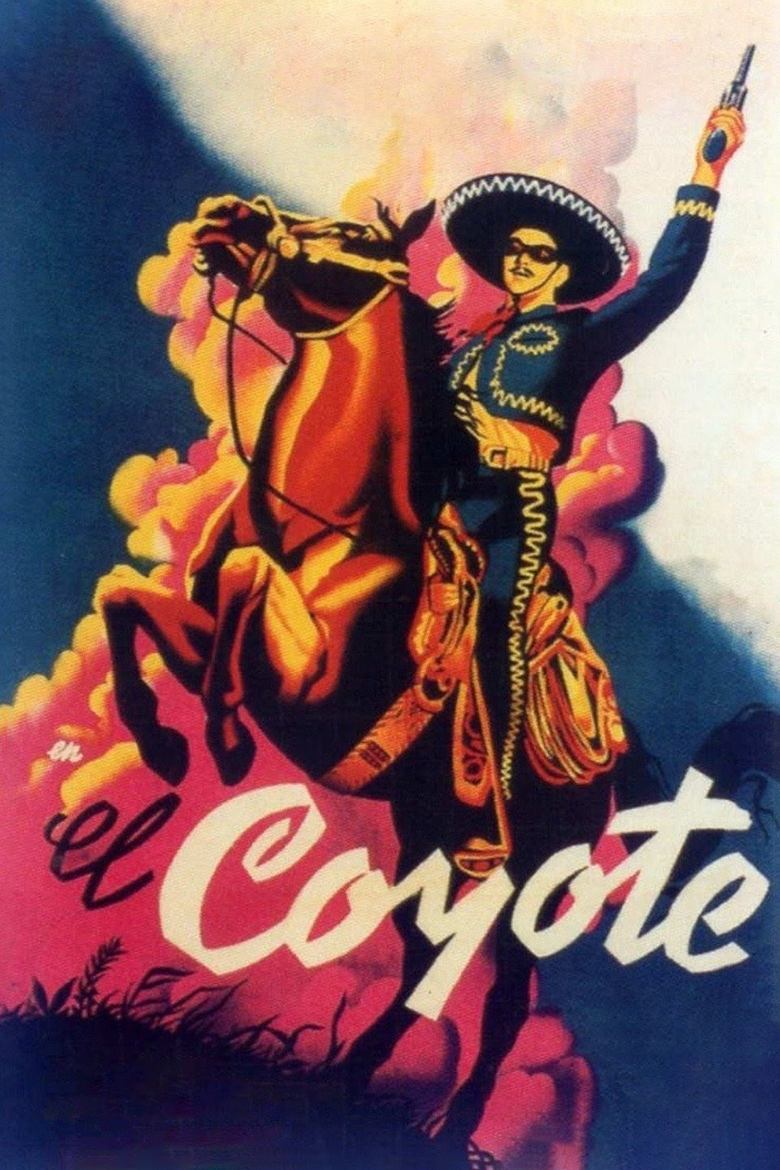
1955
Director
Joaquín Romero Marchent, Fernando Soler
Runtime
74 minutes
Average Rating
No ratings yetSynopsis
California, 1848. An invading army has defeated the few opposing forces and the territory has become part of the United States. Don César de Echagüe, an old gentleman, begs his son César to return from Europe, confident that he will know how to confront the oppressor.
Overall Score
Fair
Category Breakdown
LGBTQ+ Representation
The film lacks any evidence of queer narratives or non-cisnormative identities. It adheres to the heteronormative social structures common in mid-century Western dramas.
Gender Representation
Agency is concentrated in male protagonists, focusing on patriarchal lineage and the transfer of responsibility from father to son. This reinforces traditional masculine leadership and familial hierarchies.
Racial & Ethnic Diversity
Set during California's transition to U.S. control, the film explores ethnic friction and displacement. Local populations hold central agency when confronting the invading force.
Religious & Cultural Diversity
The story explores resistance to foreign imposition and territorial loss. However, these themes are framed through classical notions of honor and familial duty.
Disability Representation
There is no documented evidence of characters with visible or invisible disabilities playing a central role in the narrative arc.
Strengths
Areas for Improvement
AI Analysis
The film serves as a period drama centered on the geopolitical shifts of 1848 California. It provides a nuanced look at ethnic identity by positioning local characters against an external occupying power, offering a degree of agency to the displaced population. However, the narrative remains deeply rooted in the social hierarchies of its era. The focus on patriarchal continuity and traditional heroism limits its scope regarding gender and intersectional representation. Ultimately, while the film engages with anti-imperialist sentiments, it does so through a classical dramatic lens rather than a modern deconstruction of power structures.
1956
1961

1966

1960
1945

1936
2021

2011

1959
1965
1961

2023
No reviews yet. Be the first to share your thoughts on this movie!
Use the rating form above to leave a star rating and optional review.