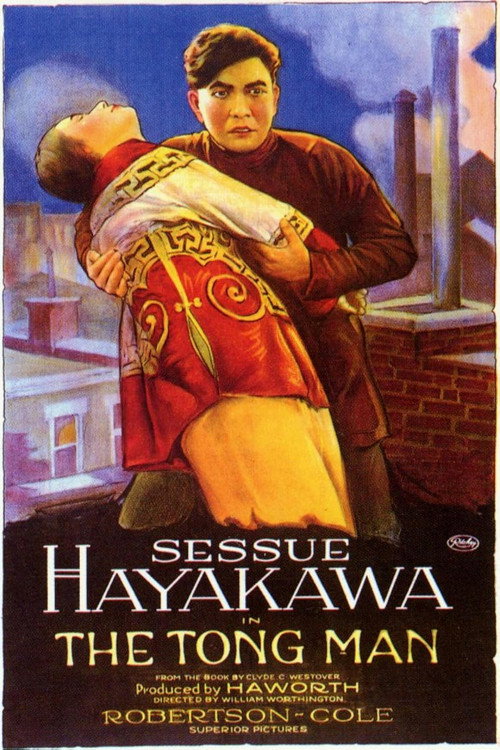
The Tong Man
1919
No user ratings available yet
Representation score: 4.1 out of 10
Representation Score
Limited
1962
NRDirector
Albert Zugsmith
Runtime
85 minutes
Average Rating
No ratings yetNew Showbiz Analysis
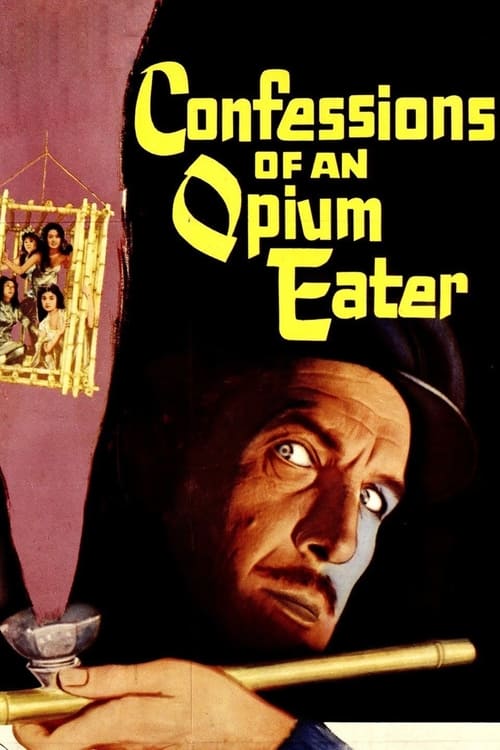
Confessions of an Opium Eater is a traditional mid-century character study that emphasizes individual psychological exploration over diverse representation. The narrative centers around a white male protagonist, adhering to the social hierarchies of the early 1960s. While the film steers clear of simplistic moralistic clichés by delving into the complexities of addiction, it falls short in providing meaningful representation for women and people of color. The Chinatown setting offers potential for diverse storytelling that the film does not fully exploit. Overall, the film serves as a subjective, dream-like experience centered on a white male protagonist, leaving little space for varied perspectives or systemic critiques.
Category Breakdown
The film follows the straight-centered norms of its time. It focuses mainly on the protagonist's internal thoughts and heterosexual relationships.
This is a male-focused character study where women play secondary roles, serving mostly as catalysts for the protagonist's emotional journey. Female characters have limited influence and are overshadowed by the main male storyline.
The film features a predominantly white cast despite being set in Chinatown. There is no significant effort to highlight characters of color to challenge the social norms of the period.
The film presents a nuanced view of morality by examining addiction through intellectual complexity rather than simple moral judgments. However, it does not explicitly address systemic power structures.
Addiction and psychological issues are used as surreal plot devices, more so for stylistic purposes than as realistic representations of mental health.
Present on Screen
Limited or Absent
Official Synopsis
Vincent Price stars in this early '60s adaptation of Thomas De Quincey's thriller about an opium addict trying to solve a mystery in San Francisco's Chinatown.
1919

1974
1971

1955
1957

1995
1964

1982
No reviews yet. Be the first to share your thoughts on this movie!
Use the rating form above to leave a star rating and optional review.