The Tong Man
1919
No user ratings available yet
Representation score: 4.1 out of 10

Representation Score
Good
1964
Director
Lee Man-hee
Runtime
105 minutes
Average Rating
No ratings yetNew Showbiz Analysis
Lee Man-hee's crime drama offers a compelling look at power dynamics through its female protagonist. Yeon-shil breaks the mold of the passive victim, instead using her resources to navigate a dangerous criminal landscape. However, the film remains anchored in the conventions of its era. The representation of addiction is more archetypal than empathetic, and the social landscape is culturally homogenous, reflecting the specific regional context of 1960s South Korea. Ultimately, the film excels in challenging gender stereotypes but falls short in providing multi-layered depth or diverse identity representation.
Category Breakdown
The story revolves around illicit affairs and scandals, but the relationships adhere to traditional heterosexual norms rather than exploring diverse gender identities.
Yeon-shil exhibits significant influence by leveraging her financial resources to manage her past. She navigates a patriarchal criminal world through strategic, transactional interactions.
The film showcases a culturally homogeneous cast typical of 1960s South Korean cinema. It focuses on local social hierarchies rather than a blend of global demographics.
The narrative delves into urban vice and moral ambiguity through crime and addiction. It leans heavily on noir clichés rather than critiquing institutional systems.
Man-ho's opium addiction primarily serves as a plot device for blackmail. The film portrays his condition more as a character flaw than a nuanced health issue.
Present on Screen
Limited or Absent
Official Synopsis
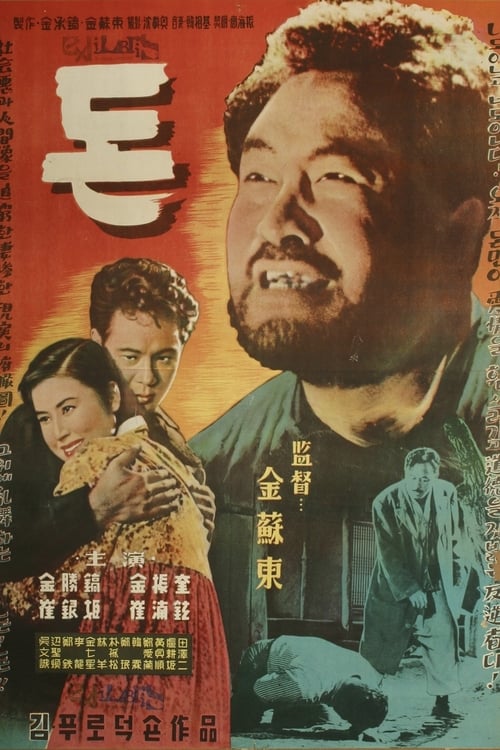
Yeon-shil is the lover of crime boss Dong-il. She pays off one of the boss's henchmen, Man-ho, with whom she once had an affair; Man-ho is an opium addict, and he has been blackmailing Yeon-shil by threatening to disclose their past relations.
1919

1995
1957

1952
1958
1960

1980
1953
No reviews yet. Be the first to share your thoughts on this movie!
Use the rating form above to leave a star rating and optional review.