Sergei Parajanov, The Exile
2009
No user ratings available yet
Representation score: 8.3 out of 10
Representation Score
Excellent
2019
Director
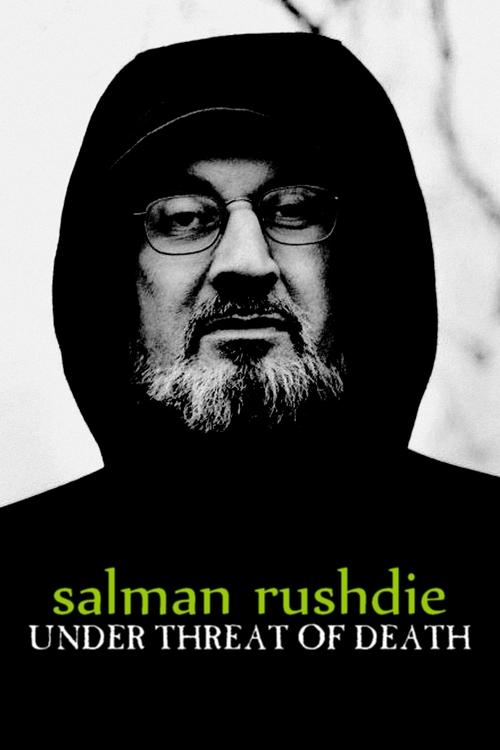
William Karel
Runtime
55 minutes
Average Rating
No ratings yetNew Showbiz Analysis
William Karel’s documentary succeeds by centering a non-Western intellectual within a global political context. By prioritizing the perspective of a diaspora author, the film complicates traditional Western biographical structures and highlights the tension between multiculturalism and traditionalist hierarchies. The work is most impactful in its exploration of post-colonial identity and its robust defense of individual ability to act against systemic religious pressure. It uses Rushdie's experiences to bridge Eastern and Western cultural identities effectively. However, the film lacks explicit engagement with LGBTQ+ or disability-specific narratives. The focus remains tightly centered on the intersection of political violence, secularism, and the author's personal intellectual journey.
Category Breakdown
The documentary does not emphasize LGBTQ+ narratives or same-sex relationships. It maintains a neutral stance towards queer identities.
The film highlights the intellectual role of Salman Rushdie. While it delves into his struggles against patriarchal structures, it does not offer a wide range of gendered perspectives.
The narrative stands out by focusing on an Indian-British author, challenging Anglo-centric biographical norms. It effectively showcases the complexities of the Indian diaspora and multicultural life in Bombay.
The film offers a nuanced critique of religious fundamentalism. It portrays the fight for creative freedom as a defense of secularism against oppressive religious institutions.
The film does not significantly address physical or neurodivergent disabilities. It treats the psychological impact of political violence as a situational response rather than a disability identity.
Present on Screen
Limited or Absent
Official Synopsis
An intimate portrait, in his own words, of the Indian writer Salman Rushdie, author of The Satanic Verses (1988), thirty years after the fatwa uttered by the Iranian Ayatollah Khomeini: his youth in multicultural Bombay, his life in England, his many years of forced hiding, his thoughts on President Trump's United States of America.
2009
2011

2020
1985
2014
2020
2018
2014
No reviews yet. Be the first to share your thoughts on this movie!
Use the rating form above to leave a star rating and optional review.