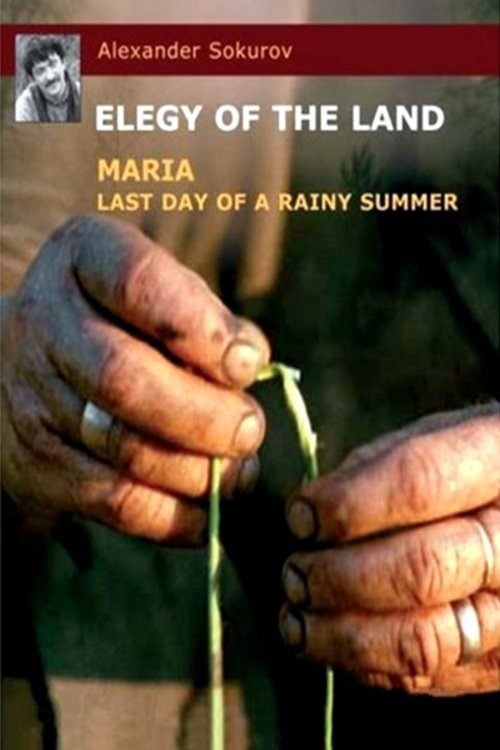
Maria
1988
No user ratings available yet
Representation score: 2.7 out of 10
No Poster Available
Representation Score
Excellent
2009
Director
Fotos Lambrinos
Runtime
35 minutes
Average Rating
No ratings yetNew Showbiz Analysis
The documentary serves as a crucial archive of an artist resisting systemic constraints. Its main strength lies in rejecting a monolithic Soviet identity, highlighting the complex ethnic realities of the Caucasus and Eastern Europe. While the film excels in documenting ethnic struggles and the tension between individuals and the state, it remains confined by its narrow biographical focus. The narrative structure is heavily centered on the male experience, offering little space for diverse gender perspectives. Ultimately, the film is a study of cultural autonomy. It uses Parajanov's life to critique centralized authority and the erasure of minority identities, even if it does not center queer or female narratives explicitly.
Category Breakdown
The film hints at non-traditional identities through the subtext of Parajanov's life under strict Soviet systems. It emphasizes artistic discussions rather than direct portrayals of queer relationships.
The story centers around the male experience of the artist and political prisoner. It lacks significant roles for women or challenges to traditional masculine roles.
The documentary shines by exploring the diverse backgrounds of an Armenian filmmaker working in Georgia and Ukraine. It highlights the intricate mix of Caucasian and Eastern European ethnicities.
The film challenges the monolithic Soviet narrative by showing the state as an oppressive force. It celebrates the preservation of cultural identity against systemic erasure and political doctrine.
The film candidly presents Parajanov's physical decline during his final months. It avoids clichés by depicting declining health as a tragic part of his life.
Present on Screen
Limited or Absent
Official Synopsis
Sergei Paradjanov, the great Soviet filmmaker of Armenian origin who was born and grew up in Tbilisi, Georgia, studied film in Moscow and worked for many years in Ukraine, talks on camera to Fotos Lamprinos about his life, his films, and events in the USSR under Gorbachev’s Perestroika, a few short months before he died and while the state of his health was already deteriorating. The film includes rare footage of the massacre of Georgian civilians by the Soviet Army in April 1989 and unpublished material from the Ukrainian prison in which Paradjanov served his sentence.
1988
2011
1992
2012
1995
2004
1994
1987
No reviews yet. Be the first to share your thoughts on this movie!
Use the rating form above to leave a star rating and optional review.