The Saltmen of Tibet
1997
No user ratings available yet
Representation score: 3.5 out of 10
Representation Score
Good
2006
Director
Ben Hopkins
Runtime
73 minutes
Average Rating
No ratings yetNew Showbiz Analysis
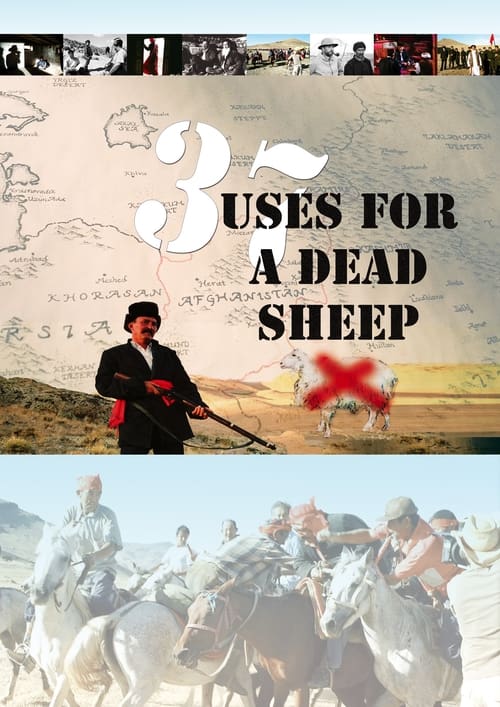
Ben Hopkins delivers a significant piece of ethnographic media that challenges the dominance of globalized culture. By documenting the survival strategies of the Pamir Kirghiz, the film disrupts conventional expectations of modernity and provides a platform for a community often rendered invisible by mainstream historical narratives. The film's strength lies in its ability to center a nomadic population navigating complex geopolitical shifts. It moves beyond a Western-centric gaze to highlight the friction between indigenous tradition and encroaching global forces. While the film provides deep ethnic and cultural insight, it lacks explicit engagement with LGBTQ+ identities or disability representation. The focus remains strictly on the preservation of Kirghiz heritage and traditional survival methods.
Category Breakdown
The film does not focus on LGBTQ+ themes but instead centers on communal and ancestral traditions within the Kirghiz community.
The documentary likely explores social roles and labor divisions within the Kirghiz community, offering visibility into how women maintain domestic and cultural continuity.
This film excels by centering a non-Western ethnic group. It grants high ability to act to the Kirghiz people as they navigate migration and geopolitical pressures.
The narrative critiques how globalization threatens indigenous sovereignty. It prioritizes the subjective reality of a displaced people over a Westernized modern perspective.
There is no evidence that disability or neurodivergence are central themes or utilized as plot devices in this documentary.
Present on Screen
Limited or Absent
Official Synopsis
To preserve their culture, the Pamir Kirghiz people have migrated across Central Asia from the U.S.S.R to China to Afghanistan to Pakistan and finally to remote eastern Turkey, but now they face the most serious threat to their traditions, globalization.
1997
2004
2017

2010
2010
2006
2016
1995
No reviews yet. Be the first to share your thoughts on this movie!
Use the rating form above to leave a star rating and optional review.