
Story of a Cloistered Nun
1973
No user ratings available yet
Diversity score: 5.5 out of 10
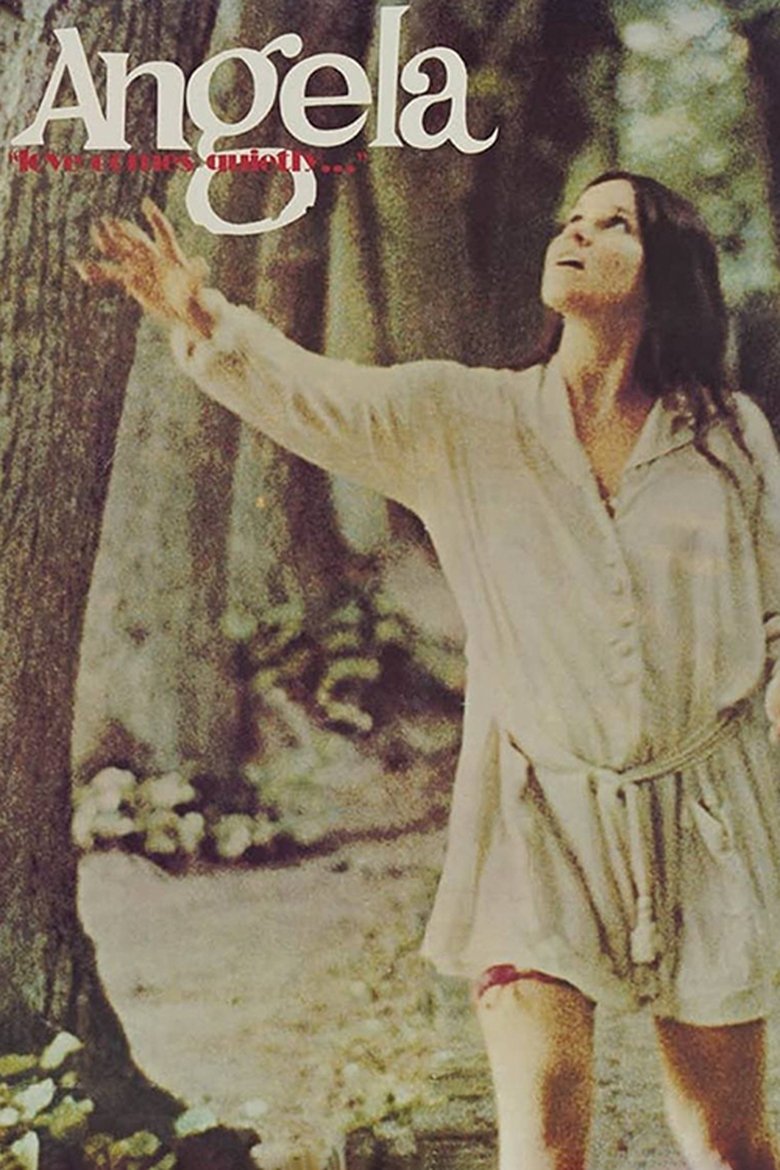
1973
RDirector
Nikolai van der Heyde
Runtime
113 minutes
Average Rating
No ratings yetSynopsis
The story of a free-spirited girl who was born in the wrong place at the wrong time. In the 1920s, even the somewhat more tolerant people of the Netherlands (relative to the rest of Europe) did not easily suffer the open flouting of the rules of society. Cheerful and optimistic, Angela (Barbara Hershey) defied the conventions of her conservative Dutch family by traipsing about the countryside with her lover, living on what turned up each day. However, even for the sunniest of optimists such an idyll can have tragic consequences.
Overall Score
Fair
Category Breakdown
LGBTQ+ Representation
The film focuses on a romantic relationship between Angela and a male lover. There is no explicit evidence of non-heteronormative identities or LGBTQ+ characters within the narrative.
Gender Representation
Angela serves as the primary driver of the plot, rejecting domestic expectations and conservative constraints. Her agency disrupts traditional hierarchies by prioritizing her own spirit over submissive social roles.
Racial & Ethnic Diversity
Set in the 1920s Netherlands, the story depicts a homogeneous Dutch social structure. The film lacks racial intersectionality and shows no evidence of a diverse or non-white cast.
Religious & Cultural Diversity
The narrative critiques traditional Western institutions and rigid social mores. It portrays the conservative family unit as a restrictive force that can lead to tragic consequences for the individual.
Disability Representation
There is no mention of characters with visible or invisible disabilities. Consequently, no representation of disability is present in the story.
Strengths
Areas for Improvement
AI Analysis
Angela - Love Comes Quietly succeeds in centering female agency, presenting a protagonist who actively defies the restrictive social codes of the 1920s. The film effectively uses its period setting to critique the suffocating nature of traditional Dutch social structures. However, the film is limited by the historical homogeneity of its era. The lack of racial diversity and the absence of LGBTQ+ representation result in a narrow social scope that lacks intersectional depth. Ultimately, while the film offers a strong character study of individualistic rebellion, it remains a product of its time, reflecting a very specific and non-diverse European social landscape.
1973
1959
1967
1981
1970

1971
1971
2020
2005

1973
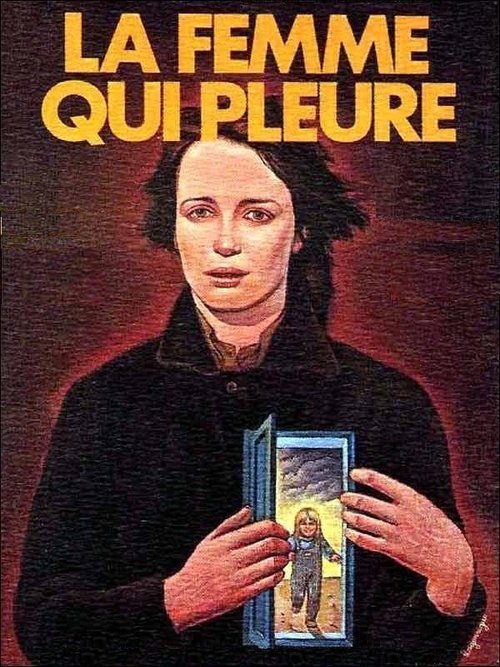
1979
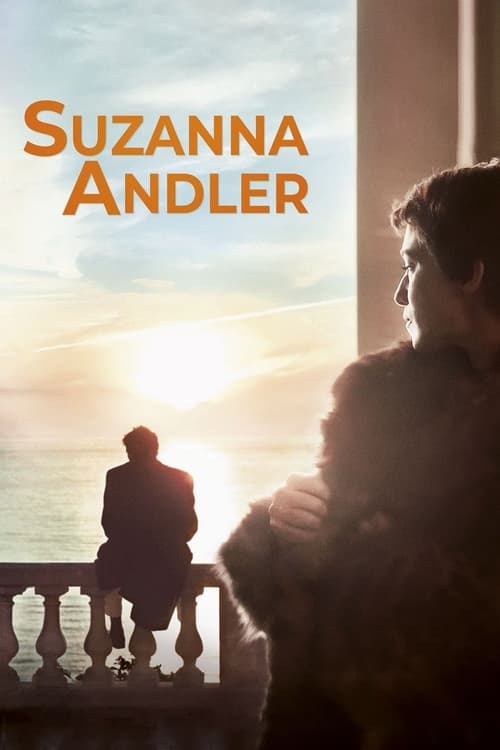
2021
No reviews yet. Be the first to share your thoughts on this movie!
Use the rating form above to leave a star rating and optional review.