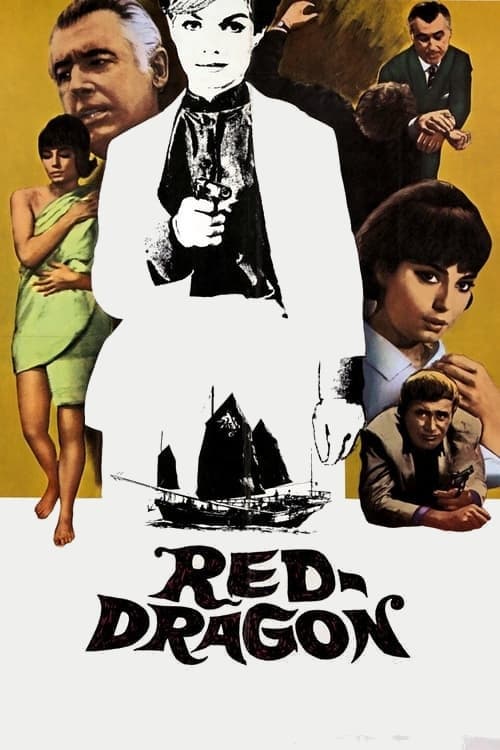
Red Dragon
1965
No user ratings available yet
Diversity score: 3.2 out of 10

1986
Director
Venyamin Dorman
Runtime
137 minutes
Average Rating
No ratings yetSynopsis
Operation "Resident", which lasted 15 years, is coming to an end. But the indestructible agent of "Nadezhda" has one important mission left. Agent Carl Brockmann, who intends to steal the work of Academician Nikolai Nesterov in the defense sector, has been abandoned in the USSR. KGB leadership asks Mikhail Tulyev to return to the Soviet Union to find the spy. Meanwhile, Brockmann recruits former fascist collaborator Mikhail Kutepov for involvement in a dangerous operation.
Overall Score
Limited
Category Breakdown
LGBTQ+ Representation
The film lacks LGBTQ+ characters or narratives. The espionage plot focuses on geopolitical conflict rather than exploring non-cisnormative identities or same-sex intimacy.
Gender Representation
The story centers on traditional masculine archetypes, specifically male agents and KGB operatives. Female agency is not detailed, suggesting a reinforcement of male-dominated leadership.
Racial & Ethnic Diversity
Diversity is limited to nationality-based distinctions between Western and Soviet actors. The film uses ethnic identity primarily as a proxy for ideological alignment during the Cold War.
Religious & Cultural Diversity
The narrative prioritizes state loyalty and the protection of Soviet academic achievements. It functions as a tool for reinforcing national security and institutional integrity.
Disability Representation
There is no mention of characters with visible or invisible disabilities. No information is available to assess representation in this category.
Strengths
Areas for Improvement
AI Analysis
The film is a product of late-Soviet era action-adventure cinema, prioritizing state-sanctioned narratives over social deconstruction. Its structure relies on traditional geopolitical storytelling and institutional stability. Character development is driven by masculine archetypes and ideological conflict. The focus remains on national security and defense sectors rather than intersectional or progressive identity exploration. Ultimately, the work reinforces conventional hierarchies of the 1980s, offering little room for the subversion of social or gender-based norms.
1965

1987
1986

1982
1970
1968
No reviews yet. Be the first to share your thoughts on this movie!
Use the rating form above to leave a star rating and optional review.