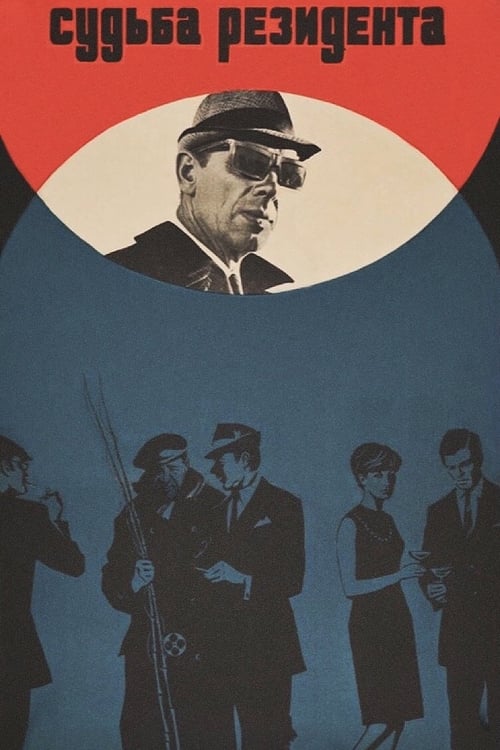
The Secret Agent's Destiny
1970
No user ratings available yet
Representation score: 1.8 out of 10
Representation Score
Minimal
1982
Director
Venyamin Dorman
Runtime
129 minutes
Average Rating
No ratings yetNew Showbiz Analysis
The film operates as a traditional 1980s espionage thriller, focusing on geopolitical tension and institutional hierarchies. The narrative is driven by male protagonists involved in high-stakes intelligence work, adhering to the genre's standard masculine archetypes. While the plot touches on international settings, the focus remains on the Cold War struggle between the KGB and NATO. This framework emphasizes state-sanctioned morality and nationalistic duty rather than diverse or perspectives that reflect multiple aspects of identity. Ultimately, the film functions within a rigid framework of professional duty and revenge, offering little engagement with identity politics or the subversion of traditional social structures.
Category Breakdown
The film does not include any LGBTQ+ characters or non-straight relationships. The story revolves around espionage and geopolitical conflicts.
The story focuses on male-dominated intelligence and military roles, reinforcing traditional masculine archetypes such as spies and mercenaries.
Although the story mentions international settings, it primarily deals with Cold War power struggles. There is no evidence of diverse casting to challenge mainstream narratives.
The narrative emphasizes state loyalty and institutional duty. It follows traditional structures of national service rather than exploring anti-establishment themes.
There are no visible or invisible disabilities mentioned in the character arcs or plot drivers.
Present on Screen
Limited or Absent
Official Synopsis
After returning from the USSR, Tulyev was subjected to rigorous verification of his former "owners". He continues his work in Western intelligence, but already as a Soviet intelligence officer through the First Main Directorate of the KGB of the USSR. In a new capacity, he establishes the whereabouts of Hitler’s criminal Hoffmann, who was once sentenced to death, and helps the authorities arrest him. However, as a result of the conflict within NATO intelligence, Charlie Brighton, Hoffman's assistant, begins to hunt for him. At the same time, Tulyev manages to establish the identity of the murderer of his father, Karl Brockmann, with whom they crossed in the service of mercenaries somewhere in hot countries. He wants revenge, but, by an evil irony of fate, he must help prepare Brockmann for being cast as a spy in the Soviet Union.
1970
1966
1968
1965
1986

1977
1967
1967
No reviews yet. Be the first to share your thoughts on this movie!
Use the rating form above to leave a star rating and optional review.