
The Ipcress File
1965
No user ratings available yet
Representation score: 1.4 out of 10

Representation Score
Minimal
1966
Not RatedDirector
Guy Hamilton
Runtime
102 minutes
Average Rating
No ratings yetNew Showbiz Analysis
Funeral in Berlin is a high-tension geopolitical thriller that prioritizes the mechanics of espionage over social representation. It focuses on institutional conflict rather than identity-based narrative disruption. The film successfully portrays moral ambiguity, challenging the idea of absolute institutional integrity through its depiction of situational ethics. However, it remains firmly rooted in the conventional social and demographic structures of 1960s Western cinema, lacking the intentionality needed to disrupt traditional hierarchies of gender, race, or identity.
Category Breakdown
The film adheres to a traditional framework that assumes everyone is straight or cisgender. There are no depictions of non-traditional gender identities or narratives that question this norm.
Female characters primarily support the main male protagonist's journey, often falling into the 'femme fatale' stereotype. The story does not challenge traditional gender roles.
The cast is mainly composed of white actors, reflecting the homogeneity of the Cold War era. There is a lack of diverse casting or non-white characters driving the plot.
The film presents a nuanced view of institutional corruption by placing characters in a morally ambiguous 'grey zone'. It critiques strict state authority through the tension between East and West Berlin.
There is no representation of physical or neurodivergent disabilities within the main character arcs.
Present on Screen
Limited or Absent
Official Synopsis
Colonel Stok, a Soviet intelligence officer responsible for security at the Berlin Wall, appears to want to defect but the evidence is contradictory. Stok wants the British to handle his defection and asks for one of their agents, Harry Palmer, to smuggle him out of East Germany.
1965

1965
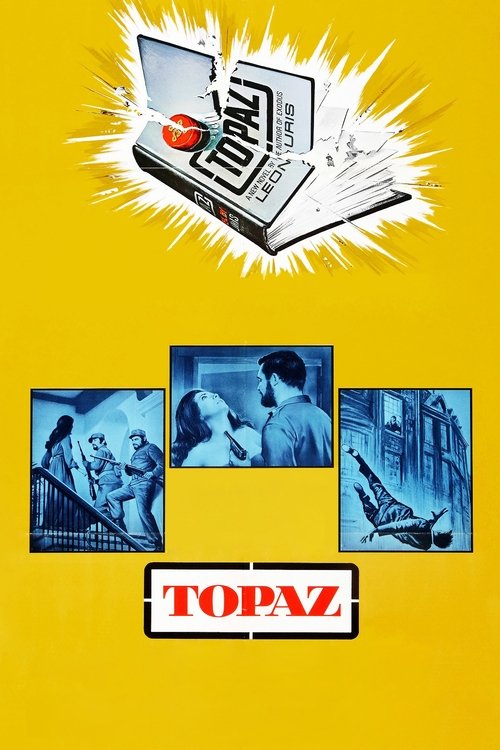
1969

1966
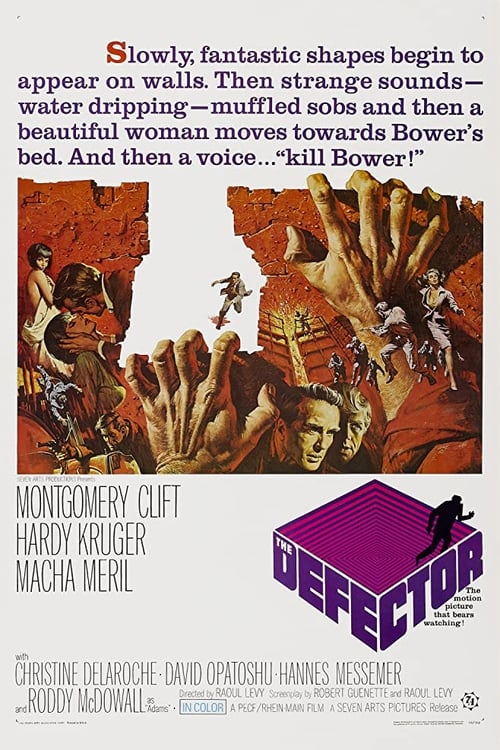
1966

1987
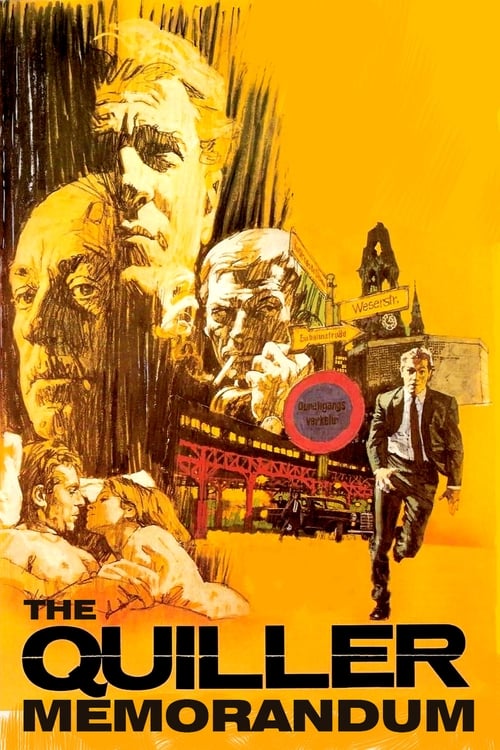
1966
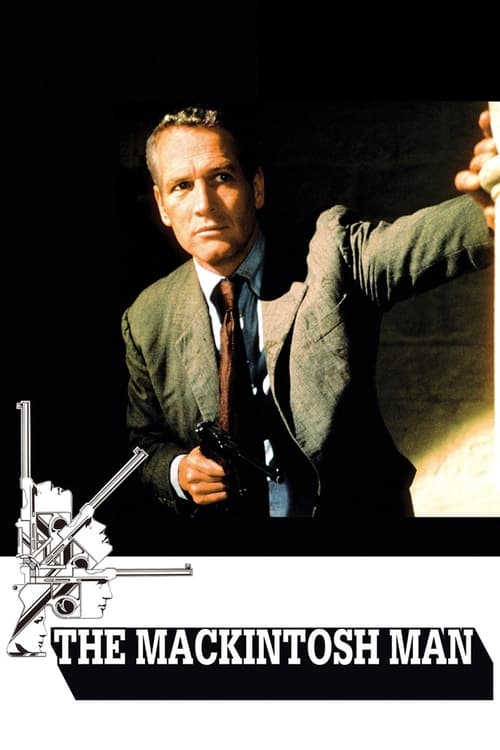
1973
No reviews yet. Be the first to share your thoughts on this movie!
Use the rating form above to leave a star rating and optional review.