
The Peacemaker
1997
No user ratings available yet
Representation score: 1.8 out of 10
Representation Score
Minimal
1987
RDirector
John Mackenzie
Runtime
119 minutes
Average Rating
No ratings yetNew Showbiz Analysis
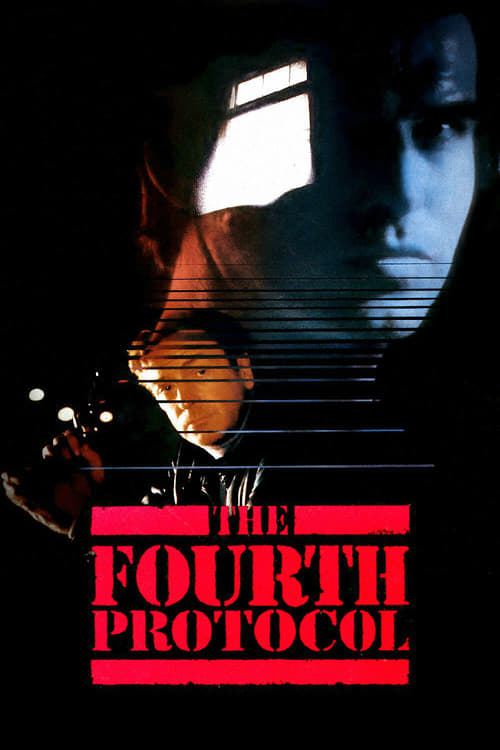
The Fourth Protocol is a quintessential Cold War thriller that prioritizes high-stakes tension and the preservation of state structures. Its narrative architecture is built upon established social and institutional hierarchies, offering a traditional view of mid-century espionage. While the film succeeds as a genre piece, it lacks intentionality regarding diverse social perspectives. The focus remains strictly on the mechanics of intelligence and national security, reinforcing the demographic and cultural status quo of the 1980s intelligence community.
Category Breakdown
The film focuses exclusively on geopolitical espionage and state security. It contains no characters or narratives that engage with LGBTQ+ identities.
Male characters dominate the intelligence hierarchies and hold positions of authority. Female characters play secondary or peripheral roles and do not drive the central plot.
The cast is predominantly white and Anglo-Saxon, reflecting the Cold War era's institutional demographics. There is a lack of meaningful non-white representation.
The story reinforces traditional Western institutions and national security as necessary forces. It does not offer critiques of capitalism or the Western global order.
There are no depictions of visible or invisible disabilities, neurodivergence, or chronic illness within the central character arcs.
Present on Screen
Limited or Absent
Official Synopsis
Led by Kim Philby, Plan Aurora is a plan that breaches the top-secret Fourth Protocol and turns the fears that shaped it into a living nightmare. A crack Soviet agent, placed under cover in a quiet English country town, begins to assemble a nuclear bomb, whilst an MI5 agent attempts to prevent its detonation.
1997
1965
1987

1965

2005

1977
1973
1969
No reviews yet. Be the first to share your thoughts on this movie!
Use the rating form above to leave a star rating and optional review.