
Spaceballs
1987
No user ratings available yet
Representation score: 4.3 out of 10

Representation Score
Fair
1996
PG-13Director
Jim Mallon
Runtime
73 minutes
Average Rating
No ratings yetNew Showbiz Analysis
The film functions as a postmodern exercise in media deconstruction rather than a study of demographic identity. While it fails to provide meaningful representation for LGBTQ+, racial, or disabled communities, it finds its voice through systemic critique. Its strength lies in challenging the 'expert' hierarchy and mocking the passive consumption of media. By framing scientific authorities as incompetent, the narrative subverts traditional power structures through absurdist comedy.
Category Breakdown
The film does not include explicit LGBTQ+ characters or romantic storylines. The main characters are mostly cisgender males, with a female-coded robot.
The cast is predominantly male, but the antagonist Pearl provides a strong counterpoint to the male leads. Gypsy, a female-coded robot, adds a non-human female perspective.
The cast is primarily white and lacks significant ethnic diversity. The story focuses on meta-fictional themes rather than exploring diverse racial identities.
The film excels at critiquing institutional authority and media consumption. It uses satire to deconstruct the sanctity of scientific hierarchies and traditional power structures.
There are no intentional portrayals of physical or neurodivergent disabilities. Psychological stress is used as a comedic plot device rather than a nuanced exploration.
Present on Screen
Limited or Absent
Official Synopsis
In the not-too-distant future, the evil Dr. Forrester forces a temp named Mike into a series of experiments, where he's forced to watch cheesy movies so the mad scientist can monitor his mind. However, as Mike can't control where the movies begin or end, he'll try to keep his sanity with the help of his robot friends.
1987

1974

1984

1981

1988

1993

2015
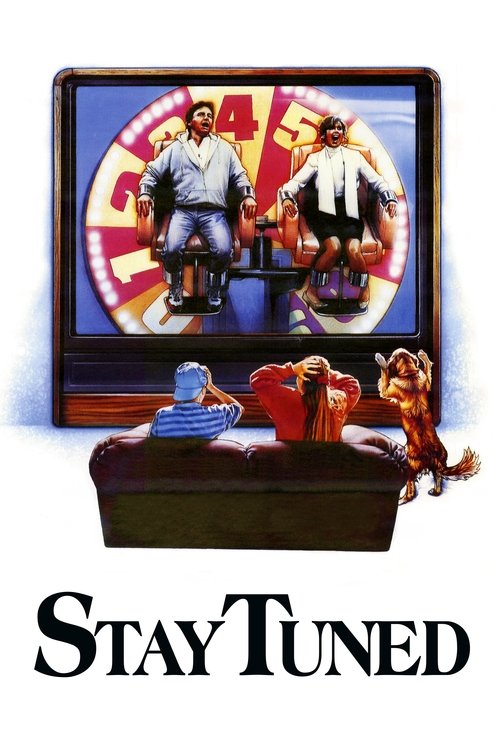
1992
No reviews yet. Be the first to share your thoughts on this movie!
Use the rating form above to leave a star rating and optional review.