
Emiliano Zapata
1970
No user ratings available yet
Representation score: 3.3 out of 10
Representation Score
Limited
1987
Director
Mario Hernández
Average Rating
No ratings yetNew Showbiz Analysis
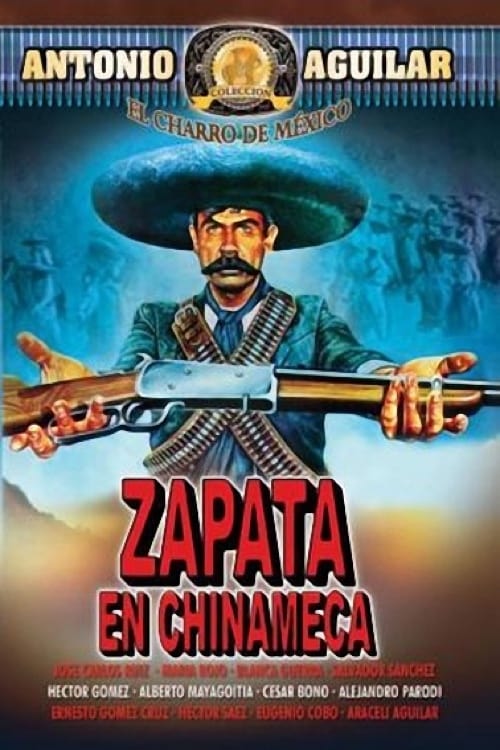
Zapata en Chinameca offers a compelling historical revision that challenges conventional state narratives. By emphasizing the role of the Mexican peasantry, the film counters Western-centric views of history and highlights the struggles of indigenous and mixed-race populations. While the film excels in providing authentic ethnic representation and a nuanced critique of capitalist land tenure, it remains constrained by traditional gender roles. The emphasis on male military leadership limits the involvement of female characters in the central political plot. Overall, the film effectively critiques systemic power dynamics, framing the fight for land rights as a necessary resistance against institutionalized oppression.
Category Breakdown
The film does not include any explicit LGBTQ+ characters or stories that challenge traditional sexual norms. The narrative focuses solely on the military and political aspects of the revolutionary period.
The story primarily revolves around male revolutionary figures and military leaders. Women are present but mostly in supporting roles, and they do not significantly influence the main political storyline.
The film successfully showcases authentic ethnic representation by featuring a Mexican cast to depict indigenous and mixed-race populations. It highlights the central role of the peasant class in the historical narrative.
The film delves into anti-capitalist and anti-colonial themes, criticizing the landed elite and presenting the Zapatista rebellion as a justified response to systemic oppression.
There is no significant depiction of visible or invisible disabilities in the film.
Present on Screen
Limited or Absent
Official Synopsis
Urbino Martínez, on his deathbed, regrets his wrongdoing after betraying Emiliano Zapata.
1970

1952

1973
1958
1977
1968

1974
1954
No reviews yet. Be the first to share your thoughts on this movie!
Use the rating form above to leave a star rating and optional review.